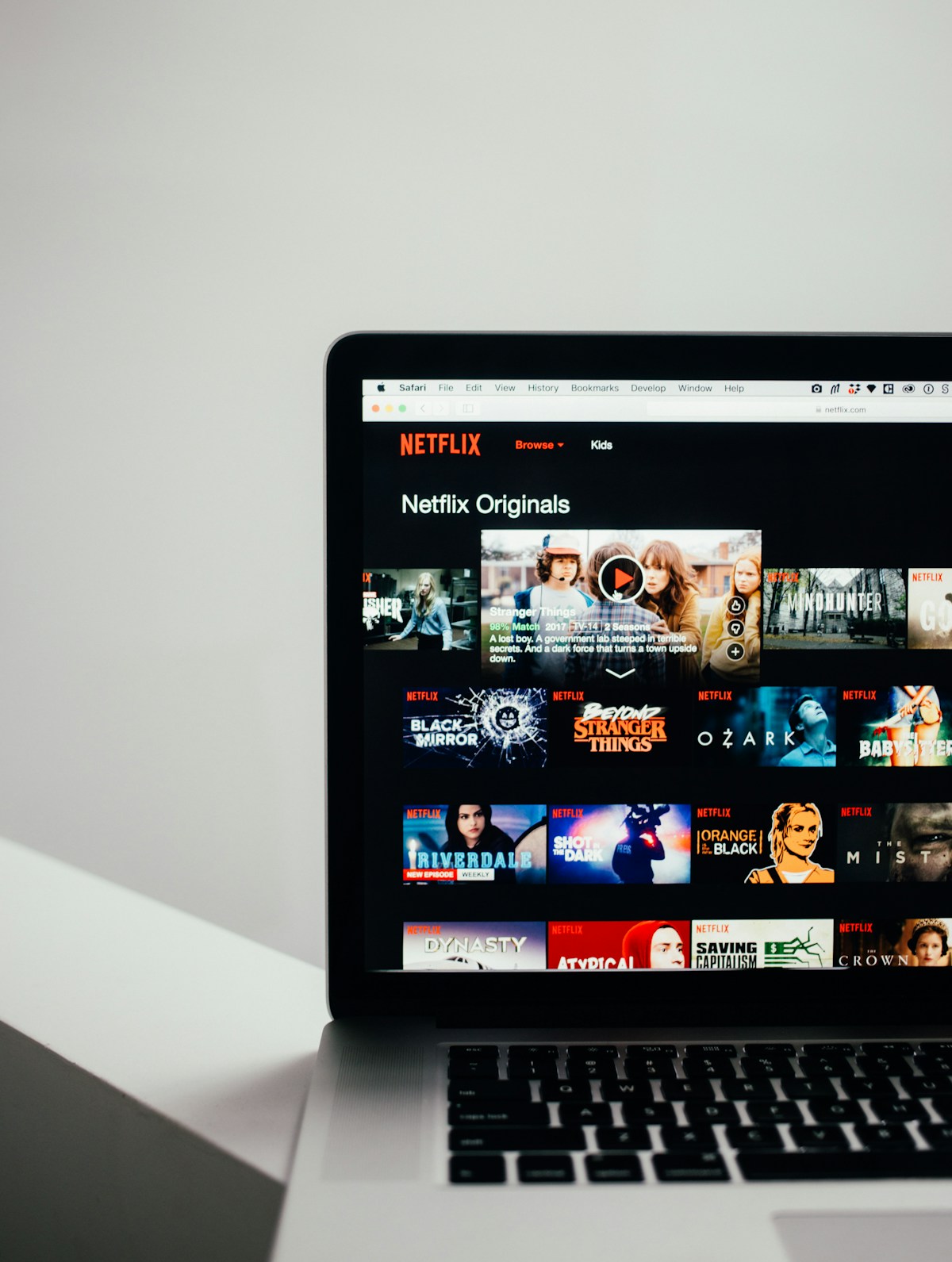
Gore Verbinski, the director behind Pirates of the Caribbean and Rango, has released a charming stop-motion short film thanking the handful of people who actually saw his latest movie, Good Luck, Have Fun, Don't Die, in theaters. It's sweet, personal, and also deeply depressing about the state of theatrical exhibition.The short, shared on Reddit, shows Verbinski hand-crafting a miniature thank-you note in his signature stop-motion style. It's the kind of gesture that feels genuinely heartfelt—and also like something a director only does when theatrical attendance was so disappointing that he can personally acknowledge every ticket buyer.Good Luck, Have Fun, Don't Die is Verbinski's passion project, a genre-bending experimental film that had limited theatrical release. By all accounts, almost nobody went. This isn't a quality issue—Verbinski is a legitimately talented filmmaker with a Best Animated Feature Oscar on his shelf. But even established directors can't draw crowds anymore unless they're making franchise IP.The theatrical collapse isn't new, but it's getting worse. Mid-budget adult-oriented films have been dying for a decade, squeezed between streaming convenience and superhero spectacles. What's changed is that even respected auteurs with proven track records can't get audiences to show up. Martin Scorsese makes Killers of the Flower Moon, and it barely breaks even. Ridley Scott makes Napoleon, and it's gone in three weeks.Verbinski is in an interesting spot because he's straddled both worlds. He directed one of the most successful franchises ever (Pirates) but also weird passion projects like A Cure for Wellness and Rango. He knows how to make crowd-pleasers and challenging cinema. The fact that he can't get people into theaters for the latter says everything about where we are.The stop-motion thank-you is vintage Verbinski—tactile, handcrafted, the opposite of algorithm-generated content. It's also a reminder that filmmakers still care about theatrical exhibition even when audiences have largely moved on. There's something romantic and futile about making art for a disappearing medium.Part of the problem is distribution. Limited releases in major cities don't work when ticket prices are $20 and parking is a nightmare. Streaming has trained audiences to wait, and unless a film generates overwhelming buzz, there's no urgency to see it in theaters. never stood a chance.But the bigger issue is that theatrical has become a binary: massive event films or nothing. There's no middle tier anymore. No room for interesting mid-budget films from talented directors exploring new ideas. Those movies get dumped on streaming, where they disappear into the algorithmic void within weeks.In , nobody knows anything—except me, occasionally. And here's what I know: When a director of 's caliber has to make a stop-motion thank-you card for the dozen people who saw his film theatrically, the theatrical model is broken beyond repair. We've traded communal cinema for infinite content, and we're all poorer for it.
|