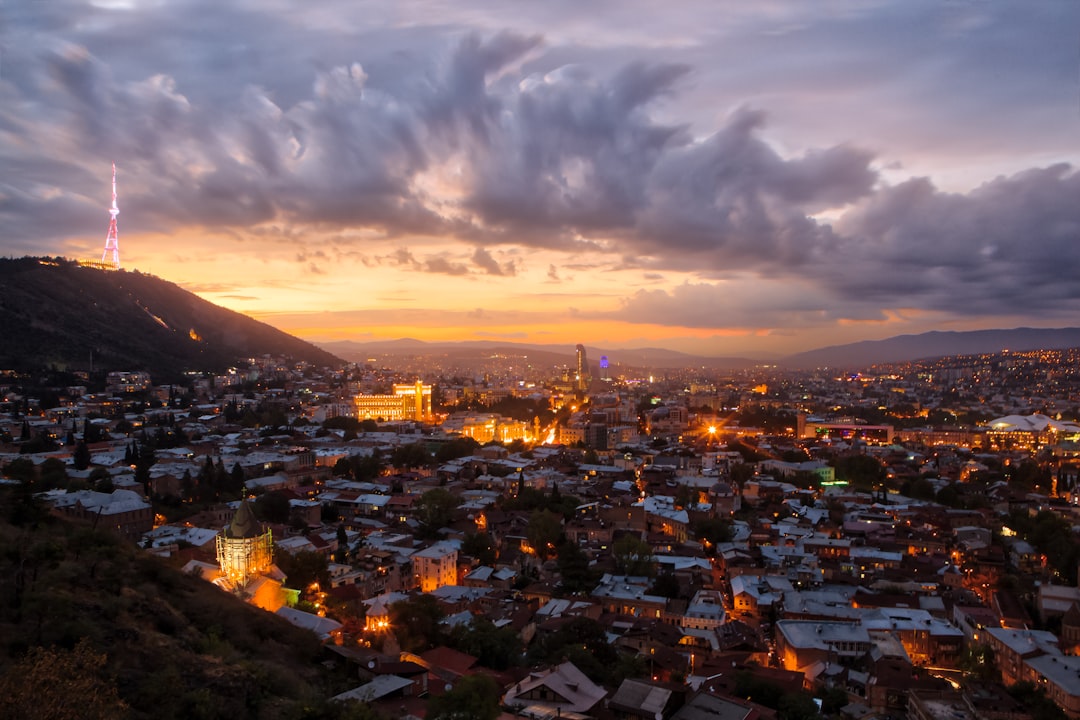
Georgia has been a rising star in budget travel circles and digital nomad communities over the past several years, with Tbilisi earning a reputation for affordable living costs, rich culture, and welcoming locals. But ongoing protests and political tensions in 2026 have travelers questioning whether the destination remains safe—and the answer requires separating media coverage from on-the-ground reality.
The country has experienced periodic protests concentrated in central Tbilisi, particularly around government buildings and main squares. For travelers, the key question is how much this actually affects daily life and tourism activities.
Based on traveler reports and local sources, the protests have generally been contained to specific areas and specific times, primarily evening demonstrations. Tourists staying in neighborhoods away from government districts and avoiding protest areas during active demonstrations typically experience minimal disruption to their plans.
However, this doesn't mean travelers should ignore the situation. Political instability creates legitimate concerns: potential for protests to escalate, possible service disruptions, and the general uncertainty that comes with being in a country experiencing internal tensions. Travel insurance that covers political unrest becomes more important, not less.
The U.S. State Department and other foreign ministries maintain updated travel advisories for Georgia that travelers should consult before booking. These advisories distinguish between general travel safety and specific areas or situations requiring extra caution.
For digital nomads who were considering Tbilisi for extended stays, the calculation is different than for short-term tourists. Living in a place for weeks or months during political uncertainty requires more consideration of how situations might evolve, not just current conditions.
The broader issue this raises is one of travel planning in an increasingly volatile world. Destinations that were stable and welcoming can experience rapid changes in political climate. Having contingency plans—flexibility in bookings, travel insurance with adequate coverage, awareness of exit routes—becomes more important when visiting countries experiencing political tensions.
For those who do travel to , practical steps include: staying informed through local news sources, registering with your embassy, avoiding protest areas, maintaining copies of important documents, and having backup plans if situations change quickly.