Straddling the boundary between Europe and Asia, Georgia is capturing the attention of travelers seeking something genuinely different from the well-worn paths of Western Europe.
The country sits at one of geography's most debated boundaries. The towering Caucasus Mountains - Europe's highest - mark a clear physical divide, with the south falling into Asia. Culturally, however, Georgia leans European while maintaining its own distinct identity through the unique Kartvelian language family, unlike the surrounding Turkic and Indo-European languages. EU flags fly throughout Tbilisi despite the country not being an EU member, reflecting strong public support for eventual membership.
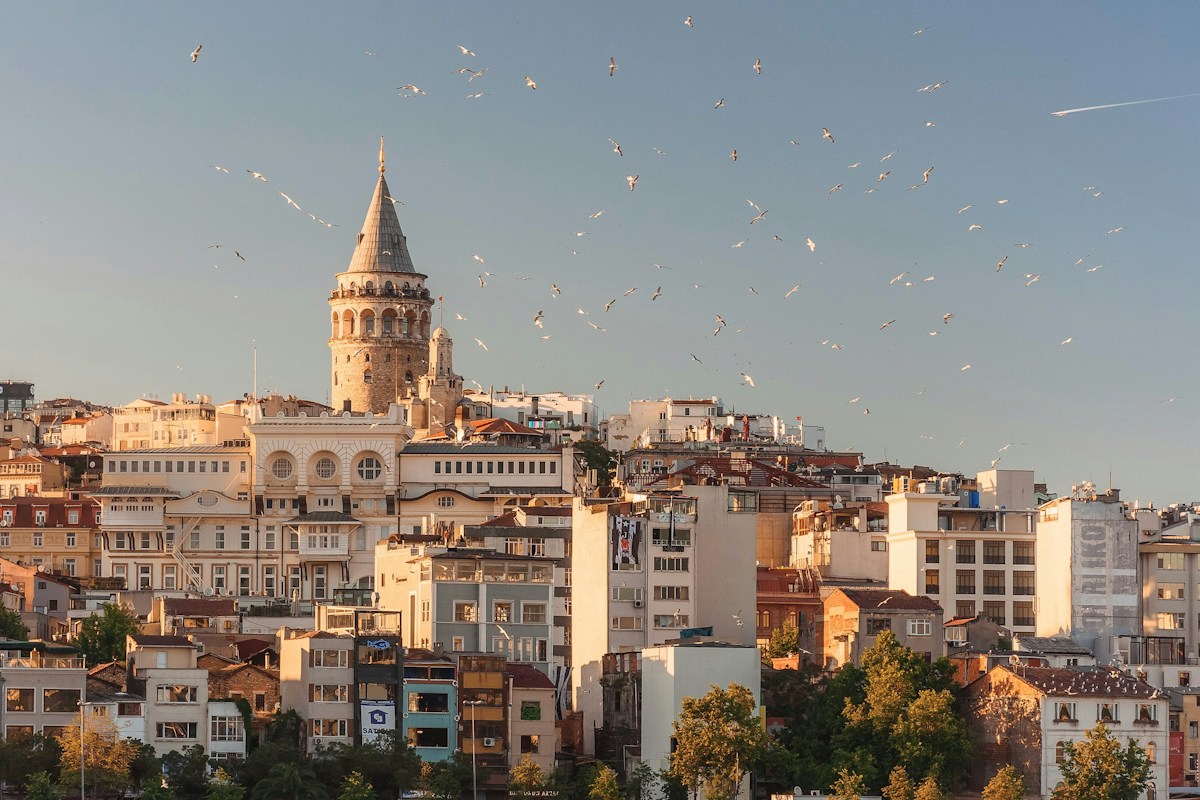
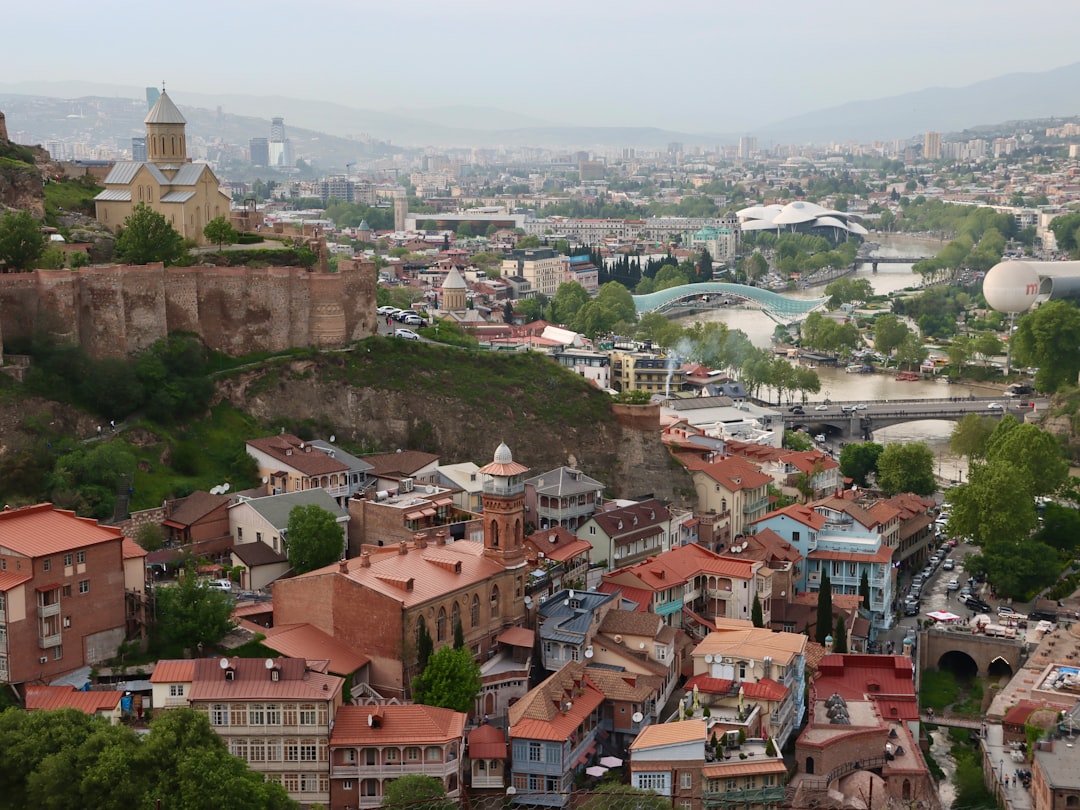
A recent traveler who spent 10 days exploring Tbilisi and surrounding regions described it as "one of the most unique cities I've visited." The capital showcases an architectural timeline from medieval Georgian cross-dome churches through Soviet brutalism to modern experimental designs. The city's hilly geography creates dynamic cityscapes similar to Lisbon or Istanbul.
Georgia's public transportation system stands out, particularly the metro system. Built during the height of the Cold War, the stations descend deep underground - they were designed to double as nuclear bunkers, a sobering reminder of geopolitical tensions.
Day trips from Tbilisi offer exceptional variety. Mtskheta, one of the world's oldest cities, tops many travelers' lists. Kazbegi features spectacular Caucasus Mountain views, while Kakheti claims to be the world's oldest wine region. More whimsical destinations include Gori, birthplace of Stalin, where visitors can buy Stalin souvenirs, and , known as the