Australia could face fuel rationing within weeks if the Iran conflict continues to disrupt global oil supplies, energy experts have warned, exposing the country's minimal strategic reserves and heavy dependence on Middle Eastern imports.
According to the ABC, Australia maintains one of the developed world's lowest fuel reserve levels, leaving it uniquely vulnerable to supply chain disruptions from conflicts thousands of kilometers away.
Mate, this is the strategic complacency chickens coming home to roost. For decades, energy security experts have warned that Australia keeps bugger-all fuel in reserve compared to international standards. The government's response has been to shrug and hope nothing goes wrong. Well, something's gone wrong.
The International Energy Agency recommends member countries maintain 90 days of net oil imports in strategic reserves. Australia has consistently fallen short of this target, relying instead on the assumption that global supply chains would remain stable and that fuel would always be available to purchase when needed.
That assumption is now being tested as conflict in the Persian Gulf threatens shipping through the Strait of Hormuz, through which roughly 20% of global oil supply passes. Any prolonged closure of the strait could see Australian reserves depleted in a matter of weeks, not months.
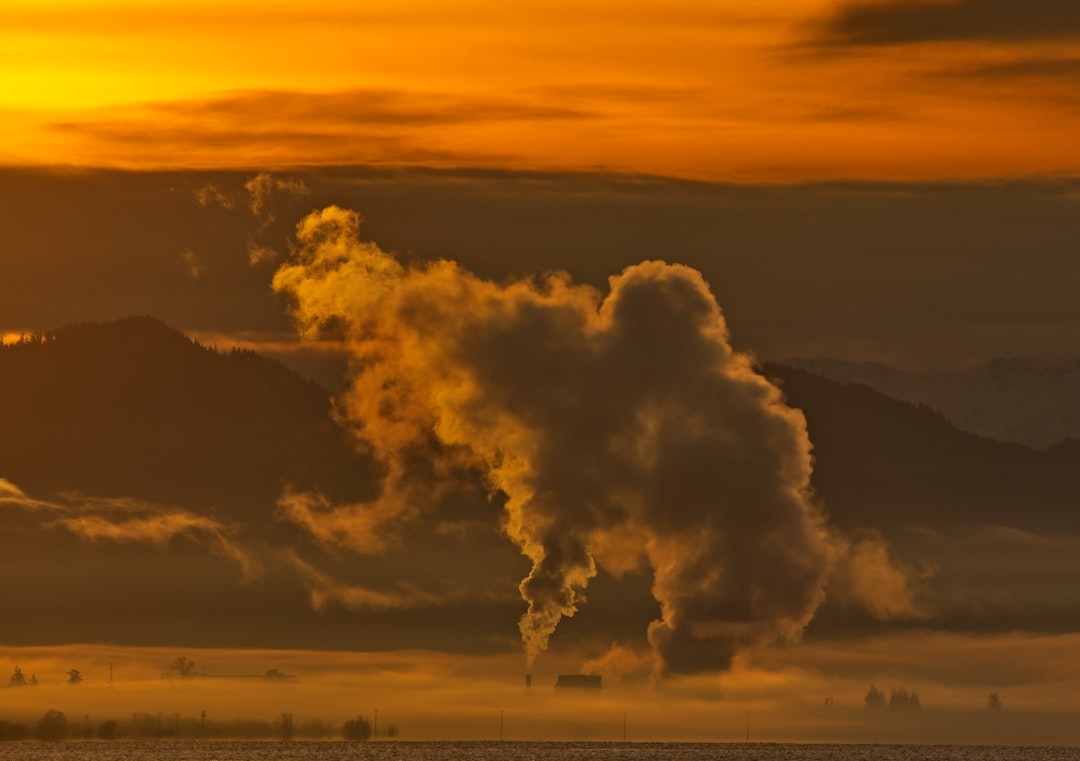
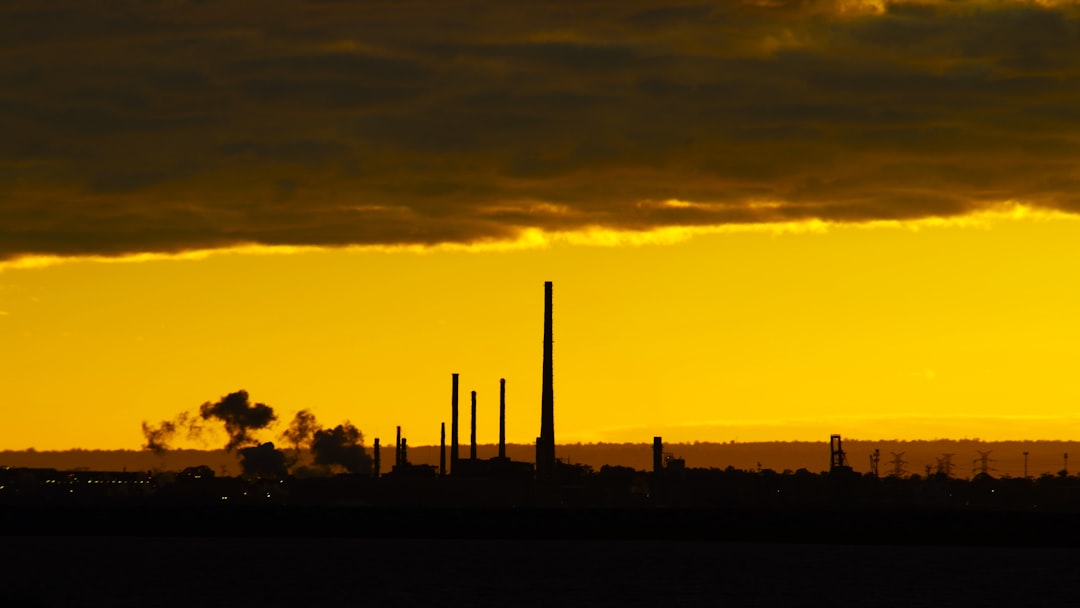
The timing couldn't be worse. Australia has limited domestic refining capacity after years of closures, meaning the country is almost entirely dependent on imported refined fuel. Even if crude oil remains available, converting it to usable petrol and diesel requires infrastructure Australia largely lacks.
Fuel rationing could mean restrictions on non-essential travel, priority allocation to essential services like healthcare and emergency response, and potential economic disruption as businesses struggle with transportation costs and availability.