Electric vehicle inquiries have surged across Australia as petrol prices climb above $3 per litre in some areas, with dealerships reporting unprecedented interest from previously skeptical buyers.
The Iran war is achieving what years of emissions targets couldn't - making Australians seriously consider EVs. Nothing like $3.50 petrol to make people go green, mate. Climate policy couldn't shift Australian attitudes, but empty wallets can.
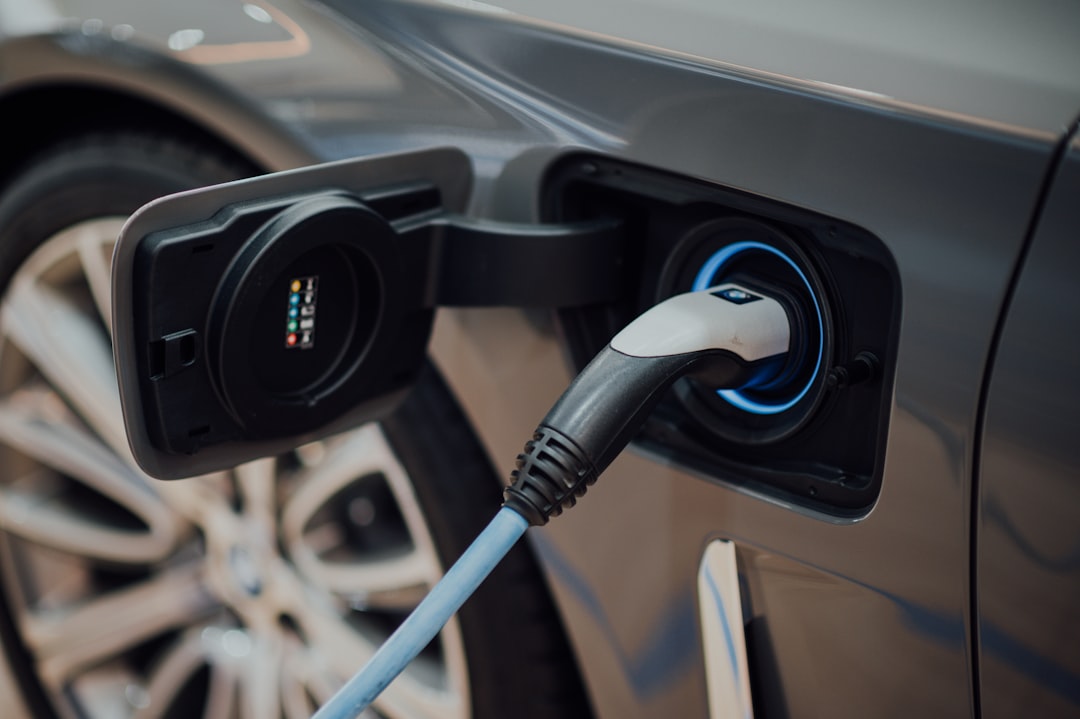
Dealerships report that customers who dismissed EVs as expensive toys for environmentalists are now running cost comparisons and asking about charging infrastructure. The shift is purely economic, not environmental - they're not worried about carbon emissions, they're worried about fuel costs.
One Sydney dealer told the ABC that inquiries have tripled in the past week, with many customers specifically citing fuel price anxiety as their motivation. "They're asking how much it costs to charge, how far they can drive, whether they can install home charging," the dealer said. "Six months ago, these same customers were telling me EVs were a scam."
This is the accidental energy transition - driven by geopolitics, not environmental concern. The Iran war has disrupted fuel supplies, pushed prices higher, and suddenly made the economics of EV ownership competitive with internal combustion engines. What carbon taxes and emissions targets couldn't achieve, petrol at $3+ per litre is accomplishing overnight.
The irony is rich. Australia has some of the lowest EV adoption rates in the developed world, partly because successive governments have resisted strong climate policies. Now a war in the Middle East is forcing the transition anyway, just through market forces rather than regulation.
But this surge in interest doesn't automatically translate to sales. EVs still have higher upfront costs, charging infrastructure remains patchy outside major cities, and many Australians can't install home chargers. Interest is one thing, actual purchase is another.
The bigger question is whether this interest persists if fuel prices stabilize. If the war ends and petrol drops back to $2 per litre, will these potential buyers still choose EVs? Or is this a temporary panic response that evaporates when the immediate crisis passes?