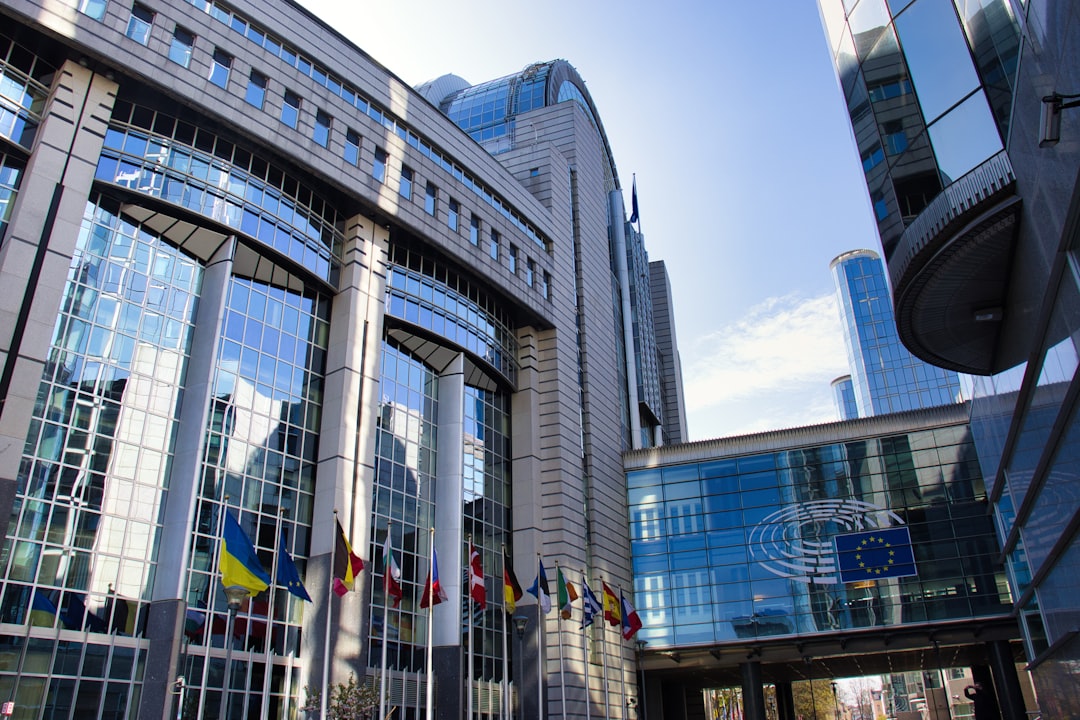
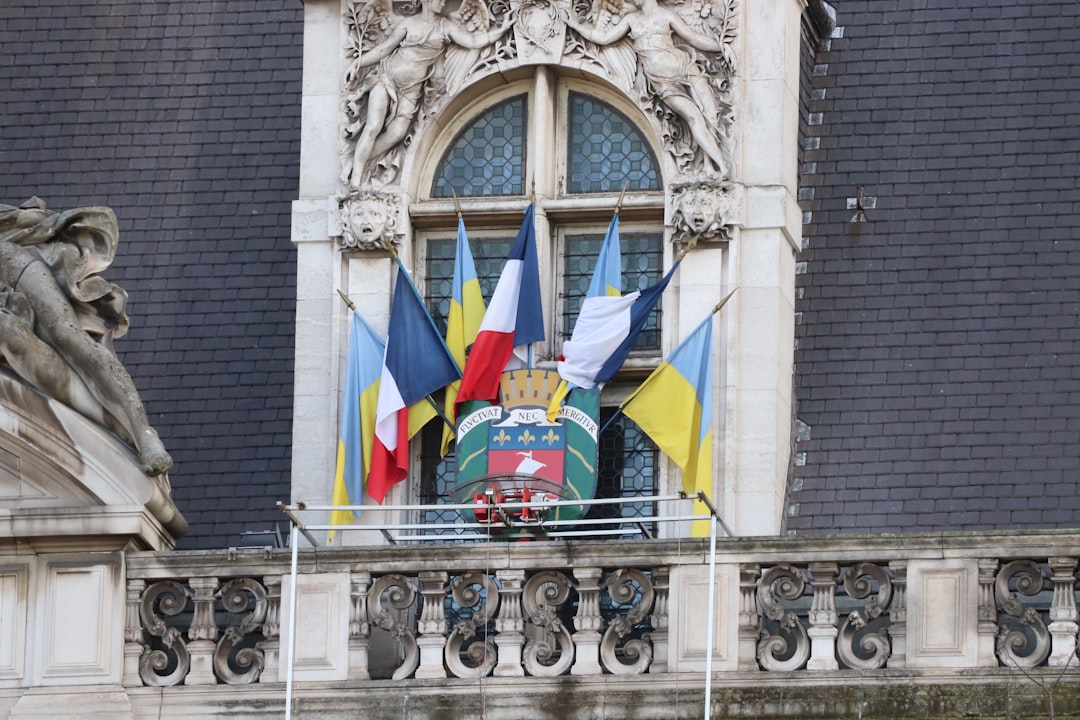
France's Socialist Party has achieved significant victories in mayoral elections across major urban centers, while Marine Le Pen's far-right Rassemblement National failed to secure the metropolitan breakthroughs that would have positioned the party as the dominant force ahead of the 2027 presidential election.
The results from Sunday's municipal contests reveal a deepening urban-rural political divide that will shape French politics for years to come, with the left consolidating control of cities while the far-right strengthens its position in smaller towns and rural areas.
In Paris, Socialist candidate Emmanuel Grégoire secured a decisive victory, capturing 52 percent of the vote in the second round and ensuring the capital remains under left-wing governance. The result represents a significant defeat for centrist forces aligned with former President Emmanuel Macron, whose political movement has struggled to maintain relevance since his departure from office.
"This victory belongs to Parisians who chose a progressive vision for their city," Grégoire told supporters Sunday evening. "It is a rejection of both the far-right's divisive rhetoric and the failures of neoliberal centrism."
The Socialist Party also held Marseille, Lyon, Toulouse, Nantes, and Bordeaux—France's largest cities outside the capital. The sweep of major urban centers provides the left with crucial organizational infrastructure and political legitimacy as it seeks to rebuild after years of electoral decline at the national level.
To understand today's headlines, we must look at yesterday's decisions. The Socialist Party's dominance of French cities was not inevitable. It reflects years of grassroots organizing around housing affordability, public transportation, and climate policy—issues that resonate in dense urban environments but struggle to gain traction in rural .