
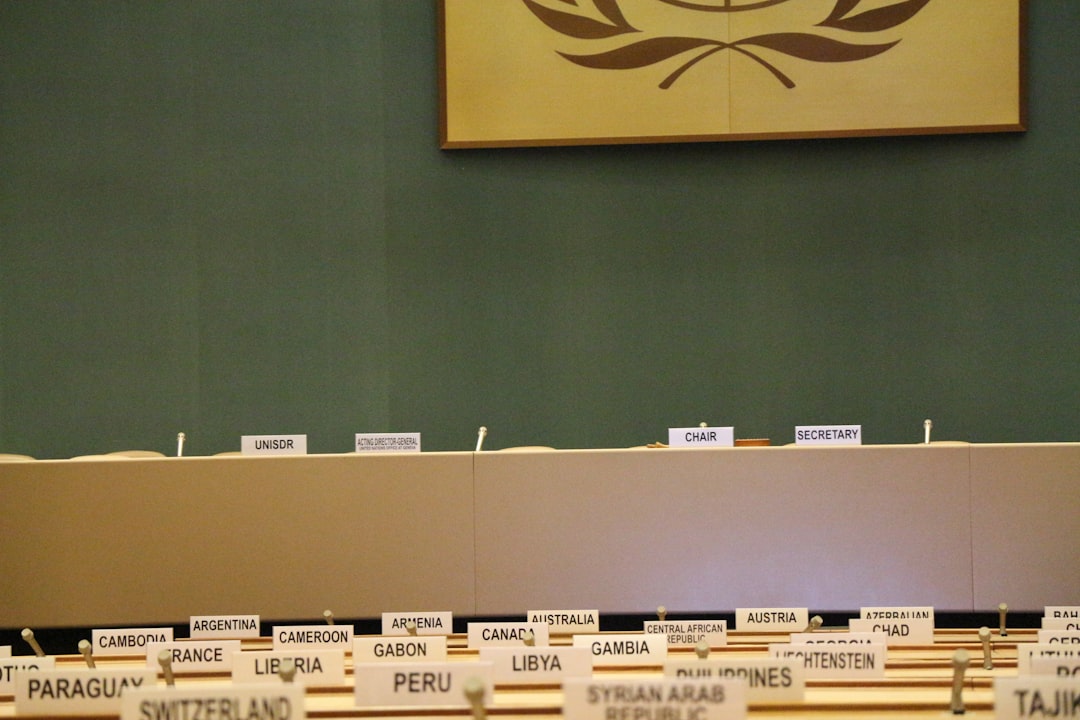
France publicly rebuked Serbia at the United Nations Security Council this week, declaring it "unacceptable" that perpetrators of the September 2023 armed attack in Banjska, northern Kosovo, remain free more than two and a half years after the incident that left one police officer dead and threatened renewed conflict in the volatile region.
French Ambassador Jérôme Bonafon used unusually direct language during discussions of the latest UNMIK operations report, demanding that those responsible face justice and emphasizing Belgrade's responsibility in ensuring accountability. The statement reflects mounting Western frustration with Serbia's handling of the aftermath of the attack, which saw heavily armed paramilitaries storm a monastery complex before engaging in a prolonged gun battle with Kosovo police.
In the Balkans, as across post-conflict regions, the path forward requires acknowledging the past without being imprisoned by it. Yet the Banjska case demonstrates how unresolved questions of justice continue to poison relations between Belgrade and Pristina, complicating both countries' aspirations for European integration.
The September 24, 2023 attack involved a coordinated assault by armed men who blockaded roads with trucks, engaged police in combat, and barricaded themselves in the Serbian Orthodox monastery. Kosovo authorities identified participants and alleged organizational links to Serbia, claims that Belgrade has consistently denied. While some suspects were detained in Kosovo, Pristina has repeatedly accused Serbia of harboring other perpetrators.
Ambassador Bonafon framed the justice question within the broader context of EU-mediated normalization efforts, noting that both Belgrade and Pristina have "a European future" contingent on demonstrating commitment to peace, rule of law, and democratic consolidation. He specifically referenced recent progress on implementing Kosovo's Law on Foreigners with involvement of Serbian minority representatives, suggesting that technical cooperation remains possible even as fundamental disputes persist.
The French position carries particular weight given Paris's role in the EU enlargement process and its historical influence in Balkan affairs. For Serbia, which has positioned EU accession as a strategic priority while maintaining close ties with Russia and refusing to recognize Kosovo's independence, the rebuke represents another reminder that Brussels increasingly conditions progress on demonstrable commitment to regional stability.
The timing of the statement is significant. With Ukraine dominating European security concerns and enlargement debates intensifying, Western patience for frozen conflicts and selective justice in candidate countries has demonstrably thinned. France, along with other EU members, has made clear that aspirant nations must meet standards on rule of law and regional cooperation, not merely profess commitment to them.
For ordinary citizens across the region, the Banjska attack and its unresolved aftermath represent precisely the kind of incident that reinforces cycles of distrust and grievance. Serbian communities in northern Kosovo cite security concerns and lack of integration into Pristina's institutions. Albanian-majority Kosovo points to attacks like Banjska as evidence that Serbia has not abandoned destabilization efforts.
Ambassador Bonafon urged continued Security Council support for UNMIK's engagement in monitoring dialogue implementation, acknowledging that resolution of conflicts stemming from Yugoslavia's dissolution requires sustained international involvement alongside regional commitment. The statement serves as recognition that technical progress on documents and minorities, while valuable, cannot substitute for accountability on violence.
The path toward genuine normalization between Serbia and Kosovo has never depended solely on agreements signed in Brussels. It requires demonstrating that violence carries consequences, that justice transcends political convenience, and that both societies can build futures not defined by their traumatic past. France's intervention at the Security Council signals that the international community, whatever its limitations, has not forgotten Banjska—and expects Belgrade to remember as well.