
In a revelation that recontextualizes a 12-season run, Bones creator Hart Hanson says Fox forced him to write serial killer storylines he never wanted—raising questions about creative control that feel freshly relevant in the streaming era.
Hanson wanted a procedural about forensic anthropology. Fox wanted The Silence of the Lambs stretched across multiple seasons. The network won, giving us Gormogon, the Gravedigger, Pelant, and other recurring villains that dominated Bones' mythology.
The compromise produced a hit show that ran for 246 episodes. But Hanson's admission—made during a recent podcast interview—suggests the creative tension never fully resolved. He made the show Fox wanted while trying to preserve the show he imagined, and the result was... successful, if not exactly what anyone planned.
This is how network television worked for decades. Creators pitched ideas, networks bought them, then networks changed them. Writers' rooms became battlegrounds between artistic vision and commercial imperatives. Sometimes the friction improved the show (The X-Files mythology episodes were network mandates). More often, it diluted it.
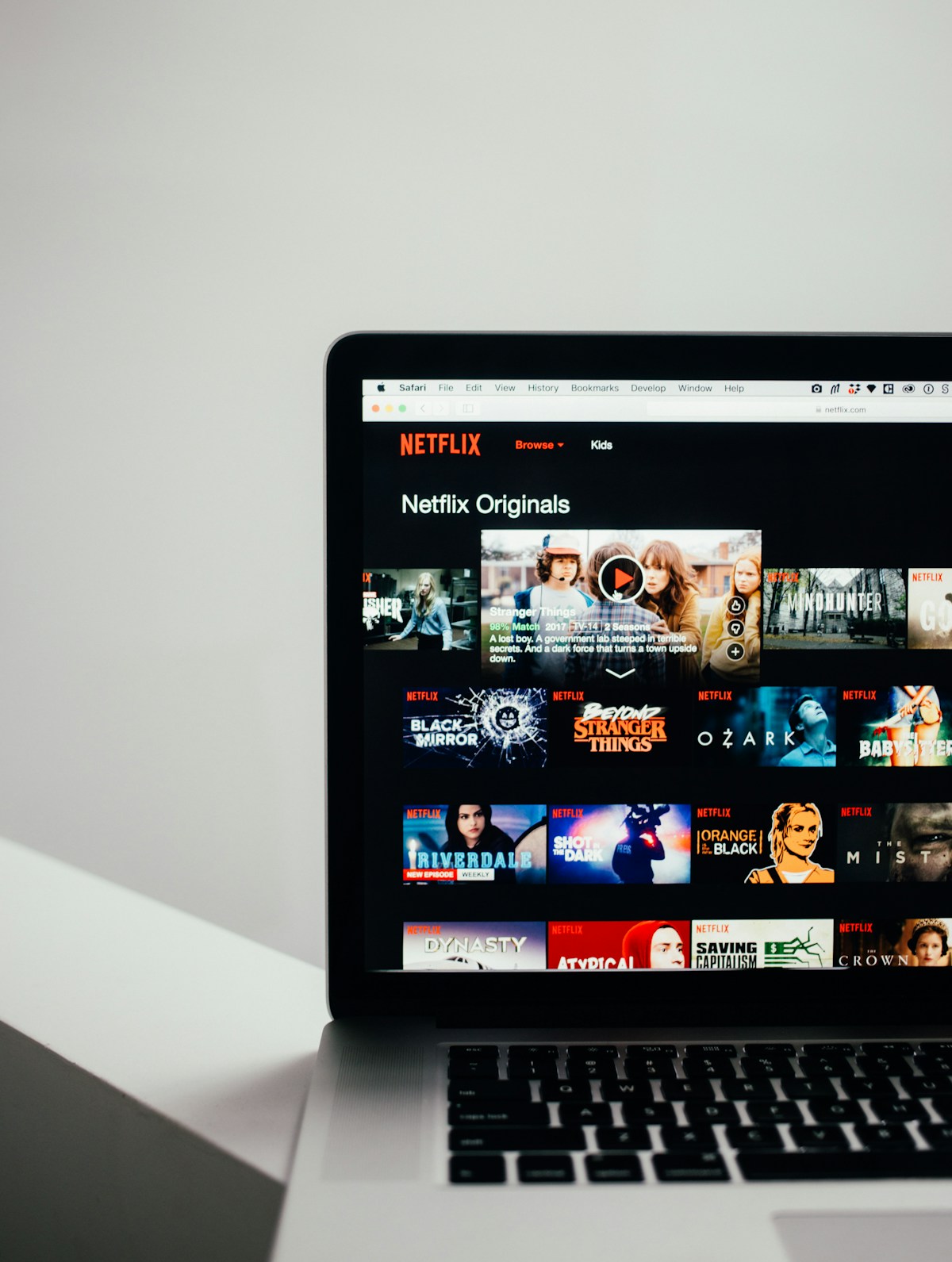
Has streaming actually freed creators, or just swapped one overlord for another? Netflix doesn't demand serial killers, but it does demand algorithms-friendly pacing and internationally translatable concepts. Apple TV+ wants prestige. Amazon wants scale. Every platform has its own creative mandates, just dressed up as "notes" instead of orders.
Hanson's story about Bones matters because it reveals what we lose when corporate interests override creative ones. The serial killer plots weren't bad—some were compelling—but they weren't the show Hanson wanted to make. They were the show Fox needed to sell to advertisers.
And it worked. Bones thrived in syndication, generating hundreds of millions in revenue. Fox's instincts were commercially correct. But and are different things, and we'll never know what could have been if had full control.