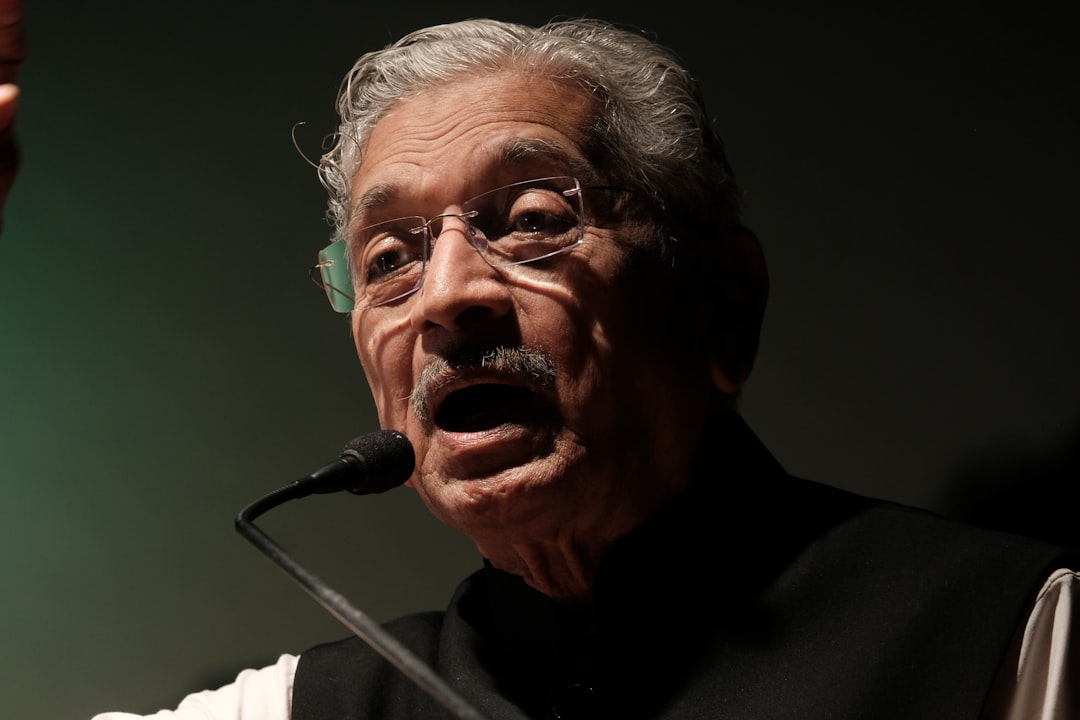

Mirza Kutuzai, a former deputy in Afghanistan's House of Representatives, was arrested in Washington, D.C. on charges of money laundering for the Taliban, according to reports from Afghan journalists and sources familiar with the investigation.
Kutuzai stands accused of transferring massive amounts of Taliban gold and illegal funds to Abu Dhabi, Uzbekistan, and several other countries while maintaining close ties to Sirajuddin Haqqani, the Taliban's interior minister and head of the designated terrorist Haqqani network. The arrest was first reported by Afghan journalist Mujibullah Karim on social media.
The case exposes the corruption networks that hollowed out Afghanistan's former republic and helps explain why the U.S.-backed government collapsed so rapidly in August 2021. While serving as a member of parliament, Kutuzai allegedly maintained financial relationships with the very insurgents the government claimed to be fighting.
Kutuzai had entered the United States in early November using a Special Immigrant Visa (SIV) issued by the U.S. Embassy in Abu Dhabi over the summer. The visa was valid until November, and he arrived before its expiration. His arrest comes amid heightened scrutiny of Afghan SIV holders following an attack by an Afghan citizen, Rahmanullah Lakanwal, on the U.S. National Guard earlier this year.
Following that incident, President Donald Trump issued an executive order halting acceptance of Afghan refugees and calling for re-examination of all their green cards. The administration has since increased pressure for deportations and enhanced vetting of Afghan nationals who arrived during and after the 2021 U.S. withdrawal.
"These are the people that led to the collapse of the republic," wrote one Afghan analyst in response to news of the arrest. "They don't believe in anything besides dollars. They will put on a tie one day and the lungi the next day if it benefits them."
The allegations reveal how Afghanistan's political elite operated across ideological lines when financial gain was involved. Many former officials who publicly championed democratic values privately maintained relationships with Taliban commanders and facilitated financial transfers that sustained the insurgency even as American taxpayers spent over $2 trillion on the war effort.
In Afghanistan, as across conflict zones, the story is ultimately about ordinary people navigating extraordinary circumstances. While elites like Kutuzai allegedly moved gold and cash across borders, ordinary Afghans paid the price—fighting and dying for a government that many of its own leaders had already betrayed.
The investigation into Kutuzai's financial networks could shed light on how the Taliban finances its operations internationally, including sanctions evasion and the movement of assets seized after the takeover of Kabul. U.S. authorities are reportedly examining his connections to Sirajuddin Haqqani, who remains on the FBI's most wanted list with a $10 million bounty despite serving as Afghanistan's interior minister.
The Haqqani network, based in Pakistan's tribal areas, has been responsible for some of the deadliest attacks during the twenty-year war, including the 2008 bombing of the Indian embassy in Kabul that killed 58 people and the 2011 attack on the U.S. Embassy and NATO headquarters. Despite international designations as terrorists, Haqqani network members now hold senior positions in the Taliban government.
For many Afghans who worked with coalition forces and now live in the United States on SIVs, the Kutuzai case reinforces painful questions about who was truly committed to the democratic project in Afghanistan and who was simply exploiting it for personal enrichment. The SIV program was designed to protect Afghans who risked their lives supporting American efforts, not to provide refuge for those allegedly financing the enemy.
The U.S. Department of Justice has not yet released formal charges, but sources indicate the investigation spans multiple jurisdictions and involves significant financial institutions. If convicted, Kutuzai could face decades in federal prison for money laundering and material support to a designated terrorist organization.
The case also raises questions about vetting procedures for Afghan evacuees. Thousands of Afghans were processed rapidly during the chaotic August 2021 evacuation, and concerns have been raised about whether individuals with questionable backgrounds or connections to extremist groups may have been granted entry.
For ordinary Afghans still living under Taliban rule, news of elite corruption offers little comfort. The country faces one of the world's worst humanitarian crises, with millions experiencing food insecurity and economic collapse. International aid has been severely restricted due to Taliban governance policies, particularly the systematic exclusion of women from public life, education, and employment.