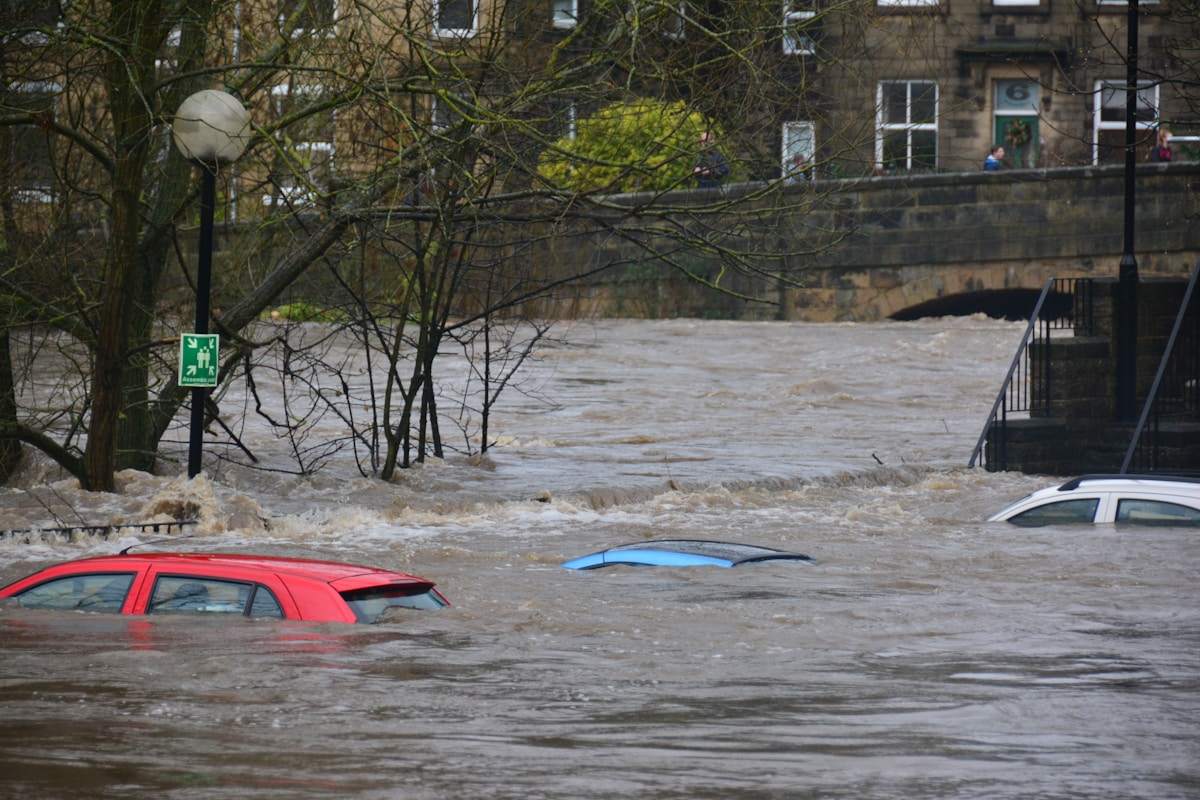
Rescue teams worked through May 8 to evacuate residents trapped by severe flooding in South Africa's Kouga region of the Eastern Cape, where heavy rainfall and overflowing dams caused the Gamtoos River to inundate surrounding communities—a disaster that exposes persistent vulnerabilities rooted in infrastructure decay and historical inequality.
Emergency responders rescued some residents while others remained trapped as floodwaters continued rising at the Gamtoos River mouth. The crisis has significantly damaged infrastructure in an area where service delivery challenges already strain communities' resilience to extreme weather events.
The flooding follows patterns increasingly familiar across South Africa, where climate change intensifies rainfall while aging municipal infrastructure fails to protect vulnerable populations. In the Eastern Cape—one of the country's poorest provinces—drainage systems often reflect apartheid-era neglect of historically marginalized areas. Wealthier districts typically receive better maintenance and flood mitigation, while impoverished communities face repeated devastation.
Kouga municipality has struggled with water management for years, paradoxically experiencing both severe droughts and destructive floods as climate variability increases. Dam levels swing wildly, and when heavy rains arrive, inadequate drainage and poorly maintained spillways can transform life-giving water into a threat.
In South Africa, as across post-conflict societies, the journey from apartheid to true equality requires generations—and constant vigilance. Natural disasters reveal how service delivery failures compound historical injustice. The communities most vulnerable to flooding are often those denied infrastructure investment for decades under apartheid, and municipal capacity constraints mean remedies arrive slowly if at all.
As rescue operations continue, the flooding in Kouga underscores an urgent reality: climate adaptation in South Africa cannot be separated from addressing inequality. Without investment in resilient infrastructure for historically disadvantaged areas, extreme weather will continue to exact its heaviest toll on those least able to bear it.