Nagorno-Karabakh, the mountainous territory at the center of one of the South Caucasus's longest conflicts, has quietly reopened to foreign visitors more than a year after Azerbaijan reasserted control over the disputed region.
A travel report circulating on social media describes what appears to be among the first international tourism visits to the territory since Azerbaijan's September 2023 military operation ended three decades of de facto Armenian control. The account, posted to both Armenian and Azerbaijani online communities, offers a rare glimpse into the post-conflict transformation of a region that witnessed the exodus of virtually its entire ethnic Armenian population.
The visitor's observations reveal a landscape in transition. Historical Armenian sites remain physically intact but stripped of their cultural context, while Azerbaijani authorities have moved swiftly to establish tourism infrastructure in areas that until recently were completely closed to outsiders. The report describes newly constructed visitor facilities and government-organized tours emphasizing the region's natural beauty and Azerbaijani heritage.
The opening to tourism represents Baku's latest effort to normalize control over the territory, which it refers to as Karabakh and officially considers an integral part of Azerbaijan. For Armenia, the development underscores the permanence of a demographic transformation that saw more than 100,000 ethnic Armenians flee the region in September 2023.
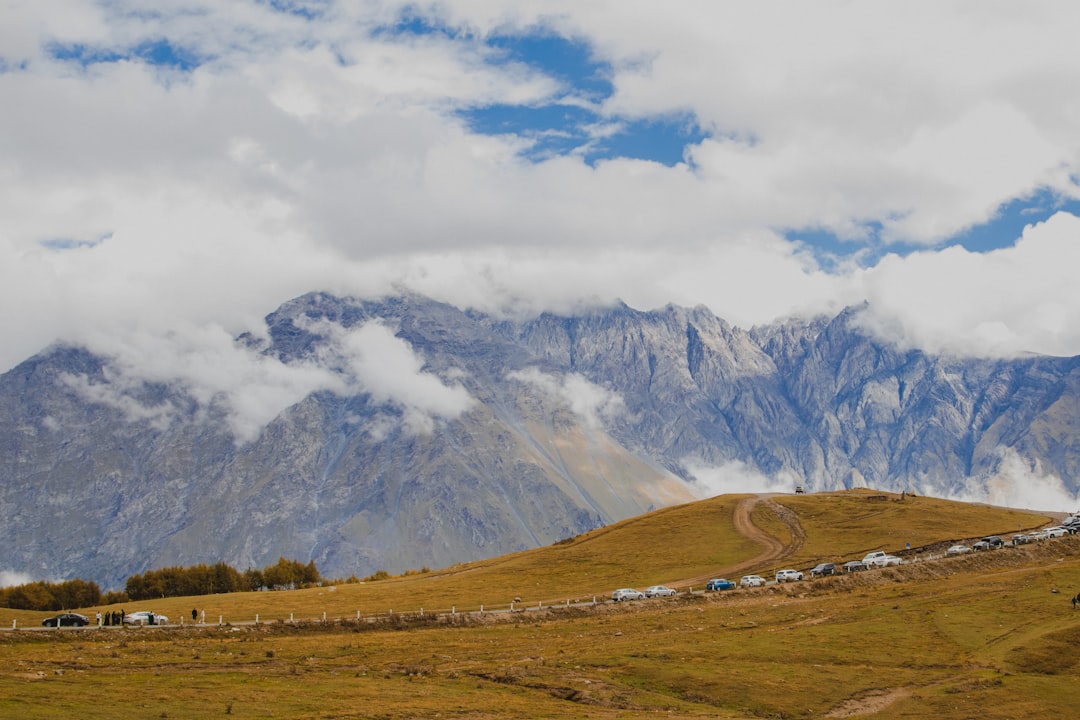
"In the Caucasus, as across mountainous borderlands, ancient identities and modern geopolitics create intricate patterns of conflict and cooperation," regional analysts note. The Nagorno-Karabakh conflict's resolution through military means rather than negotiation has fundamentally altered the region's demographic and political landscape.
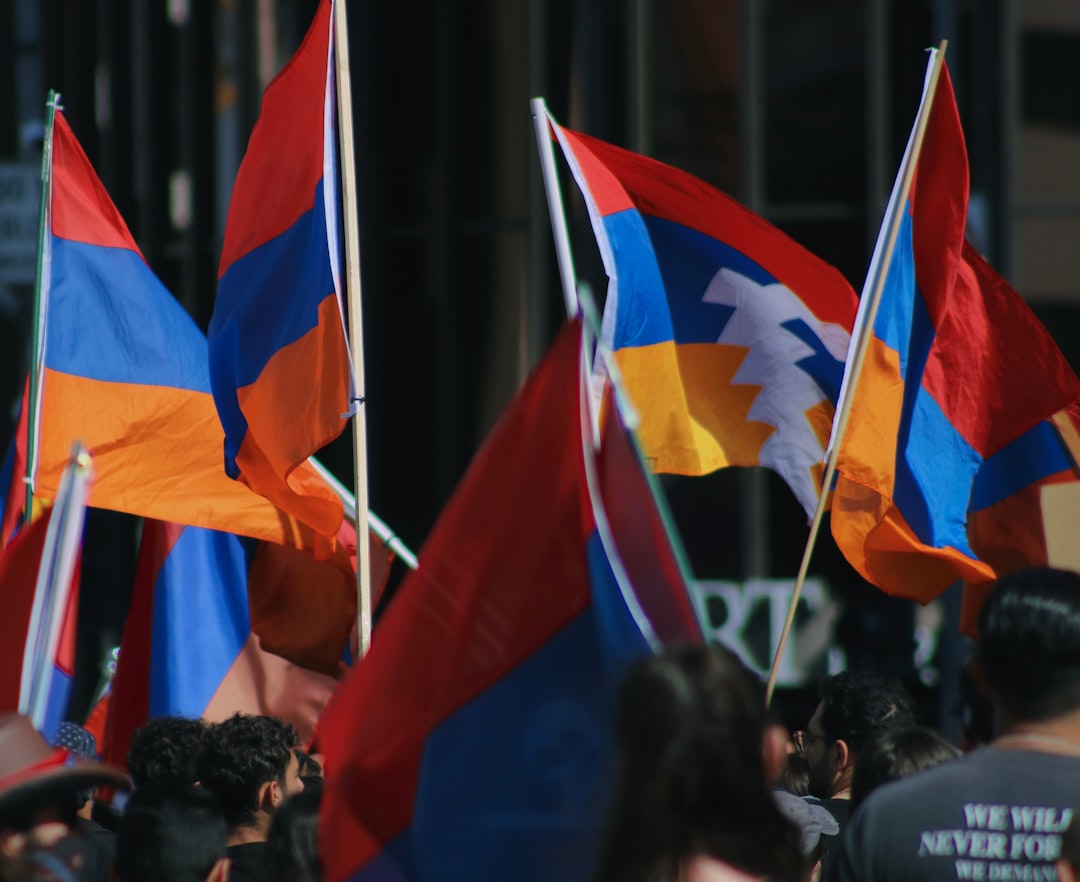
The fact that the travel report appeared simultaneously on both Armenian and Azerbaijani discussion forums—receiving sharply different reactions—illustrates the profound emotional weight the territory continues to carry for both nations. For Armenians, the account represents painful evidence of lost ancestral lands now rebranded for international consumption. For Azerbaijanis, it signals the restoration of territorial integrity and the beginning of economic development in previously inaccessible regions.
International observers have raised concerns about the fate of Armenian cultural and religious heritage sites in areas now under Azerbaijani control. While Baku has pledged to preserve historical monuments, the absence of the Armenian communities that maintained these sites for centuries raises questions about their long-term preservation.
The tourism initiative also carries geopolitical significance. Azerbaijan's moves to establish facts on the ground through development and settlement follow a pattern seen in other post-conflict territories, making any future territorial concessions increasingly difficult. The rapid opening to tourism, while economically motivated, also serves to demonstrate Azerbaijani sovereignty and normalize international recognition of its control.
For Armenia, already reeling from its military defeat and subsequent loss of the territory, the emergence of tourism to Nagorno-Karabakh represents another psychological blow. The transformation from a contested territory with deep Armenian historical connections into an Azerbaijani tourist destination marks a symbolic endpoint to Armenian claims that proved impossible to defend militarily or preserve diplomatically.
The conflict's resolution has broader implications for the Caucasus region, where Russia's diminished role as security guarantor and Turkey's increased influence have reshaped traditional power dynamics. Azerbaijan's ability to act decisively, backed by Turkish support, stands in contrast to Armenia's search for new security partnerships following the collapse of its Russian alliance.