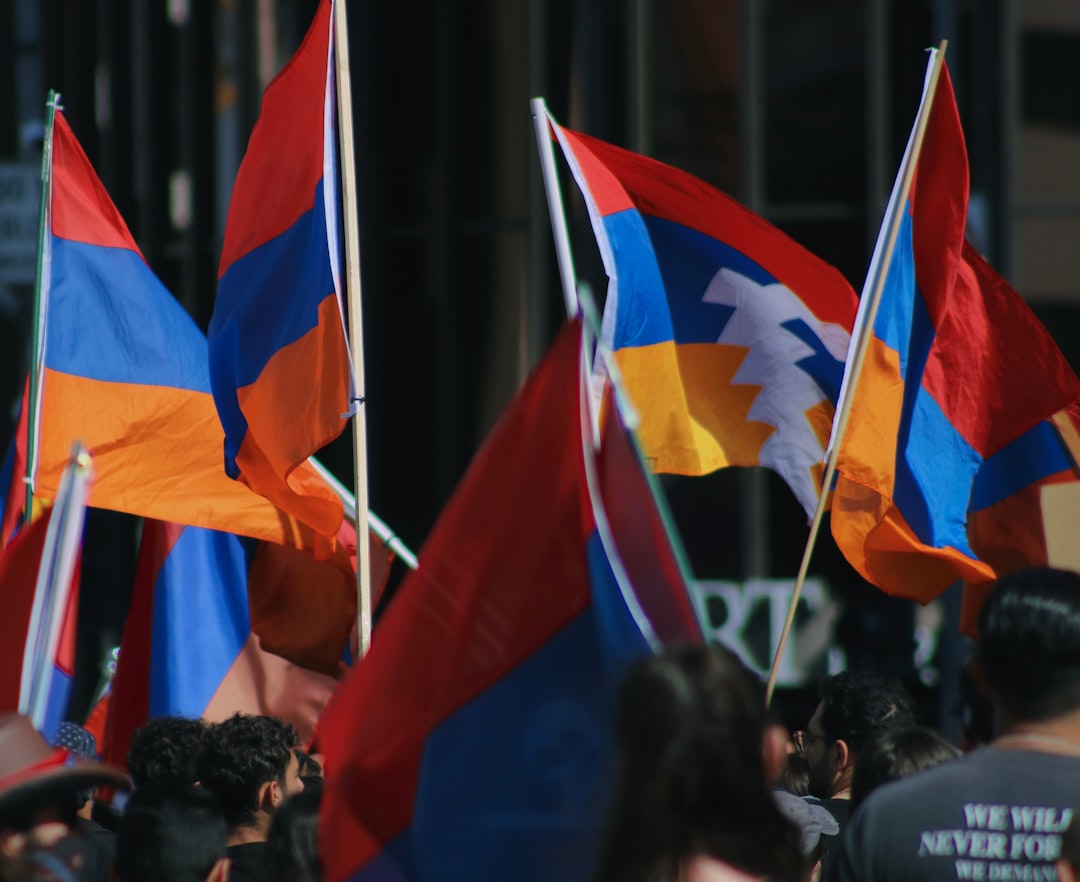
Armenia's pivot toward Europe is gaining momentum as discussions about potential European Union membership increasingly move from aspiration to serious policy consideration, marking a dramatic geopolitical shift for a country long embedded in Russia's sphere of influence.
Online discussions among Armenian citizens reflect growing enthusiasm for EU integration, with many viewing membership as both an economic opportunity and a security guarantee following Russia's failure to prevent Azerbaijan's seizure of Nagorno-Karabakh in 2023. The conversation represents a remarkable transformation for a nation that, until recently, relied heavily on Moscow for security through the Collective Security Treaty Organization.
The shift follows a series of deliberate moves by Prime Minister Nikol Pashinyan to distance Yerevan from Russia and strengthen ties with Western institutions. Armenia has expanded cooperation with NATO through partnership programs, hosted joint military exercises with the United States, and repeatedly criticized the CSTO for failing to provide security guarantees during its conflicts with Azerbaijan.
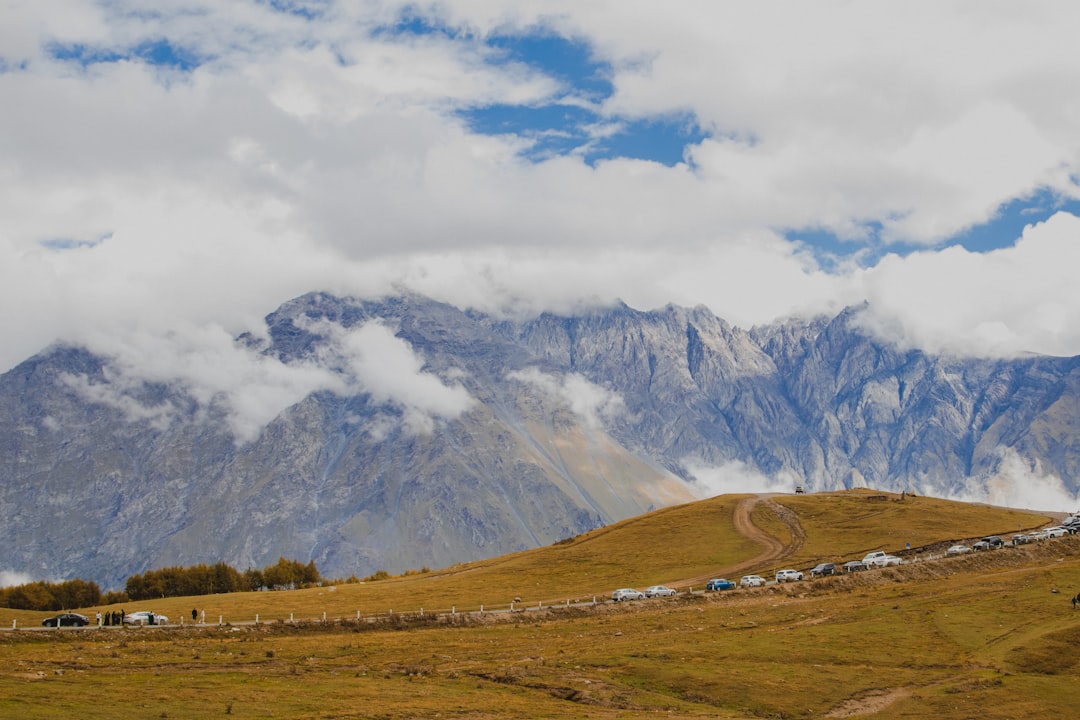
"In the Caucasus, as across mountainous borderlands, ancient identities and modern geopolitics create intricate patterns of conflict and cooperation," analysts observe. Armenia's western orientation challenges decades of regional dynamics shaped by Russian dominance and creates new opportunities for European engagement in the South Caucasus.
The path to EU membership faces substantial obstacles. Armenia lacks geographic contiguity with the EU, a challenge that would complicate integration even under the most favorable circumstances. The country's economy remains heavily dependent on remittances from the Russian diaspora and trade relationships developed during decades of alignment with Moscow. Additionally, Armenia's unresolved disputes with Azerbaijan and Turkey could complicate any membership bid.
Nevertheless, European officials have shown increasing openness to deepening engagement with Yerevan. The EU has expanded its civilian monitoring mission along the Armenian-Azerbaijani border and increased financial assistance for democratic and economic reforms. While falling short of membership promises, these steps signal European recognition of Armenia's strategic pivot and interest in supporting its western orientation.
The enthusiasm for EU membership reflects broader societal frustration with Russia's role in the region. Many Armenians view Moscow's failure to intervene during the 2020 Nagorno-Karabakh war and the 2023 Azerbaijani takeover as a fundamental betrayal of security commitments. The presence of Russian peacekeepers who proved unable or unwilling to prevent ethnic cleansing has further eroded trust in the alliance.
Russia has responded to Armenia's western drift with a mixture of economic pressure and political warnings. Moscow has reduced gas subsidies, increased scrutiny of Armenian exports, and deployed propaganda suggesting that Yerevan's pivot will leave it vulnerable to Turkish and Azerbaijani pressure. However, Russia's diminished credibility and preoccupation with Ukraine limit its ability to compel Armenian compliance.
The geopolitical implications extend beyond Armenia's bilateral relationships. A successful Armenian pivot to the West would represent a significant erosion of Russian influence in the Caucasus, potentially encouraging similar shifts in other post-Soviet states. It would also establish the EU's presence in a strategically significant region connecting Europe to Central Asia and the Middle East.
For Turkey, Armenia's western orientation presents both opportunities and challenges. While Ankara has shown interest in normalizing relations with Yerevan, historical animosities over the Armenian Genocide and Turkey's close alignment with Azerbaijan complicate potential reconciliation. An EU membership track for Armenia could either facilitate normalization through European mediation or exacerbate tensions if perceived as threatening Turkish and Azerbaijani interests.
The practical timeline for potential EU membership remains uncertain. Even under optimistic scenarios, the process would take years or decades, requiring substantial economic reforms, institutional development, and resolution of regional conflicts. However, the very seriousness of the discussion marks a historic shift in Armenian foreign policy orientation and regional geopolitical alignment.
For ordinary Armenians, EU membership represents hope for economic opportunity, political stability, and security after years of conflict and uncertainty. Whether that hope translates into actual membership will depend on European political will, Armenian reform capacity, and the complex interplay of regional powers whose interests in the Caucasus remain deeply entrenched.