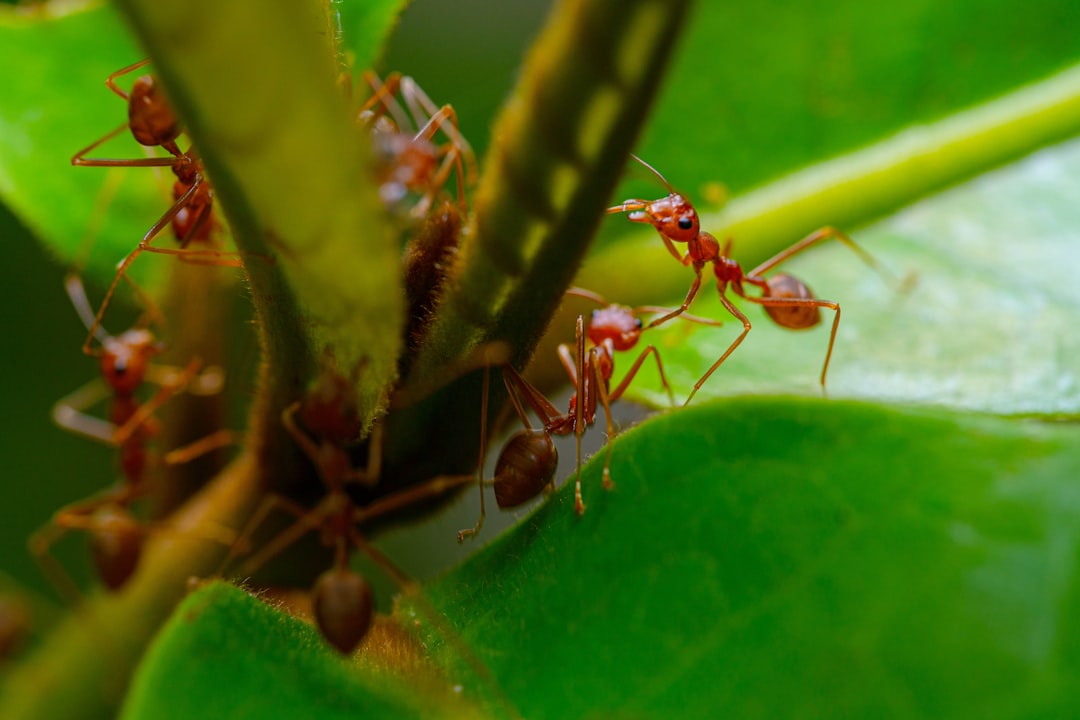
Red imported fire ants have been discovered in Queensland's Gondwana Rainforests World Heritage area for the first time, marking a dangerous expansion of one of Australia's worst invasive species that could devastate native wildlife.
The discovery, reported by The Independent, represents a biosecurity failure with massive ecological and economic stakes. Fire ants cost billions in the United States. If they establish in World Heritage rainforest, eradication becomes nearly impossible.
Mate, this is about protecting ecosystems that took millions of years to evolve from an invasive species that can destroy them in decades. Once fire ants establish in dense rainforest, you can't eradicate them. They're there permanently.
Red imported fire ants are among the world's most destructive invasive species. They form massive colonies, attack native wildlife, cause agricultural damage, and deliver painful stings to humans. They're environmental engineers in the worst sense - they reshape ecosystems to favor themselves.
The Gondwana Rainforests are UNESCO World Heritage listed for their exceptional biodiversity and evolutionary significance. They contain species found nowhere else on earth and ecosystems that date back millions of years. Fire ants could devastate ground-nesting birds, small mammals, and invertebrates.
The discovery raises serious questions about Australia's biosecurity systems. Fire ants were first detected in Brisbane in 2001. Since then, authorities have spent hundreds of millions trying to contain them. Now they've reached World Heritage rainforest, suggesting containment has failed.
Biosecurity experts have warned for years that fire ants were spreading faster than eradication efforts. The rainforest detection confirms those warnings. If ants have reached protected wilderness areas, they've likely spread through undetected agricultural and urban areas too.
The economic stakes are enormous. United States experience shows fire ants cost billions annually in agricultural damage, property impacts, and medical treatment. has been lucky to avoid that so far, but luck is running out.