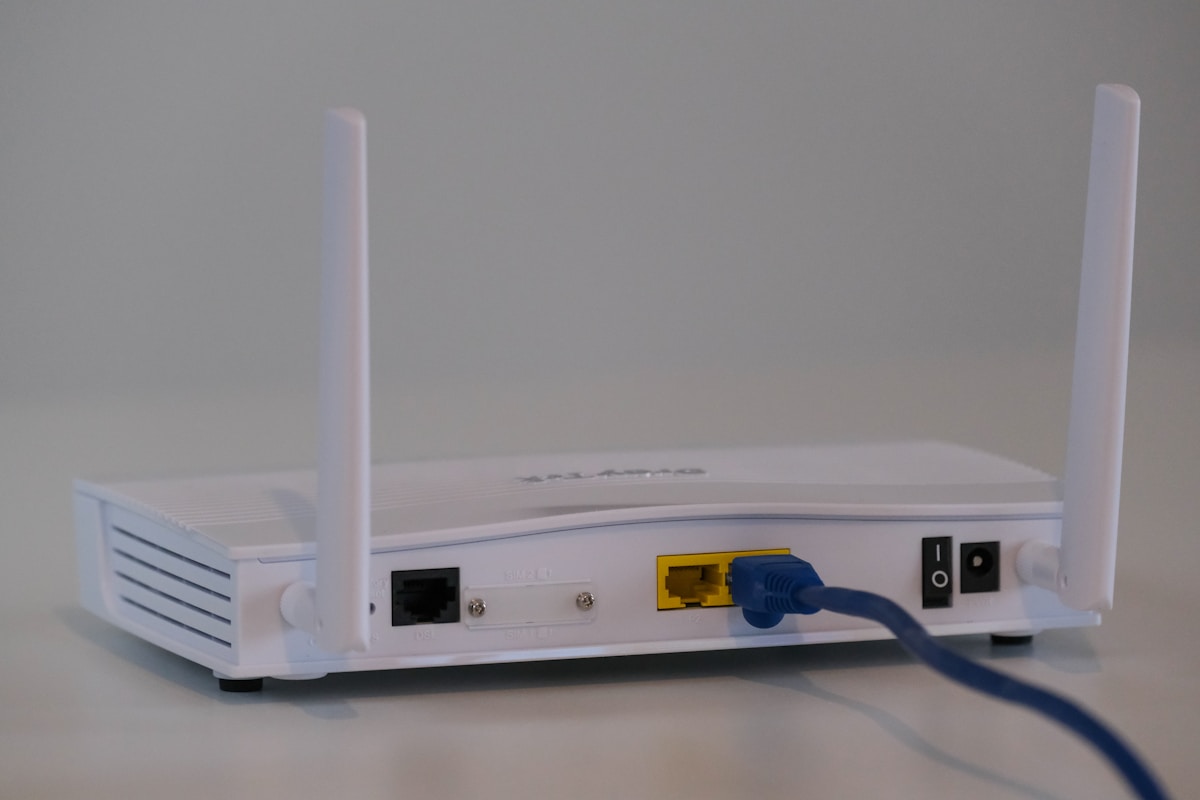
The FCC just pulled the trigger on one of the most aggressive protectionist moves in consumer tech history. As of this week, no new Wi-Fi router models manufactured outside the United States can be sold in the country. If you're using an Asus, TP-Link, Netgear, or pretty much any other router, it was likely made overseas. That supply chain just hit a wall.
The official reasoning is national security. The FCC says foreign-manufactured networking equipment could contain backdoors or vulnerabilities that put American networks at risk. That's not entirely paranoid - we've seen legitimate concerns about Chinese-made telecom equipment. But this isn't just about China. This ban covers routers made anywhere outside US borders.
Here's the problem nobody's talking about: domestic manufacturing capacity doesn't exist at scale. The vast majority of consumer networking hardware is produced in Taiwan, China, Vietnam, and other Asian manufacturing hubs. There are essentially zero high-volume router production facilities in the United States right now.
So what happens next? Either companies scramble to build US factories - which takes years and massive capital investment - or the router market grinds to a halt. Existing inventory can still be sold, but once that's gone, shelves stay empty until domestic production ramps up. One Reddit commenter nailed it: "Hope you like whatever router you have now, because you might be stuck with it for a while."
The technology is impressive - modern Wi-Fi 6E and Wi-Fi 7 routers are marvels of engineering. The question is whether anyone can actually build them here fast enough to meet demand. If not, this ban doesn't make America more secure. It just makes Americans pay more for older hardware while the rest of the world moves on.