New Zealand's roadside drug testing kits have a manufacturer-reported false positive rate of 5%, meaning one in 20 sober drivers could test positive on the spot despite having no drugs in their system. While convictions require blood analysis, critics argue the precision is inadequate for population-wide screening.
The testing kits have a sensitivity (true positive) of 97% and a specificity (true negative) of 95%, according to manufacturer data. In practical terms: if police test 1,000 sober drivers, approximately 50 will test positive for drugs at the roadside with all that entails, despite being completely clean.
Mate, here's what that means. A roadside positive result doesn't lead to immediate conviction — that requires blood analysis. But you're still walking home. You potentially have a police record of the stop even if the blood test clears you. And try explaining that flag in a background check during a job interview.
"That's what 95% specificity means," one commenter noted after researching the kits. "The data I used here is from the manufacturer, so is likely 'best case'. In the USA they've found where a manufacturer quoted 4% false positive, real world was anywhere from 11-30%."
The American experience is instructive. Court cases in the United States have revealed significant gaps between manufacturer claims and field performance. Environmental factors, improper storage, user error, and cross-reactivity with legal substances all contribute to higher false positive rates in practice than in controlled testing.
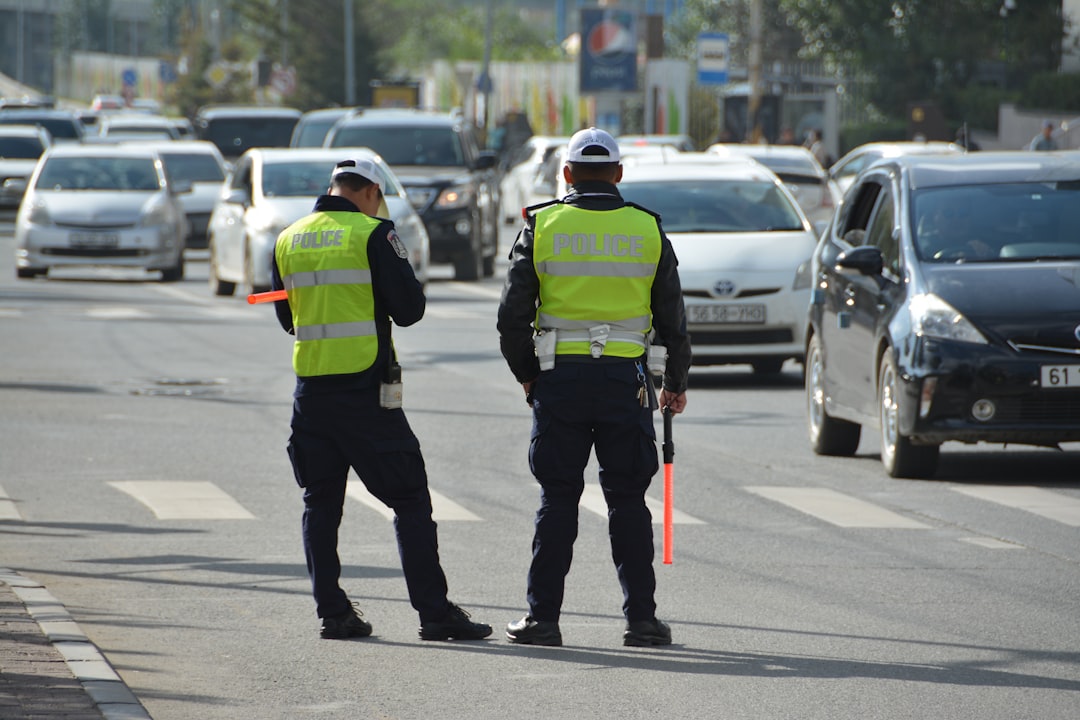
For New Zealand, this raises a fundamental question about how these tests should be deployed. Used as confirmation after a driver fails basic sobriety tests — the "place one foot in front of the other" kind — the kits might be appropriate. You're not screening the general population; you're confirming suspicion of impairment.
But using them for random roadside screening, where any driver can be tested without prior indication of impairment, creates a different calculus. Population-wide screening with a 5% false positive rate means thousands of innocent drivers face consequences.
The distinction matters in medical practice, and it should matter in law enforcement. Doctors are careful about what tests to use for population screening versus symptomatic patients. A test that's fine for confirming diagnosis in someone showing symptoms might be entirely inappropriate for screening healthy populations.
Anyone who's tested positive at the roadside likely has it added to their police record, even if subsequent blood analysis clears them. New Zealand doesn't have the same expungement processes as some jurisdictions, meaning that record could persist.
Employers conducting background checks may see the initial stop without necessarily seeing the cleared blood test. Even with explanations, the stigma of a drug-related police interaction can affect employment, particularly in sectors requiring security clearances or working with vulnerable populations.
The policy justification is straightforward: impaired driving kills people, and drug testing helps remove impaired drivers from the road. No one disputes that drug-impaired driving is dangerous or that enforcement is necessary.
But enforcement tools must be proportionate. Would New Zealand accept a breathalyzer with a 5% false positive rate? One that wrongly tagged 50 out of every 1,000 sober drivers as drunk? The answer is almost certainly no — so why accept it for drug testing?
Online commenters suggested restricting use to post-impairment screening rather than random stops. Test drivers who fail sobriety checks, show erratic driving, or are involved in accidents. Don't test random drivers at checkpoints where the base rate of impairment is low and false positives will outnumber true positives.
The manufacturer's specifications note potential ambiguity about whether the 95% specificity applies uniformly across all tested drugs or varies by substance. If it's less precise for substances other than THC, the false positive problem could be worse than advertised.
This isn't an argument against drug testing. It's an argument for using appropriate tools appropriately. A 5% false positive rate might be acceptable in some contexts. Population-wide screening of drivers who show no signs of impairment probably isn't one of them.