
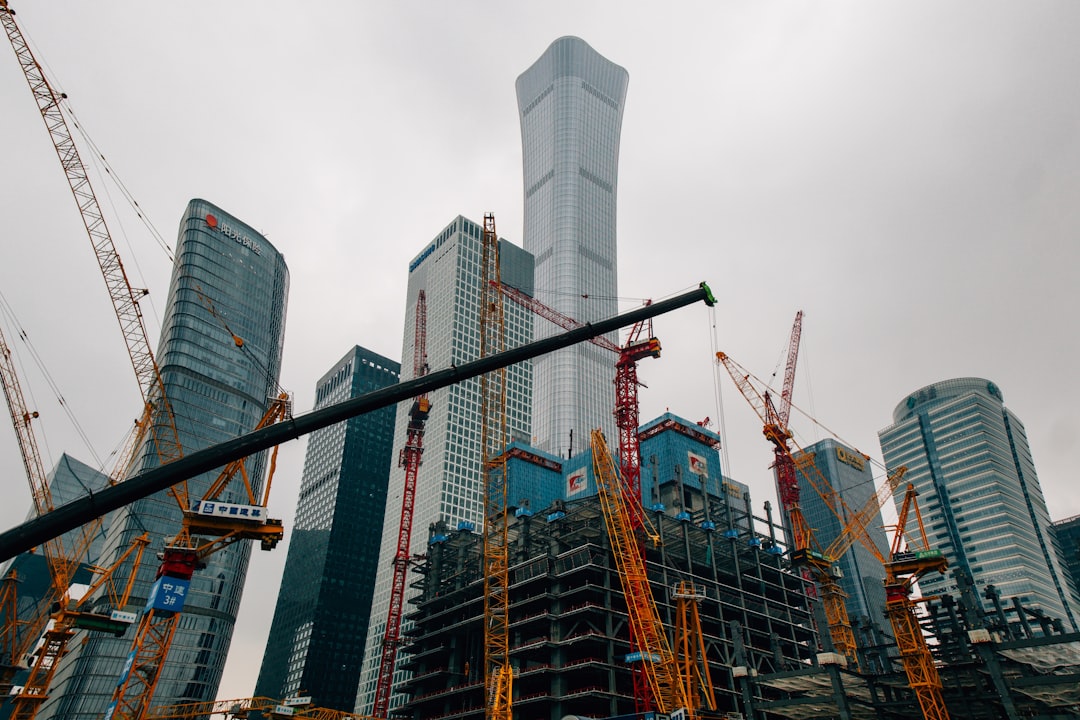
Hui Ka Yan, the billionaire founder of China Evergrande Group, pleaded guilty to fraud charges in a Guangzhou court, marking a watershed moment in Beijing's handling of the nation's sprawling property sector crisis. The development represents strategic accountability rather than mere punishment, signaling the Chinese Communist Party's approach to managing systemic risk through high-profile enforcement.
According to Bloomberg reporting, Hui admitted to fraudulent activity related to Evergrande's financial disclosures during the property giant's collapse, which triggered the broader real estate downturn that has weighed on China's economy for over two years. The guilty plea comes after months of regulatory investigation and follows a pattern established by Beijing in previous financial scandals—holding individual executives personally accountable while containing wider market contagion.
In China, as across Asia, long-term strategic thinking guides policy—what appears reactive is often planned. The prosecution of Hui Ka Yan serves multiple objectives within the CCP's governance framework. First, it demonstrates to domestic audiences that no entrepreneur is above the law, reinforcing President Xi Jinping's emphasis on "common prosperity" and curbing excess among billionaire tycoons. Second, it provides legal closure to a crisis that affected millions of homebuyers and threatened financial stability.
Evergrande's collapse exposed vulnerabilities in China's property-dependent growth model, where real estate and related industries accounted for as much as 30 percent of GDP. The company defaulted on over $300 billion in liabilities, leaving unfinished apartment complexes across China and sparking sporadic protests from buyers who had paid in advance for homes that were never completed.
Chinese authorities have responded through a combination of regulatory tightening, selective support for state-backed developers, and legal accountability for executives deemed responsible. The guilty plea from Hui, once China's richest man, fits this pattern. It provides moral closure while allowing the government to position itself as protecting ordinary citizens from corporate malfeasance.
Sentencing details have not been disclosed, though Chinese fraud convictions in cases involving such massive sums typically result in lengthy prison terms. The case also raises questions about asset recovery—Hui's personal wealth, once estimated at over $40 billion, has been substantially diminished, but authorities may seek to reclaim remaining assets to compensate creditors and homebuyers.
The broader property sector remains under pressure. While Beijing has eased some financing restrictions for developers and introduced measures to support homebuyers, transaction volumes in major cities remain well below historical levels. The CCP leadership views gradual deleveraging as preferable to dramatic intervention that might create moral hazard or inflate another asset bubble.
For foreign investors and multinational corporations operating in China, the Evergrande case reinforces the importance of regulatory compliance and the government's willingness to sacrifice even the most prominent business figures when systemic interests are at stake. It also highlights Beijing's preference for controlled restructuring over disorderly defaults, a pattern evident in other sectors facing debt pressures.
The guilty plea represents not an endpoint but a milestone in China's effort to rebalance its economy away from property-fueled growth toward manufacturing, technology, and consumption. As outlined in the 14th Five-Year Plan, this transition remains a multi-year process, and legal accountability for figures like Hui Ka Yan serves to mark clear boundaries for acceptable business conduct in the new economic model.