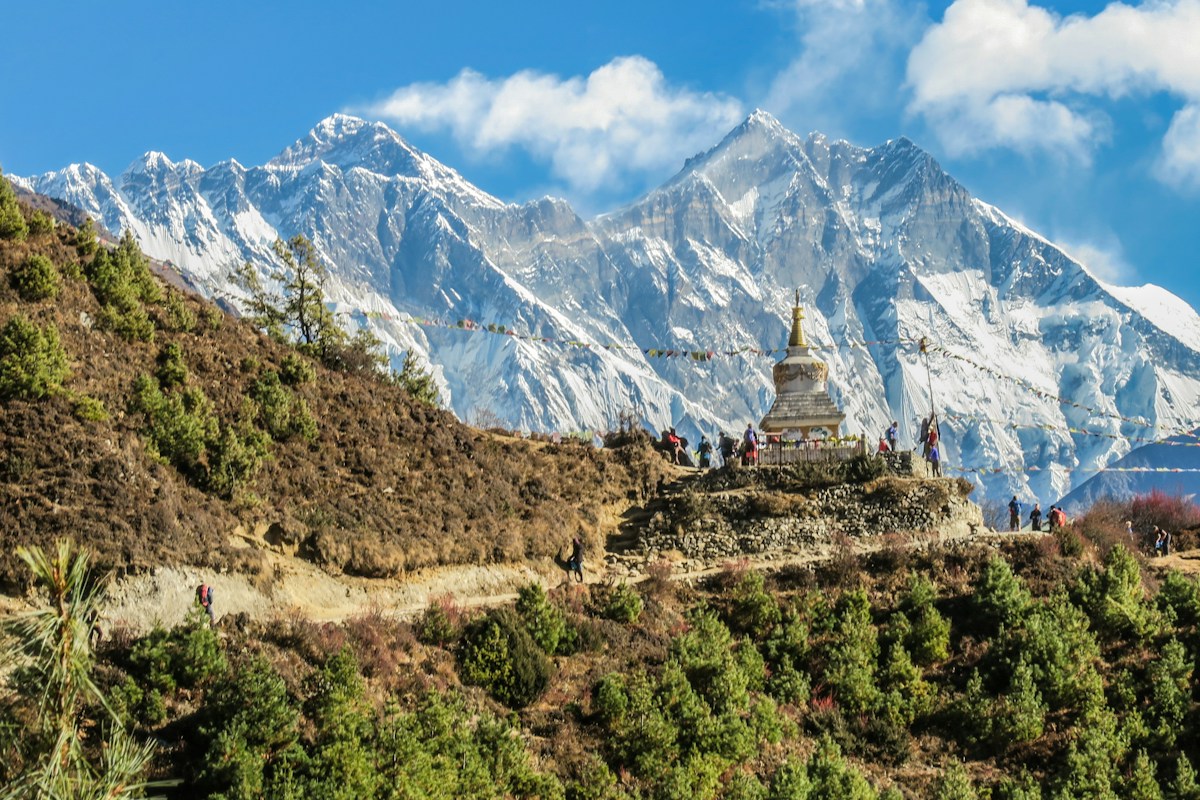
A solo trekker completed the Everest Base Camp route in 8 days for just 50,000 NPR ($450 USD total), challenging the perception that this bucket-list adventure requires thousands. The detailed breakdown reveals exactly where money goes and what you actually need versus what tour companies upsell.
"Don't overppack, don't carry sleeping bag, everywhere they will provide neat and clean and very good blankets which will be completely sufficient for you," the trekker advised, highlighting gear myths that drive up costs.
The complete cost breakdown
From Kathmandu to Kathmandu, the solo trek totaled approximately 50,000 NPR ($450 USD), including:
Transportation: Bus from Kathmandu to Salleri (1,500 NPR), jeep from Salleri to Surke (3,000 NPR — potentially inflated due to election timing), and return transport.
Permits: 3,500 NPR total (2,000 + 1,500 for SAARC country citizens; higher for others).
Accommodation and food: Most lodges charged 250-500 NPR per night for basic rooms, with the standard practice of offering free stays if you order dinner and breakfast. Daily spending on food and lodging ranged from 1,800-7,650 NPR, with the highest costs at Lobuche (4,930 meters) where everything is more expensive due to altitude.
The trekker also paid for wifi at higher elevations (500-1,200 NPR per day), which is optional but helps with navigation and staying connected.
What tour companies charge vs. reality
Tour companies typically charge $1,200-2,500+ for organized EBC treks, citing guide fees, porter services, guaranteed accommodation, and logistics support. The solo cost breakdown reveals what you're actually paying for:
Not required. The trail is well-marked and heavily trafficked. the trekker noted. Many solo trekkers complete the route without issues.