
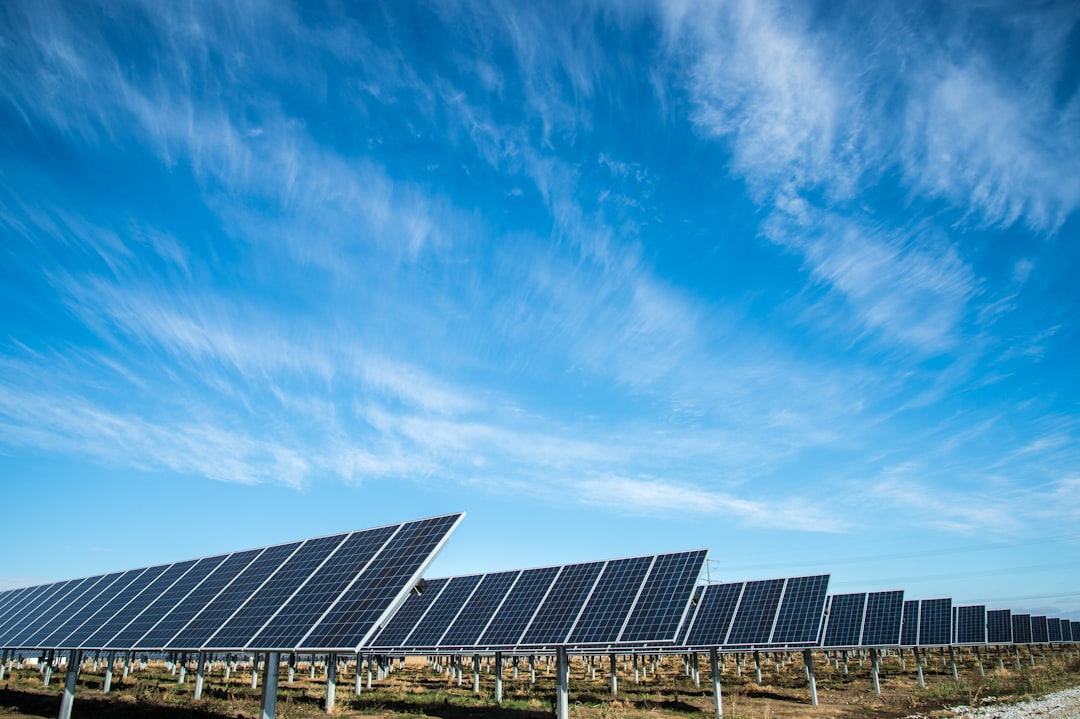
Europe's renewable energy capacity has surged to unprecedented levels, with wind and solar now generating more than 40% of electricity in several nations, but the continent faces a critical energy storage bottleneck that threatens to constrain further decarbonization.
The challenge reflects a fundamental tension in energy transition: renewable sources produce power intermittently, requiring massive storage capacity to balance supply with demand. Without adequate storage, grid operators must curtail clean energy production during peak generation periods or maintain fossil fuel backup capacity.
Germany has emerged as a case study in the storage dilemma. The nation generated record renewable electricity in 2025, yet regularly exports excess solar power to neighbors at negative prices during sunny afternoons while importing fossil fuel electricity during evening demand peaks. The economic inefficiency and emissions impact undermine climate progress.
"We've solved the generation problem but not the storage problem," said Dr. Henrik Müller, energy systems researcher at the Fraunhofer Institute. "Every megawatt of renewable capacity we add without corresponding storage means we're leaving climate benefits on the table and maintaining fossil fuel dependency."
Current battery storage deployment covers only a fraction of the capacity needed to smooth hourly and daily fluctuations, let alone address seasonal storage requirements. Europe has approximately 15 gigawatt-hours of battery storage, sufficient for less than two hours of continental electricity demand.
The storage gap constrains renewable deployment as grid operators reach technical limits for managing intermittent sources. Some nations have slowed solar and wind project approvals until storage capacity catches up, creating a paradoxical situation where climate solutions are delayed by infrastructure deficits.
Several storage technologies offer promise for different timescales. Lithium-ion batteries excel at hourly balancing, while pumped hydroelectric storage, compressed air systems, and hydrogen production can address longer-duration needs. Emerging technologies like iron-air batteries and thermal storage may provide cost-effective seasonal solutions.
In climate policy, as across environmental challenges, urgency must meet solutions—science demands action, but despair achieves nothing. The storage challenge demonstrates that energy transition requires systems thinking beyond generation capacity, encompassing storage, transmission upgrades, and demand flexibility.
Denmark has pioneered innovative approaches, integrating heat pumps and electric vehicle charging as flexible demand that absorbs excess renewable generation. The strategy transforms energy consumption patterns to match production availability rather than relying solely on storage.
Investment in storage infrastructure has accelerated dramatically, with European Union funding programs supporting battery manufacturing and long-duration storage demonstrations. Private capital has also flowed toward storage projects as economics improve and revenue opportunities expand.
The storage bottleneck carries implications beyond Europe. Every region pursuing deep decarbonization will confront similar challenges, making storage technology development a global priority. Lessons from Europe's experience can inform strategies in Asia, Africa, and the Americas.
Policy makers are exploring regulatory frameworks to incentivize storage deployment, including capacity markets that compensate storage providers for availability, streamlined permitting for storage projects, and mandates linking renewable development to storage capacity.
Experts estimate Europe needs to increase battery storage capacity tenfold by 2030 to maintain renewable deployment momentum and achieve climate targets. The scale of investment required—potentially hundreds of billions of euros—positions storage as the next frontier in energy transition finance.
The challenge also highlights opportunities for innovation in grid management, with artificial intelligence systems increasingly able to optimize energy flows across interconnected networks, reducing storage requirements through geographic and temporal diversification of renewable resources.