
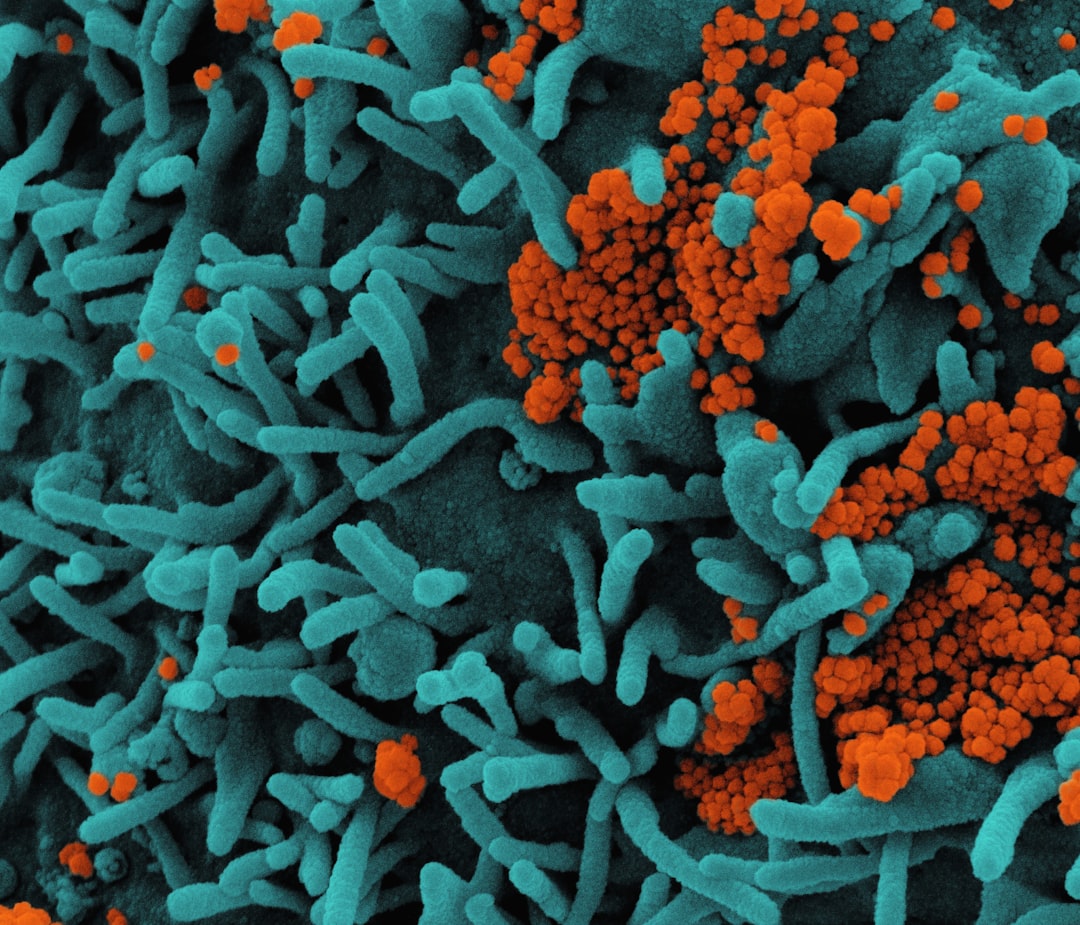
Rising global temperatures are accelerating antibiotic resistance in salmonella bacteria, creating a dangerous convergence of climate change and public health crises, according to new research published in the journal Nature Microbiology.
The study reveals a previously underappreciated mechanism through which climate change threatens human health beyond heat waves, extreme weather, and disease vector expansion. Warmer temperatures accelerate bacterial mutation rates and horizontal gene transfer, the process by which bacteria share resistance genes.
Researchers analyzed salmonella samples from multiple continents spanning three decades, finding that resistance prevalence correlates strongly with temperature increases. In regions experiencing the most rapid warming, antibiotic resistance markers appeared 15-20% more frequently than in areas with stable temperatures.
"We're witnessing a cascade effect where climate change undermines our ability to treat bacterial infections," said lead researcher Dr. Yuki Tanaka of Tokyo University. "As temperatures rise, bacteria evolve resistance faster, rendering our antibiotic arsenal less effective precisely when we face increasing food safety pressures from climate disruption."
The mechanism involves heat stress triggering bacterial SOS response systems, which increase mutation rates as bacteria struggle to survive. Simultaneously, warmer conditions promote bacterial proliferation in food systems, increasing opportunities for resistance genes to spread through bacterial populations.
Salmonella causes approximately 93 million infections and 155,000 deaths globally each year, primarily through contaminated food and water. The bacteria's resistance to first-line antibiotics like fluoroquinolones and third-generation cephalosporins has been climbing steadily, complicating treatment and increasing mortality rates.
The climate connection adds urgency to both antibiotic stewardship and emissions reduction. In climate policy, as across environmental challenges, urgency must meet solutions—science demands action, but despair achieves nothing. The research demonstrates that climate change operates through complex pathways beyond those commonly understood.
Public health officials emphasize that the findings underscore the need for integrated climate and health policy. "We can't address antibiotic resistance without addressing climate change, and vice versa," said Dr. Maria Rodriguez of the World Health Organization. "These aren't separate challenges but interconnected threats requiring coordinated responses."
The study also examined climate impacts on agricultural systems that contribute to resistance development. Industrial livestock operations, which account for approximately 70% of global antibiotic use, face increasing heat stress that encourages prophylactic antibiotic administration. This creates ideal conditions for resistance evolution.
Developing nations face disproportionate risks from the climate-resistance nexus, with less capacity to implement surveillance systems, maintain cold chains for food safety, or access newer antibiotics when resistance renders standard treatments ineffective.
Researchers recommend enhanced monitoring of antibiotic resistance patterns in warming regions, improved food safety protocols adapted for higher temperatures, and accelerated development of alternative treatments including phage therapy and anti-virulence drugs.
The findings add to growing evidence that climate change creates non-linear, cascading risks across multiple systems. Understanding these complex interactions is essential for developing comprehensive adaptation and mitigation strategies.