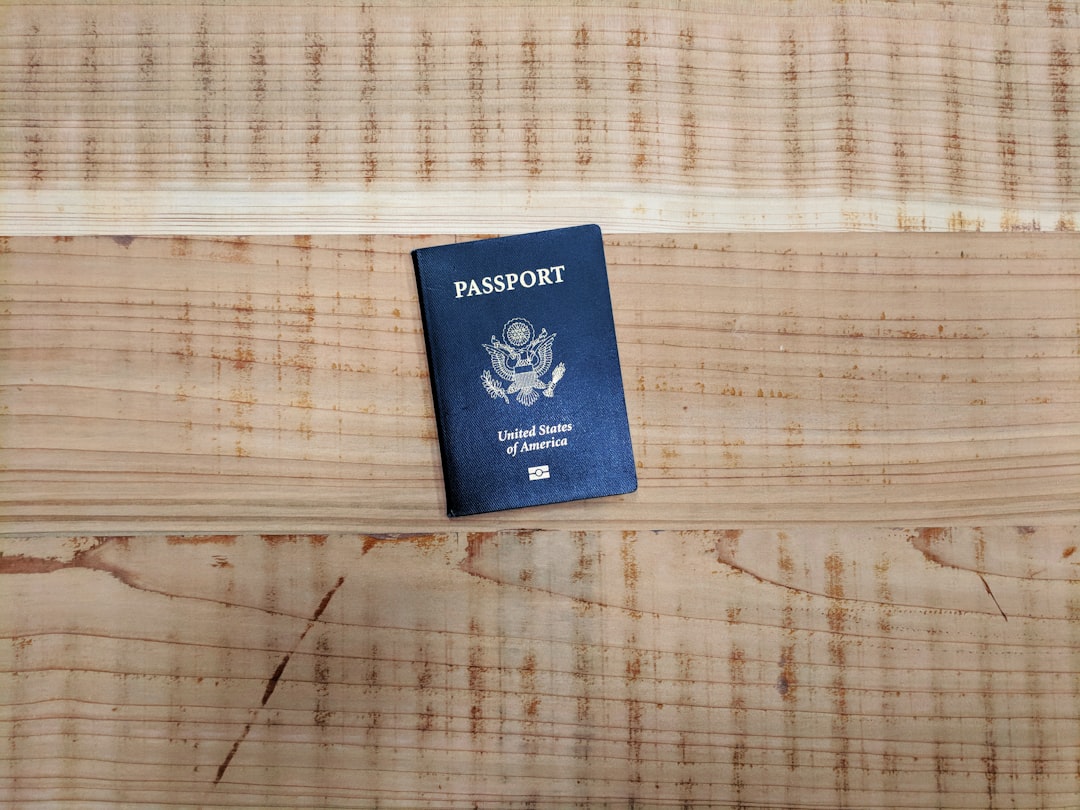
A traveler from a developing country is heading to Paris in April and leaving from Athens in May. They need an exit stamp from Greece—not for nostalgia, but because without it, they may not be able to get visas to the UK, US, or other developed nations in the future.
The problem? The European Union's new Entry/Exit System (EES) will eliminate passport stamps entirely—and travelers from countries with strict visa requirements are scrambling to understand how to document their travel history.
"I am from a third world country and need visa for UK/US and other developed nations and not having an exit stamp can cause problems for me in future," they wrote in a post on r/travel that highlights a critical issue many Western travelers haven't considered.
The Entry/Exit System (EES) is the EU's new automated system for registering non-EU nationals entering and exiting the Schengen Area. According to the European Commission, the system will replace passport stamping with biometric data collection and digital record-keeping.
For European and American travelers, this is largely a convenience—faster processing, no more stamp-related passport issues. But for travelers from countries where visa applications require proof of travel history through passport stamps, the change creates serious documentation problems.
Many countries require visa applicants to demonstrate their travel history—proof they've visited other nations and, crucially, that they returned home rather than overstaying. Passport stamps have traditionally served this purpose. When India applies for a US visa, immigration officers flip through their passport looking for stamps showing travel to Europe, Canada, or other developed nations.
Without stamps, how do these travelers prove where they've been?