
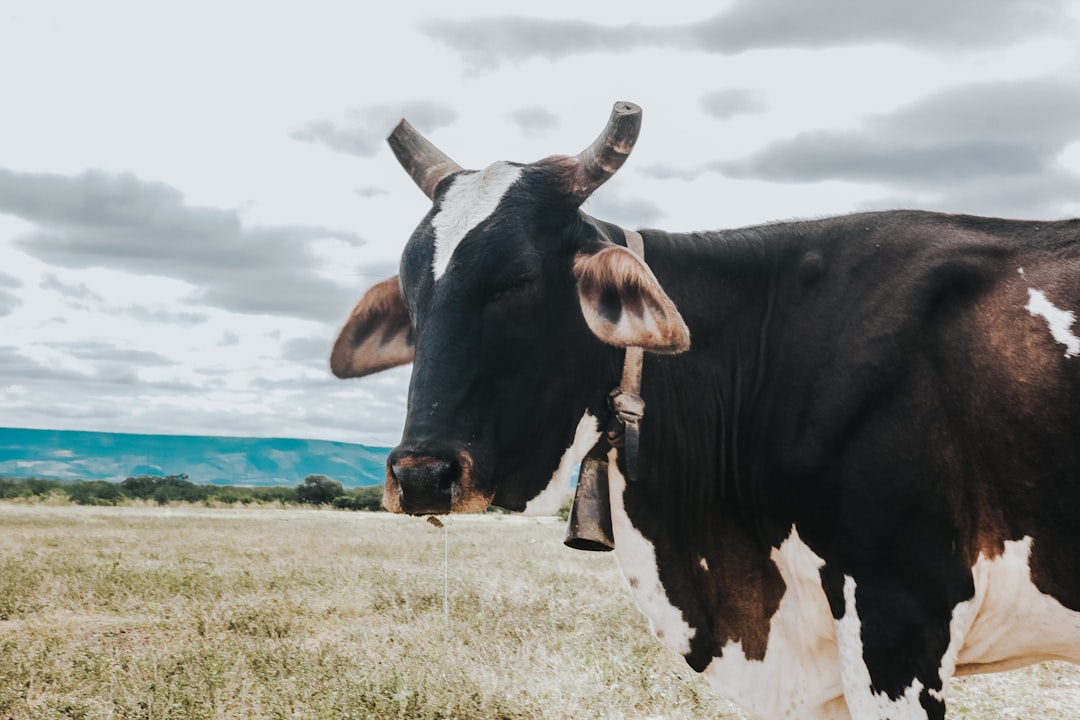
The European Commission has announced that Brazilian beef and other animal products will be banned from EU imports starting September 3 unless Brasília demonstrates compliance with European antimicrobial regulations—a decision that affects €2 billion in annual trade and threatens the provisional EU-Mercosur agreement that took effect May 1.
The ban targets a specific problem: Brazil's failure to restrict antibiotics used for growth promotion in livestock and its inadequate controls on antibiotics reserved for human medicine. European regulators consider these practices a direct threat to public health through antimicrobial resistance (AMR).
"Brazil is not included in the list of countries complying with EU rules" on antimicrobial use in food animals, Commission spokesperson Eva Hrncirova stated Monday. The September deadline gives Brazilian authorities four months to implement regulatory changes and demonstrate effective enforcement.
Brussels decides more than you think. This single decision just put a €2 billion trade relationship on a four-month clock.
The Antimicrobial Resistance Problem
The EU's concern is straightforward: livestock treated with antibiotics develop resistant bacteria. Those bacteria can transfer to humans through meat consumption, agricultural runoff, or environmental contamination. Once resistance spreads, antibiotics that previously treated serious infections become ineffective.
Antimicrobial resistance already causes an estimated 35,000 deaths annually in the EU and European Economic Area. Global deaths attributed to AMR exceed 1.2 million per year. The problem worsens as agriculture continues using antibiotics that medical systems desperately need to remain effective.
The Irish Farmers' Association commissioned an investigation into Brazilian antibiotic practices that documented severe regulatory gaps. Buyers could purchase unlimited quantities of antibiotics with minimal oversight. Livestock databases that would enable tracking and enforcement were absent or incomplete. Prescription requirements were frequently ignored.
"The commission is finally taking the Antibiotic/Anti-Microbial Resistance threat posed by Brazilian beef production somewhat seriously," IFA President Francie Gorman said, welcoming the decision. He insisted there must be "no fudging of this issue."
The IFA has particular credibility on this question. Irish beef producers face strict antibiotic regulations that increase costs and constrain operations. They've argued for years that Brazilian producers gain unfair competitive advantage through lax standards that European farmers aren't permitted to match.
Brazil's Regulatory Challenge
The September deadline requires Brazil to implement several specific measures: prohibition on antibiotics used for growth promotion, restrictions on antibiotics designated for human medicine, comprehensive livestock identification and tracking systems, prescription requirements and veterinary oversight for antibiotic use, and enforcement mechanisms with meaningful penalties.
These aren't minor administrative adjustments. They require legislative changes, new regulatory agencies or expanded mandates for existing ones, substantial agricultural sector investments, and political will to enforce rules against powerful agribusiness interests.
Brazil is the world's largest beef exporter. Its cattle industry operates at enormous scale, often in remote regions where regulatory oversight is limited. Implementing and enforcing EU-standard antibiotic controls across this system within four months presents a formidable challenge.
Brazilian agricultural officials have not yet publicly responded to the Commission's announcement. Whether Brasília treats the deadline as a serious ultimatum or as a negotiating position subject to extension will become clear in the coming weeks.
The EU-Mercosur Complication
The timing is particularly awkward. The EU-Mercosur trade agreement entered provisional effect May 1, after more than two decades of negotiations. The deal eliminates tariffs on approximately 90% of goods traded between the EU and Argentina, Brazil, Paraguay, and Uruguay.
Brazil is the only Mercosur member excluded from the EU's approved list of countries authorized to export animal products under the antimicrobial standards. That means the trade agreement's agricultural provisions don't fully apply to Brazil—the largest agricultural producer in the bloc.
The exclusion reflects the specific problem with Brazilian antimicrobial practices rather than a broader protectionist agenda. Argentina, Paraguay, and Uruguay all meet EU standards and face no restrictions. The contrast demonstrates that compliance is achievable and that EU requirements aren't designed to be impossible.
But it also creates an obvious tension. The EU spent decades negotiating a comprehensive trade agreement with Mercosur, then immediately excluded the bloc's largest economy from key agricultural provisions. Brazilian officials are likely to view this as evidence that European agricultural protectionism will always find reasons to block Brazilian products regardless of regulatory compliance.
European officials counter that Brazil knew the antimicrobial requirements for years and chose not to address them. The fault lies with Brasília's regulatory failure, not Brussels' standards.
Trade Volume and Economic Impact
Brazil currently exports approximately 150,000 tonnes of beef to the EU annually, worth roughly €2 billion. That represents about 4% of Brazilian beef exports by volume but a higher percentage by value, as European consumers pay premium prices.
The EU is Brazil's second-largest beef export market after China. Losing access would force Brazilian producers to redirect supply to other markets, likely at lower prices. The immediate economic impact on Brazil's cattle sector would be significant.
For European consumers, the ban's effect depends on substitution sources. Ireland, France, Poland, and other EU beef producers would likely increase output. Non-EU suppliers including Argentina and Uruguay could expand exports to Europe. Total supply might not decrease substantially, though prices could rise modestly.
European beef producers, unsurprisingly, support the ban. They've argued for years that Brazilian competition operates under lower standards. Removing that competition benefits European farmers economically while addressing legitimate public health concerns—a rare alignment of producer interests and consumer protection.
September 3 as Negotiating Deadline
The four-month timeline suggests the Commission views the deadline as negotiable if Brazil demonstrates genuine progress. Implementing comprehensive antimicrobial controls in four months is unrealistic. Convincing European regulators that implementation is underway and credible might be achievable.
The question is whether Brasília treats this as a technical regulatory issue requiring good-faith compliance efforts or as a political confrontation requiring aggressive pushback. The Brazilian government's response in the next few weeks will indicate which approach it has chosen.
If Brazil proposes a detailed implementation plan with clear milestones and enforcement mechanisms, the Commission might grant additional time. If Brasília attacks the requirements as protectionism and refuses meaningful concessions, the September 3 ban becomes considerably more likely.
Brussels decides more than you think. And on food safety standards, Brussels has consistently demonstrated that it will actually enforce its decisions—even when that means blocking billions in trade from a major partner. Brazil has four months to decide if it's serious about European market access.