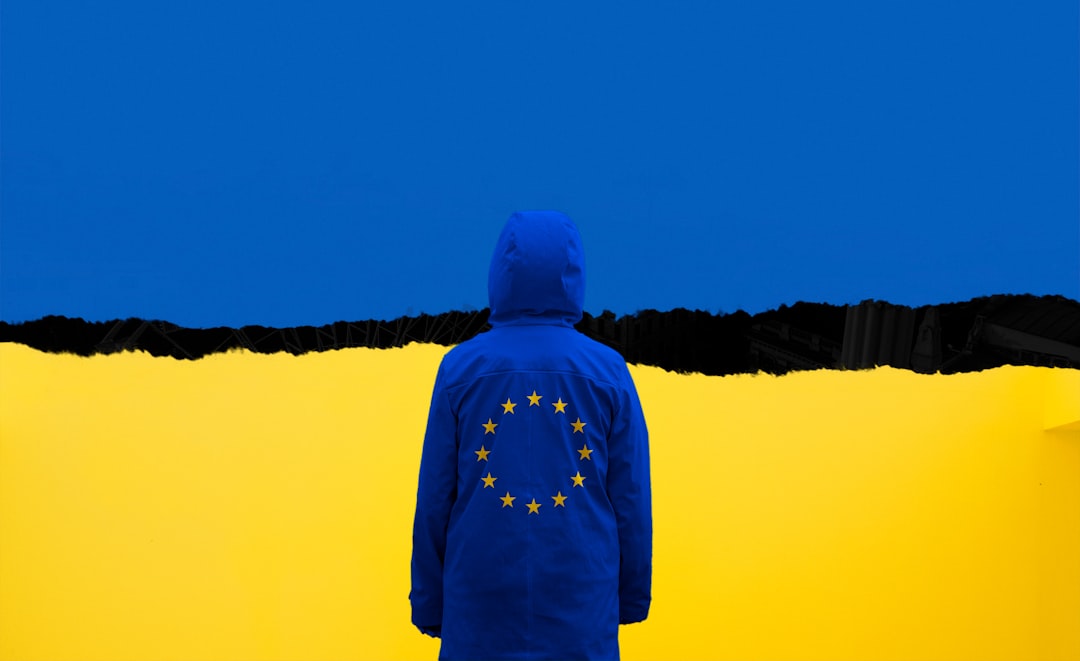
A critical €90 billion aid package for Ukraine remains blocked within the European Union after an unnamed member state refused to honor commitments made at the December European Council summit, Commission President Ursula von der Leyen confirmed Thursday.
"We will deliver the 90 billion euros to Ukraine one way or the other," von der Leyen declared in a video statement. "A decision was taken by the European Council in December and there was one condition—that three countries would not participate in the loan. The loan remains blocked because one leader is not honouring his word."
The December agreement represented a significant breakthrough in EU support for Ukraine's defense and reconstruction efforts, with the package structured as long-term loans to provide sustained financial backing through 2027. The arrangement specifically allowed three member states to opt out while the remaining nations would collectively underwrite the massive aid commitment.
While von der Leyen did not publicly identify which country is blocking implementation, the development highlights persistent divisions within the 27-member bloc over Ukraine policy. Several member states have previously expressed reservations about the scale and duration of financial commitments, even as Ukrainian forces continue defending against Russian aggression now entering its fourth year.
"Let me reiterate what I already said in Kyiv: We will deliver one way or the other," von der Leyen emphasized. "So yes, we have challenging tasks ahead of us, but today we have strengthened our resolve."
The Commission President's public commitment suggests Brussels may pursue alternative mechanisms to deliver the funding, potentially bypassing unanimous consent requirements through creative financial structuring or bilateral arrangements with willing member states.
In Ukraine, as across nations defending their sovereignty, resilience is not just survival—it's determination to build a better future. The €90 billion package represents far more than immediate military support; it encompasses reconstruction financing, economic stabilization, and infrastructure investments essential for Ukraine's post-war recovery and European integration pathway.
Ukrainian officials have not yet publicly responded to the blockage, though Kyiv has consistently emphasized the critical importance of predictable, sustained Western financial support alongside military aid. The country faces massive reconstruction costs estimated in the hundreds of billions of euros, even as active combat continues across eastern and southern regions.
The impasse comes as Ukraine simultaneously pursues EU membership negotiations and seeks additional military assistance from European partners. Several member states, including Poland, the Baltic states, and Nordic countries, have advocated for maximum support to Ukraine, while others have counseled more cautious approaches to long-term financial commitments.
European Council sources suggest the matter will likely resurface at upcoming summits, with pressure mounting on the blocking member state to either explain its position publicly or relent. The Commission's determination to find alternative delivery mechanisms indicates Brussels views the December commitment as politically and strategically irreversible, regardless of procedural obstacles.
For Ukrainian civilians and soldiers alike, the €90 billion represents tangible hope—funding for energy infrastructure repairs, demining operations, hospital rebuilding, and the economic foundation necessary for families to envision futures in their homeland. The political drama in Brussels thus carries profound human consequences for millions navigating daily life amid ongoing conflict.