
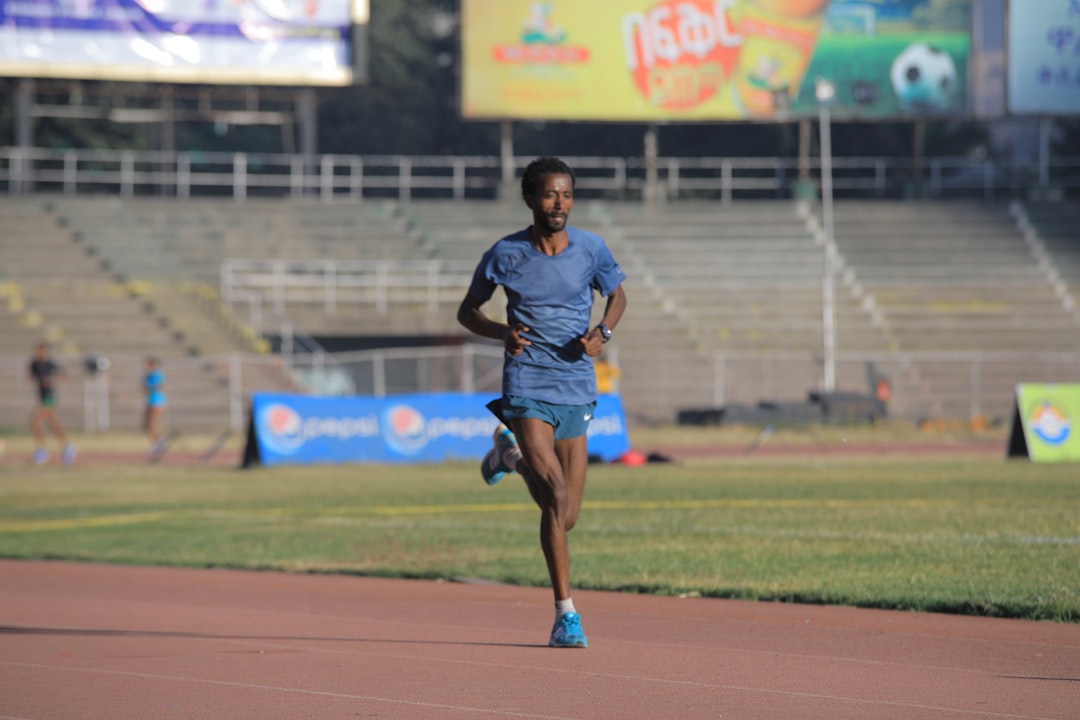
Ethiopia's Tigist Assefa has retained her London Marathon crown with a world record time of 2:15:41, cementing her status as the dominant force in women's marathon racing and highlighting the East African training ecosystems that continue to produce global champions.
The 27-year-old from Arsi zone broke her own previous women's-only marathon record, defeating fellow competitor Hellen Obiri in what organizers described as "a truly historic day for distance running." This marks Assefa's second consecutive London Marathon victory, both achieved with record-breaking performances.
But Assefa's success is not an individual story—it is the product of infrastructure. Ethiopia's high-altitude training centers in Bekoji, Sululta, and the Entoto mountains have become laboratories for endurance excellence, producing generation after generation of world-class distance runners.
"We are not naturally gifted," says Haile Gebrselassie, the retired Ethiopian distance legend who now mentors young athletes. "We have altitude, we have culture, and we have systems. That is what produces champions."
The systems include government-supported training facilities, private athletics clubs, and a network of coaches who identify talent in rural areas and bring them to specialized programs. Assefa herself came from humble beginnings in rural Arsi, joining the Ethiopian national athletics program in her teens.
Ethiopia and neighboring Kenya have dominated global distance running for decades, a dominance often attributed to genetics or "natural talent." That narrative erases the deliberate infrastructure both countries have built: altitude training, nutritional programs, coaching expertise, and competitive domestic circuits that prepare athletes for international competition.
The London Marathon showcased this regional strength. Alongside , Kenya's won the men's race with a time under two hours, while Ethiopia's also broke the two-hour barrier. East African runners occupied the podium in both races.