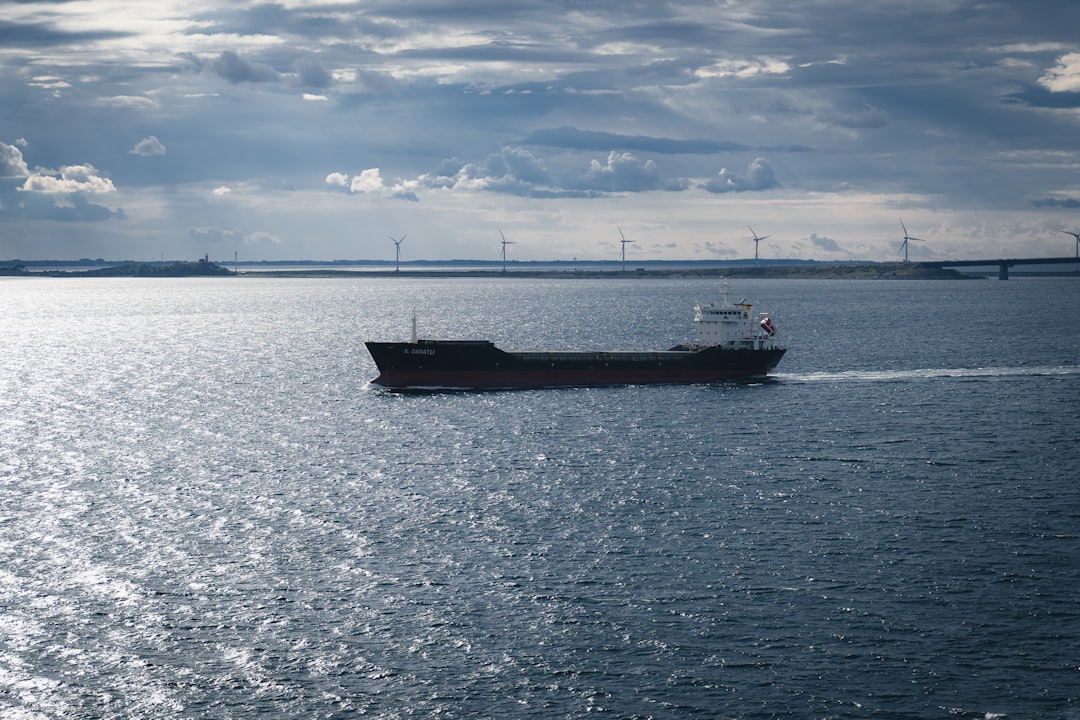
Estonia has determined that detaining Russian shadow fleet tankers operating in the Baltic Sea poses unacceptable risks, despite growing concerns about these vessels' role in evading sanctions and potential threats to maritime infrastructure. The assessment reveals the practical limitations Baltic states face when confronting Russian operations, even as NATO members with alliance backing.
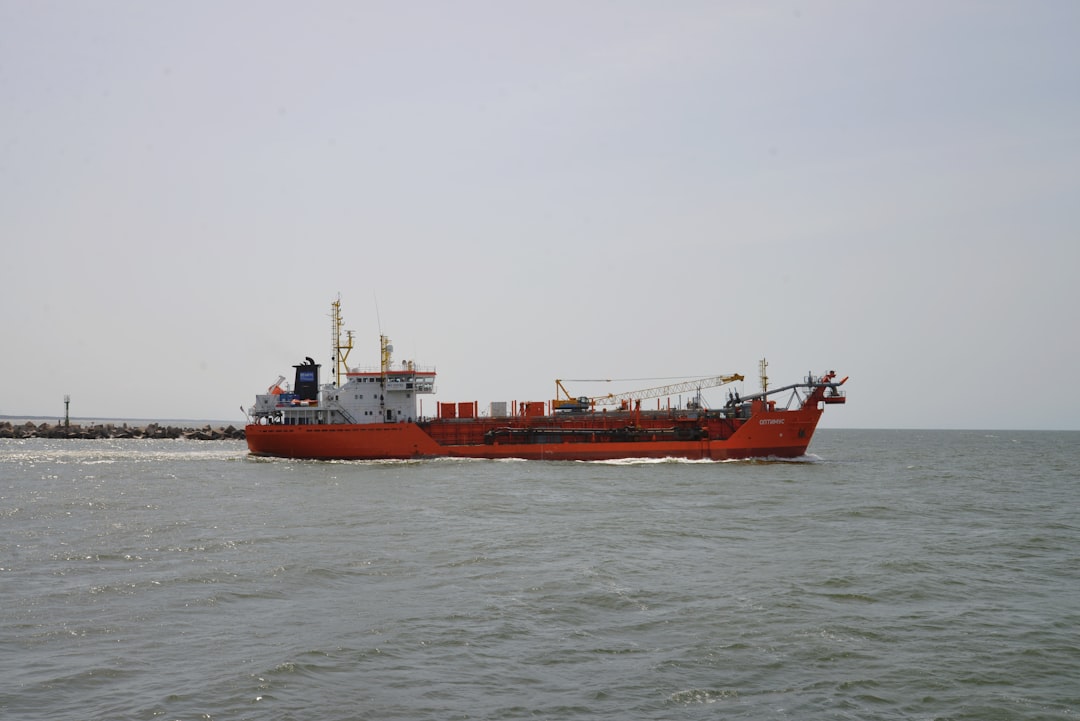
In Russia, as in much of the former Soviet space, understanding requires reading between the lines. The shadow fleet—aging tankers operating with obscure ownership, minimal insurance, and flags of convenience—has become Russia's primary mechanism for exporting oil while circumventing Western sanctions. These vessels transit through narrow Baltic waterways regularly, according to Reuters.
The calculation involves multiple risk factors. Estonian officials have weighed the potential for confrontation with Russian naval forces, the legal complexities of detention in international waters, and the possibility of environmental disaster if operations go wrong in the confined Baltic Sea. The tankers themselves are often poorly maintained, and any incident during a detention attempt could result in an oil spill with regional consequences.
The shadow fleet issue has concerned Baltic and Nordic states since sanctions intensified following Russia's invasion of Ukraine. Intelligence assessments suggest some vessels may have dual purposes, potentially involved in mapping undersea infrastructure or other activities beyond simple oil transport. Incidents involving damaged undersea cables in the Baltic have heightened suspicions about the activities of ships operating in the region.
Estonia, despite its firm stance against Russian aggression and strong support for Ukraine, faces practical constraints. The country's navy is modest, designed for coastal defense rather than major enforcement operations against commercial vessels. While NATO membership provides security guarantees against direct military threats, it does not automatically extend to supporting confrontations with vessels engaged in sanctions evasion.
Other Baltic states face similar dilemmas. Finland and Sweden, the latter now a NATO member, must balance their desire to enforce sanctions with the risks of escalation. Poland has been more vocal about interdiction but faces the same practical challenges regarding enforcement in international waters and the potential for incidents.
The legal framework adds complexity. While EU and allied sanctions target Russian oil exports, the mechanisms for physically stopping vessels in international waters remain constrained by maritime law. Tankers sailing under third-country flags, even if ultimately serving Russian interests, cannot always be detained without solid legal grounds. The shadow fleet operators understand these limitations and exploit them.
Russian authorities have not directly commented on Estonian statements regarding the shadow fleet, though state media has previously characterized Western concerns about these vessels as exaggerated. The tankers continue their operations, carrying Russian oil through Baltic waters to destinations where sanctions are less stringently enforced or circumvention is possible.
The environmental dimension cannot be ignored. Many shadow fleet vessels are aging, poorly maintained, and operate with minimal insurance coverage. If one were to founder or spill oil in the Baltic Sea—a relatively enclosed body of water bordered by multiple nations—the environmental and economic consequences would be severe. This risk factors into Estonian calculations about intervention.
For NATO and the EU, the shadow fleet represents a broader challenge of sanctions enforcement. Economic measures lose effectiveness when enforcement proves too risky or legally complex. Yet direct confrontation with vessels that might be considered extensions of Russian state interests carries escalation dangers that small Baltic states are understandably reluctant to assume alone.
The Estonian assessment reflects a recurring pattern in the region: even states with clear strategic interest in limiting Russian activities must weigh their capabilities and the potential costs of confrontation. The shadow fleet continues operating in Baltic waters, and for now, the calculation favors allowing passage rather than risking the consequences of intervention.