

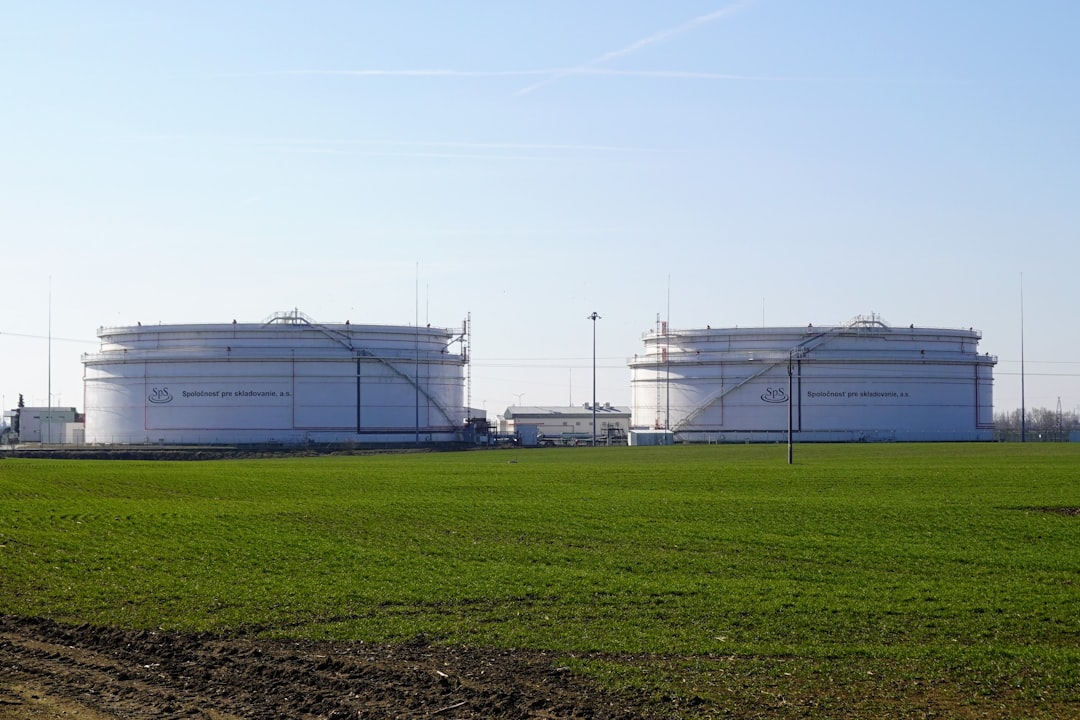
Ukrainian drone strikes have forced Russia toward production cuts as critical oil export infrastructure sustains damage that the Kremlin cannot quickly repair. Independent Russian media outlet Novaya Gazeta Europe reports approximately 20% of Russia's export capacity remains disabled, creating bottlenecks that will likely force oil field closures.
Three major Baltic facilities have suffered significant damage, according to Reuters sources cited in the report. The Ust-Luga port was "badly damaged in a Ukrainian drone strike last week," while the Primorsk and Kirishi terminals were "forced to reduce operations" following separate attacks. These facilities handle the bulk of Russia's seaborne oil exports to European and global markets.
Transneft, the state pipeline monopoly that controls 80% of Russian oil exports, announced it cannot accept full quotas from producers planning Baltic shipments. The pipeline agency's statement signals that infrastructure constraints—not Ukrainian strikes alone—now threaten Russian production levels. Storage facilities are filling rapidly as operational terminals struggle to handle diverted volumes.
In Russia, as in much of the former Soviet space, understanding requires reading between the lines. The economic implications extend beyond immediate export disruptions. Russia's tax structure levies oil taxes at the point of extraction rather than export, meaning production cuts directly reduce federal budget revenue at a time when Moscow faces mounting military expenditures and international sanctions pressure.
Industry sources told Reuters that "some oil fields will be obliged to reduce their output" as storage capacity reaches maximum levels. For Russia, the world's second-largest oil exporter, these forced reductions arrive amid already volatile global energy markets destabilized by Middle East conflicts.
The campaign represents a strategic shift in Ukraine's drone warfare tactics. Rather than targeting refineries that primarily affect domestic fuel supplies, strikes on export terminals directly threaten the revenue streams financing Russia's military operations. Each disabled loading facility reduces Moscow's ability to convert oil reserves into hard currency needed for continued warfare.



/file/dailymaverick/wp-content/uploads/Becs-roelfmeyer2.jpg)