
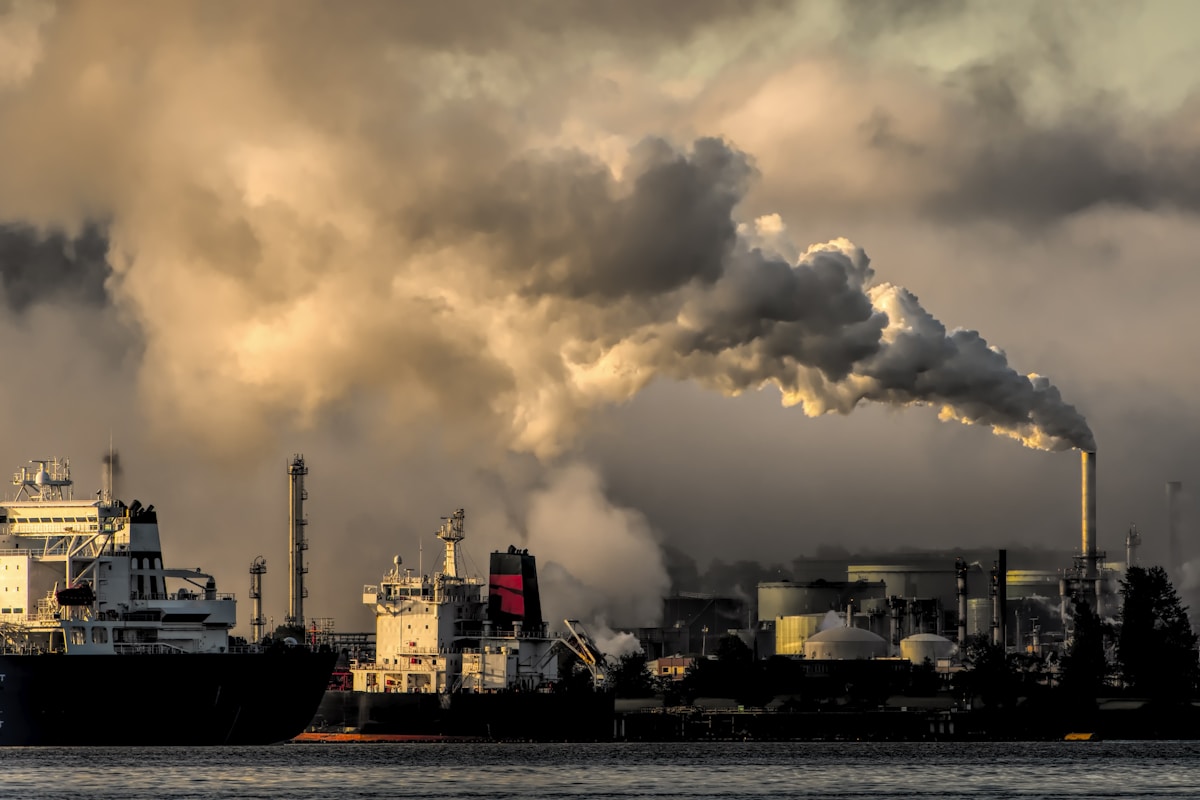
Australia's petrol and diesel remain significantly dirtier than fuels in Europe, Japan, and much of Asia, continuing to damage public health despite concerns raised throughout 2025.
The country's fuel quality standards allow sulfur levels ten times higher than European standards, contributing to air pollution that health experts say causes thousands of premature deaths annually.
Australia finally committed to improving fuel standards last year, but implementation has been delayed and the improvements still won't bring Australian fuel up to global best practice.
Mate, here's something that shouldn't still be happening in 2026: Australia, one of the world's wealthiest countries, is poisoning its own population with fuel quality that would be illegal in Europe.
The issue is sulfur content. Sulfur in fuel creates particulate matter and other pollutants when burned in car engines. Those pollutants damage lungs, aggravate asthma, contribute to heart disease, and increase mortality rates.
European fuel standards limit sulfur to 10 parts per million. Australia allows up to 150 ppm for regular unleaded petrol and even higher for diesel.
The Conversation reports that public health researchers estimate poor fuel quality contributes to approximately 3,000 premature deaths per year in Australia through its impact on air quality.
The health impacts aren't evenly distributed. People living near busy roads, in urban areas with heavy traffic, and in communities near ports and industrial areas face the highest exposure.
Children and elderly people are particularly vulnerable. Asthma rates in are among the highest in the world, and air pollution is a contributing factor.