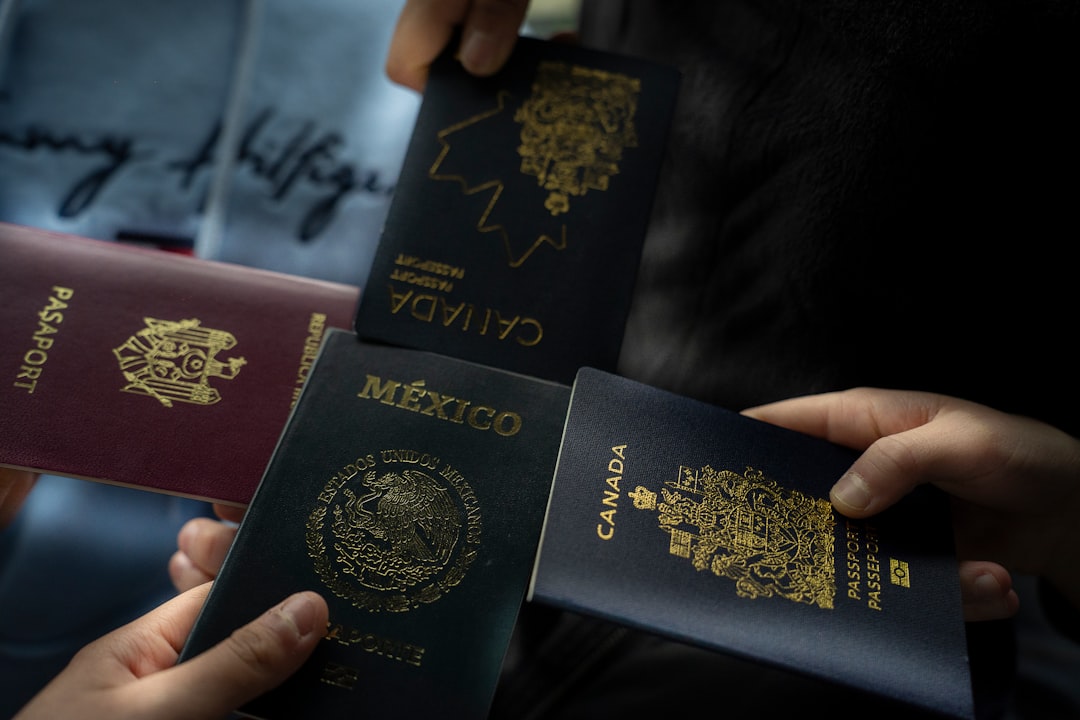
A Dutch couple planning to work remotely while traveling through Asia for six months faces the question most digital nomads quietly ignore: should they get work visas for each country, or just keep their laptops closed in public and hope not to get caught?
With work visas costing around €250 per person per country, the economics don't add up for many remote workers. For this couple earning just €2,500 combined per month and staying only one to two months per country, visa fees would consume a significant portion of their income.
"I was wondering whether most DN's just keep their work on the low while traveling on tourist visa's, or do it the official way," they wrote on Reddit's r/digitalnomad.
The answers revealed an uncomfortable truth: most digital nomads work on tourist visas and just don't talk about it.
"We wouldn't take the risk in China, but Japan and Thailand might be more doable," the couple added, acknowledging the gray area they're entering.
Here's the reality of digital nomad visa enforcement:
The rules: Most countries prohibit working on tourist visas, even if you're employed by a foreign company and paid in foreign currency. Technically, you need a work visa or special digital nomad visa to legally work while in-country.
The enforcement: Almost nonexistent, especially in popular digital nomad destinations like Thailand, Vietnam, Bali, and Portugal. Immigration officials care about visa overstays and illegal local employment—not whether you're answering emails for a Dutch company from a Chiang Mai café.
The risk calculation: Very low for most remote workers doing quiet laptop work in cafés or coworking spaces. Higher if you're conducting in-person business, meeting local clients, or drawing attention to yourself.
Countries with official digital nomad visas: