For digital nomads, a month-long Airbnb stay can make or break productivity. But how do you spot the difference between a genuine remote work setup and a "laptop-on-sofa vibes" disaster?
A digital nomad planning a month in Da Nang, Vietnam recently sparked a crucial conversation on r/digitalnomad about the gap between Airbnb listings that claim to offer "WiFi and workspace" and the reality of what actually shows up: a wobbly chair and a router tucked in the hallway.
After hundreds of responses from remote workers who've learned the hard way, a clear pattern of red flags has emerged—along with strategies to avoid booking a workspace nightmare.
Red Flag #1: "WiFi" mentioned without upload speeds
Download speeds get all the attention, but experienced remote workers emphasize that upload speed matters just as much for video calls, file sharing, and cloud work. Listings that don't mention upload speeds in Mbps are hiding something.
What to do: Ask hosts directly for upload/download speeds. Request a speedtest screenshot. If they can't provide it or give vague answers like "it's fast," that's your answer.
Red Flag #2: "Workspace" photos show only a dining table
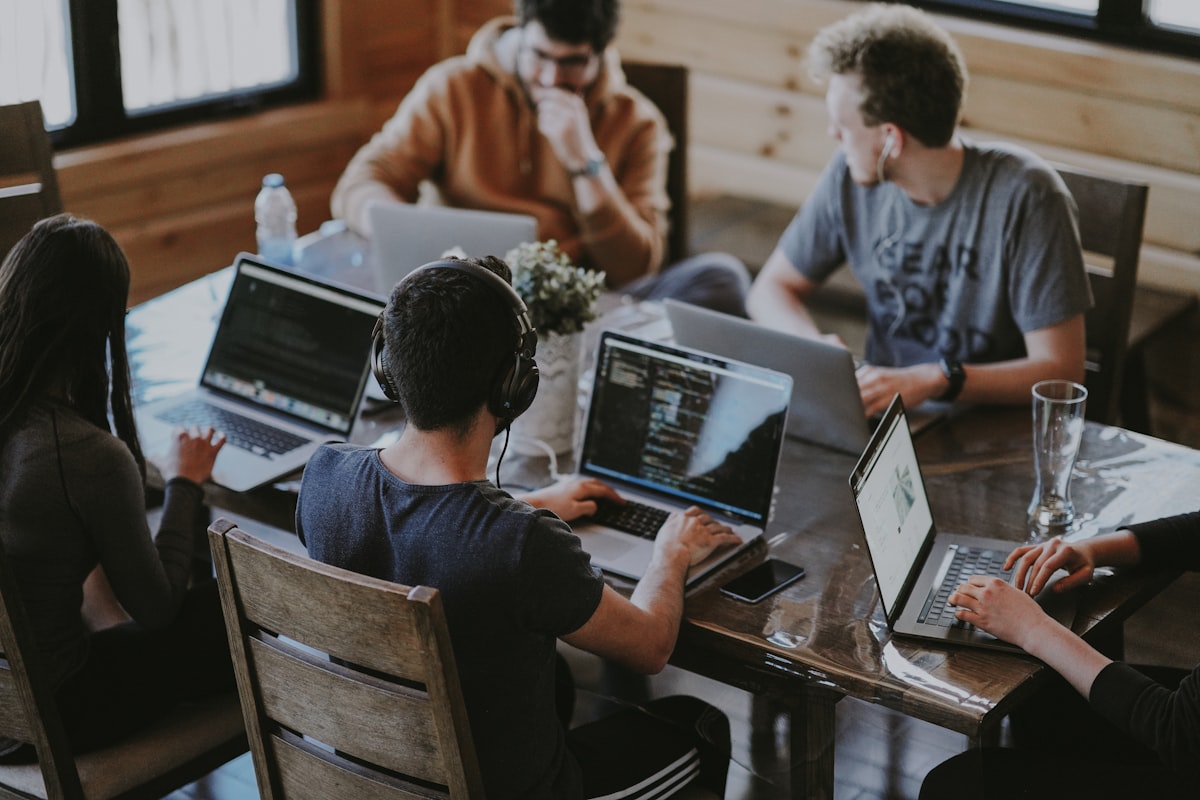
A proper remote work setup requires: an actual desk, ergonomic seating, task lighting, and power outlets within reach. Photos showing only a dining room table with decorative chairs spell back pain and low productivity.
What to do: Look for dedicated desk space in photos. Check if there's a proper office chair—dining chairs aren't designed for 8-hour workdays. Zoom in on photos to spot power outlets near the workspace.
Red Flag #3: Router location unclear or in common areas