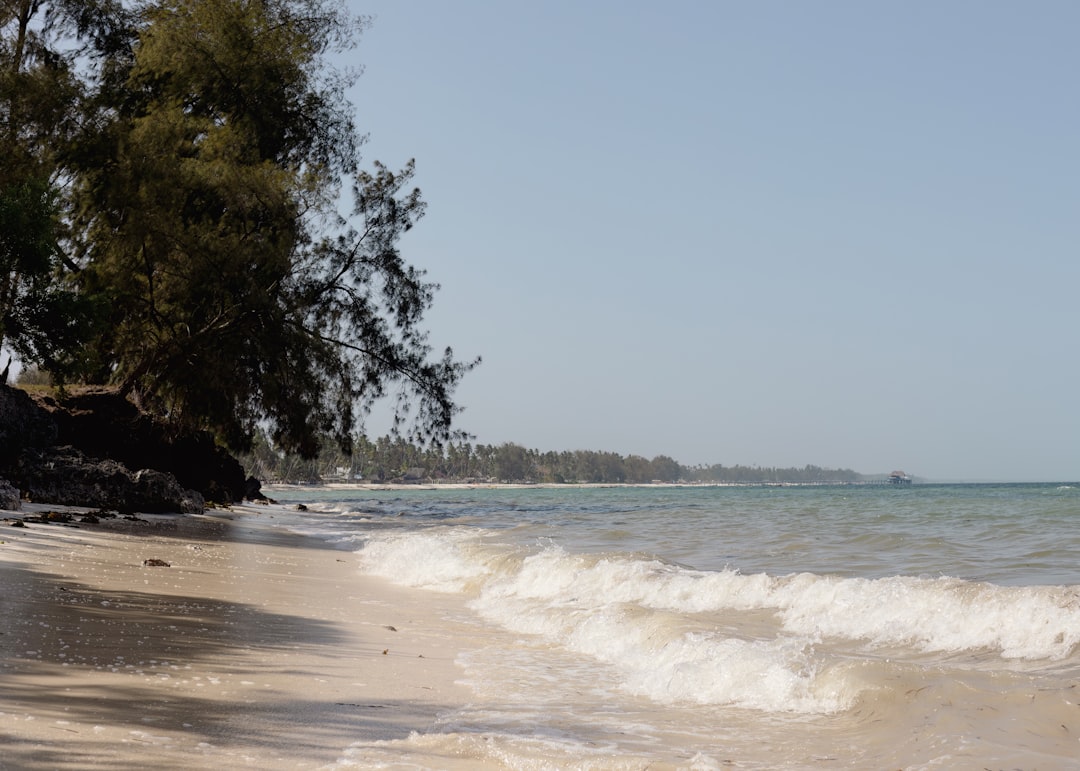
A digital nomad living in Tanzania since last June admits to mostly staying home, maintaining the same routine they had in the United States. Despite living in Africa and visiting Zanzibar, they question whether they're "wasting" the experience by not doing more "movie-worthy" activities.
"A part of me feels like I'm missing out on something," the nomad wrote on r/digitalnomad, capturing a tension familiar to anyone pursuing location-independent work: does living abroad while maintaining a normal routine defeat the purpose?
The post resonated with nomads who've experienced the same disconnect between the fantasy of constant adventure and the reality of needing stable routines to maintain work and mental health.
The slow travel reality
The digital nomad fantasy — promoted heavily on social media — shows people working from beaches, exploring temples, and constantly experiencing "movie-worthy" moments. The reality for most long-term nomads looks different: working 6-8 hours daily, grocery shopping, cooking at home, and maintaining routines that support productivity.
"I study, I work online, I go to the grocery store, occasionally I will go to the beach or to a friends house," the Tanzania-based nomad wrote. This routine sounds mundane, but it's actually the foundation of sustainable long-term travel.
The alternative — treating every day like a vacation — leads quickly to burnout, depleted savings, and work quality that gets you fired from remote contracts. Nomads who last years rather than months understand that boring routines enable exciting lives.
Is the location the point?
The question "am I wasting this experience?" assumes that living in Tanzania while maintaining a normal routine is somehow less valuable than constantly touring. But this perspective misses what makes long-term nomading different from tourism.