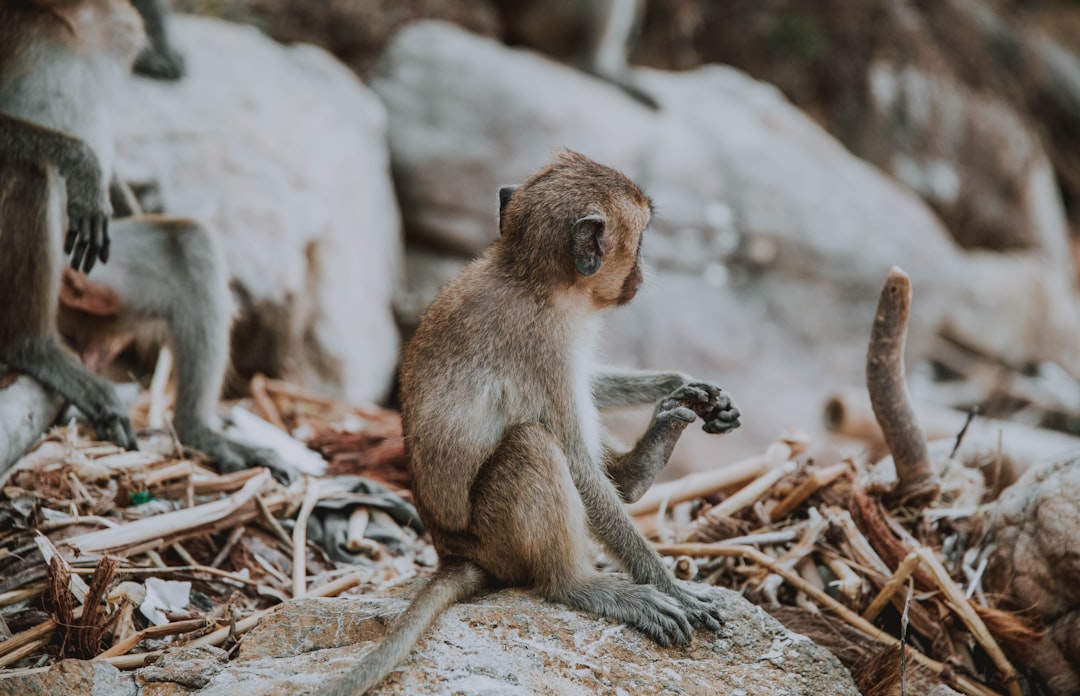
Adult apes and monkeys living under authoritarian social structures largely abandon playful behavior, while those in more egalitarian societies continue to play throughout their lives. The finding, published in Nature, reveals a striking correlation between political structure and behavioral expression in our primate relatives.
The research examined play behavior across multiple primate species with varying social organizations. In despotic societies—where a strict hierarchy is enforced through aggression and power is concentrated at the top—adult play is rare to nonexistent. In egalitarian societies—characterized by more fluid hierarchies and coalition-building—adults continue engaging in play behaviors throughout life.
What makes a primate society despotic versus egalitarian? It comes down to how power is distributed and enforced. Despotic species like rhesus macaques have rigid dominance hierarchies where subordinates show clear submission and dominant individuals maintain power through intimidation and violence. Egalitarian species like bonobos have more flexible social structures where coalitions can challenge dominant individuals and power is negotiated rather than imposed.
Play behavior in primates serves multiple functions: it builds social bonds, allows individuals to practice skills in low-stakes contexts, and signals benign intent. In despotic societies, these functions become dangerous. Playful behavior requires letting your guard down, and in a social structure built on constant threat assessment, that vulnerability is a liability.
Adult subordinates in despotic societies learn to suppress playful impulses. The energy and attention required for play are better spent monitoring the social landscape for threats. Dominant individuals, meanwhile, have little incentive to play—their status is maintained through intimidation, not relationship-building.
In egalitarian societies, the calculus is different. Social bonds matter more because coalitions can shift power dynamics. Play serves to build and maintain those bonds. Adults engage in wrestling, chasing, and other playful interactions that would be unthinkable in despotic groups.
The human parallel is obvious, though the researchers are careful not to overreach. We are primates. We evolved in social groups with political structures. The mechanisms linking social organization to behavioral expression in macaques and bonobos didn't disappear when hominids branched off.