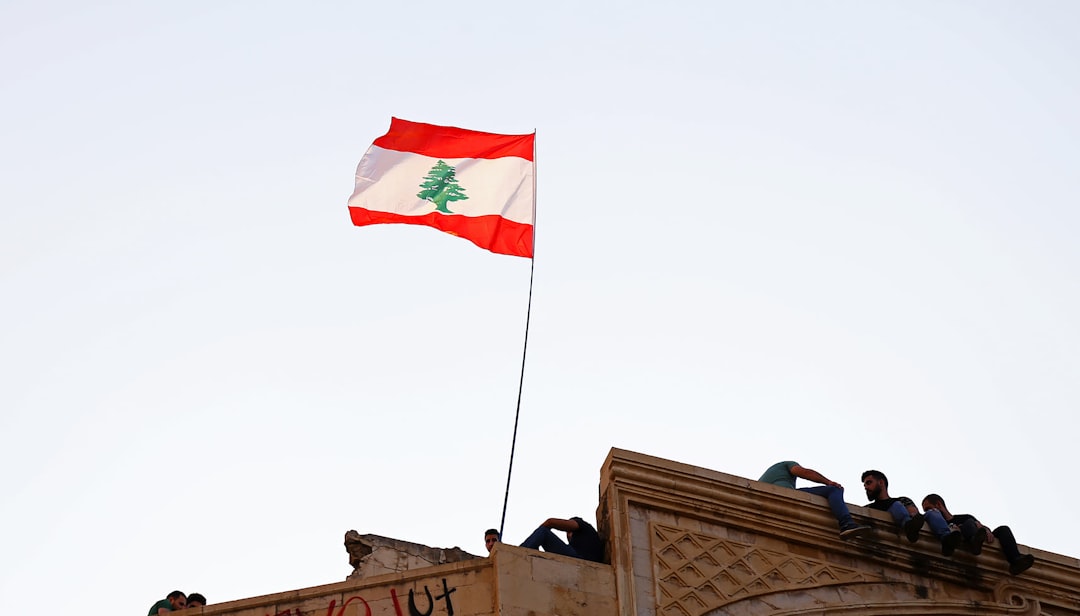
The death toll from renewed hostilities in Lebanon has reached 217 dead and 798 injured since March 2, according to the Lebanese Ministry of Health, as the conflict between Israel and Hezbollah enters its fifth day with no signs of de-escalation.
The casualty figures, confirmed by Ici Beyrouth citing ministry sources, approach the scale of losses seen during the opening days of the 2006 Israel-Hezbollah war, which ultimately killed more than 1,200 Lebanese over 34 days. The current pace suggests the conflict could match or exceed that toll if fighting continues at this intensity.
The rapid escalation reflects broader regional dynamics, particularly Iran's weakened position following sustained Israeli operations against its proxy networks across the Middle East. Tehran's diminished capacity to support Hezbollah has left the Lebanese militia more vulnerable than at any point since the 2006 war.
Casualties have been concentrated in southern Lebanon, where Israeli airstrikes have targeted Hezbollah positions, and in the Bekaa Valley, where ground clashes have intensified. The Ministry of Health reports that approximately 40 percent of the dead are combatants, with the remainder civilians caught in strikes on residential areas where Hezbollah maintains infrastructure.
In Beirut's southern suburbs, traditionally a Hezbollah stronghold, residents have begun evacuating after Israeli warnings of impending strikes. The displacement adds to a growing humanitarian crisis, with the UN estimating that more than 100,000 Lebanese have fled their homes since fighting began.
The Lebanese government, led by President Joseph Aoun, has reached out to international mediators seeking a ceasefire, but has struggled to assert control over Hezbollah's military operations. The militia operates independently of state authority, complicating diplomatic efforts to halt the fighting.
Regional context matters here. The 2006 war occurred when Iran's regional influence was ascending. Today, Tehran faces a different strategic landscape. Israeli operations have degraded Iranian military facilities, eliminated key commanders, and disrupted supply lines to proxies across the region. This shift has left Hezbollah with reduced resupply capabilities and diminished Iranian backing.
Medical facilities in southern Lebanon are overwhelmed. Hospitals in and have issued urgent appeals for blood donations and medical supplies. The Lebanese Red Cross reports that ambulances have come under fire multiple times while attempting to reach casualties.