
Paramount CEO David Ellison walked onto the historic Warner Bros. lot this Tuesday knowing he faced a skeptical audience. What he got was something worse: polite indifference.
Dressed in jeans and a polo - the billionaire's idea of casual - Ellison addressed a room full of executives who've survived more corporate restructurings than they care to remember. His mission: sell them on a unified media superpower. The reality: a lot of broad promises without the granular detail these veterans needed to hear.
The "chilly reception," as sources described it to The Hollywood Reporter, speaks to the fundamental tension of this merger. Ellison promised a "more is more" philosophy - 30 theatrical releases annually, maintaining both studio lots, building a unified streaming platform to rival Netflix. Bold stuff, especially when the rest of Hollywood is in austerity mode.
But here's the disconnect: Warner Bros. Discovery just spent two years cutting costs and laying off staff. Paramount has been doing the same. And now Ellison walks in talking about outspending everyone? The math doesn't math, as the kids say.
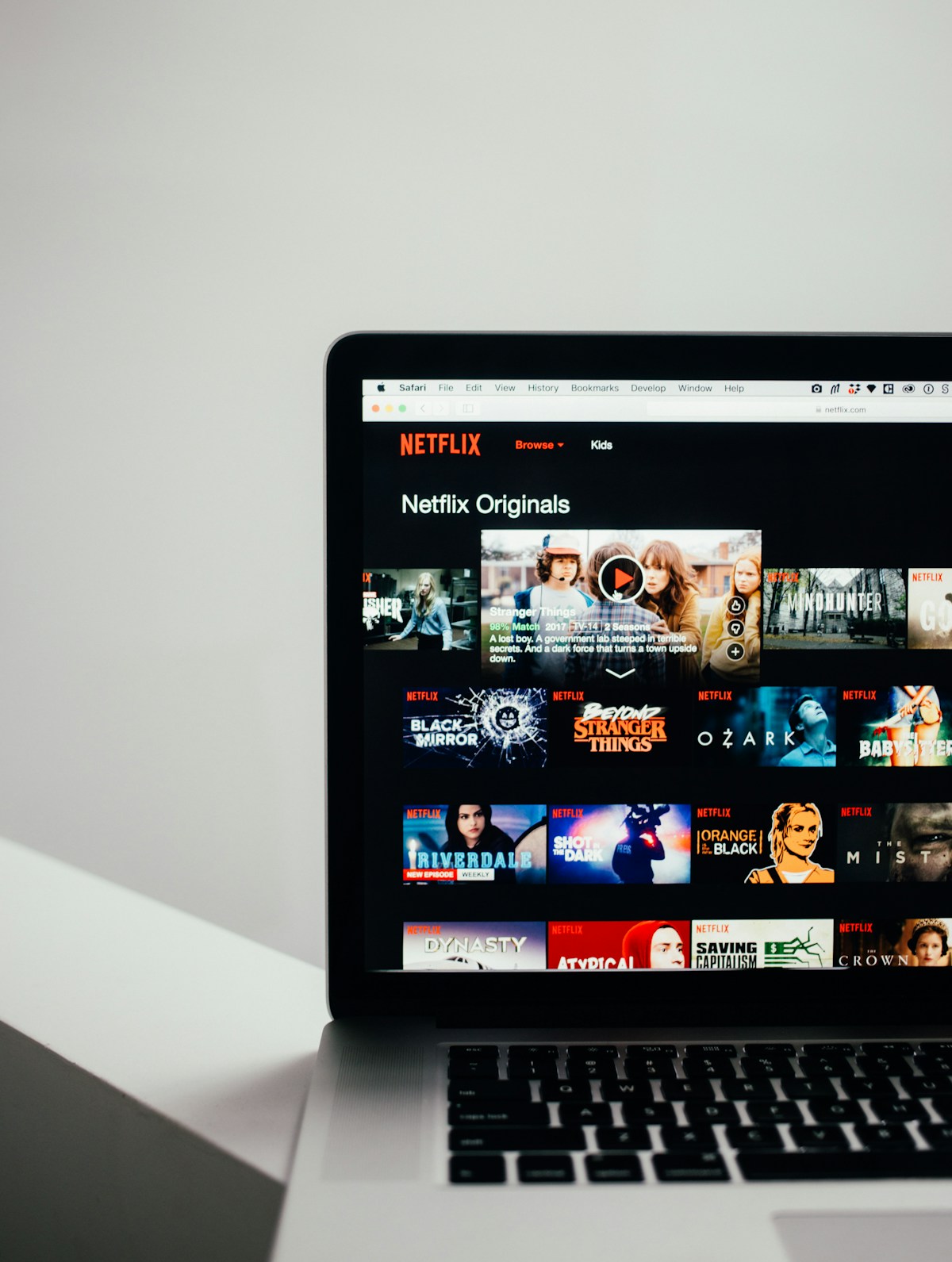
One executive compared the session unfavorably to a recent Netflix visit, which offered "a celebratory roadmap" with specific plans and timelines. Ellison's presentation felt more like a pitch deck from someone who hasn't actually run a legacy media company through the streaming transition. Skydance makes good movies, sure, but integrating Paramount, Warner Bros., HBO, CBS, and CNN into a functioning entity? That's a different skill set.
The clock is ticking - literally. aims to close the deal by Q3 2024, but if they miss the September 30 deadline, they owe shareholders an additional 25 cents per share every quarter. That's the kind of financial pressure that makes a luxury they can't afford.