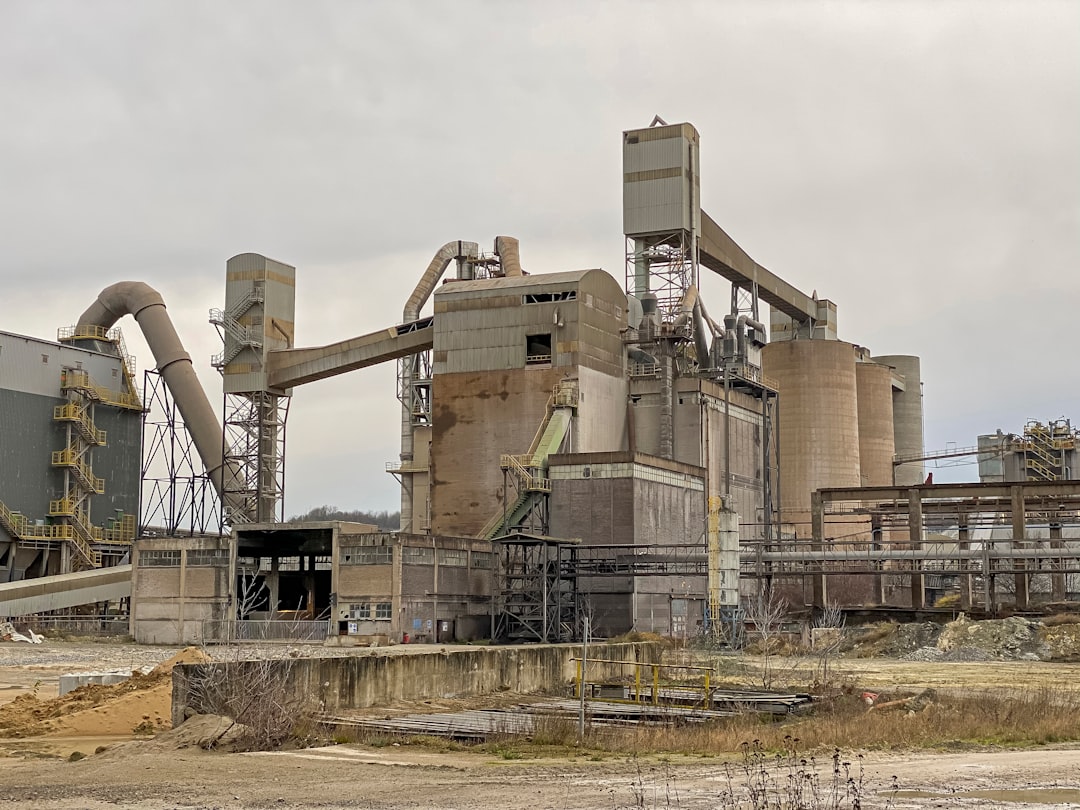

A data center drained 30 million gallons of water without reporting or paying for it, an investigation has revealed, highlighting the hidden environmental costs of artificial intelligence infrastructure expansion.
The volume—equivalent to roughly 45 Olympic-sized swimming pools or enough water to supply approximately 300 households for an entire year—was extracted from local water systems to cool servers processing AI workloads, according to findings reported by Yahoo News.
The case underscores growing concerns about AI's physical footprint as tech companies race to build massive data center complexes. These facilities require enormous quantities of water for cooling systems that prevent servers from overheating during intensive computational tasks like training large language models.
"The hidden costs of the tech boom are becoming impossible to ignore," environmental advocates noted, pointing to water consumption as a critical but often overlooked dimension of AI sustainability debates. While carbon emissions from data centers receive significant attention, water usage patterns remain largely unregulated and unreported.
In climate policy, as across environmental challenges, urgency must meet solutions—science demands action, but despair achieves nothing. The data center water drainage case demonstrates that technological advancement must account for resource constraints, particularly in regions facing water scarcity.
The regulatory angle proves especially significant. The facility's failure to report or pay for water usage suggests gaps in oversight mechanisms as data center construction accelerates globally. Many jurisdictions lack comprehensive frameworks requiring tech infrastructure operators to disclose resource consumption or obtain permits for large-scale water extraction.
Water stress affects approximately two billion people globally, according to the United Nations, making data center water consumption a climate justice issue. As AI capabilities expand—driving demand for more computational power and consequently more cooling—competition for freshwater resources intensifies.
Tech companies including Microsoft, Google, and Amazon have pledged water positivity commitments, promising to replenish more water than their operations consume. However, the 30 million gallon drainage incident reveals enforcement challenges and the difficulty of tracking actual usage versus stated sustainability goals.
Experts advocate for several policy interventions: mandatory water usage reporting for large data centers, requirements to use recycled or non-potable water for cooling systems, and geographic restrictions preventing data center construction in water-scarce regions. Some jurisdictions have already implemented such measures, with Singapore imposing a moratorium on new data centers due to energy and water constraints.
The incident also raises questions about who bears the cost of AI infrastructure's environmental impact. While tech companies profit from AI services, surrounding communities often absorb the resource depletion and environmental degradation without compensation or input on facility siting decisions.
Cooling technology innovation offers potential solutions, including air cooling systems, immersion cooling using non-water liquids, and heat recycling to warm nearby buildings. However, these alternatives require upfront investment that many operators resist absent regulatory requirements.