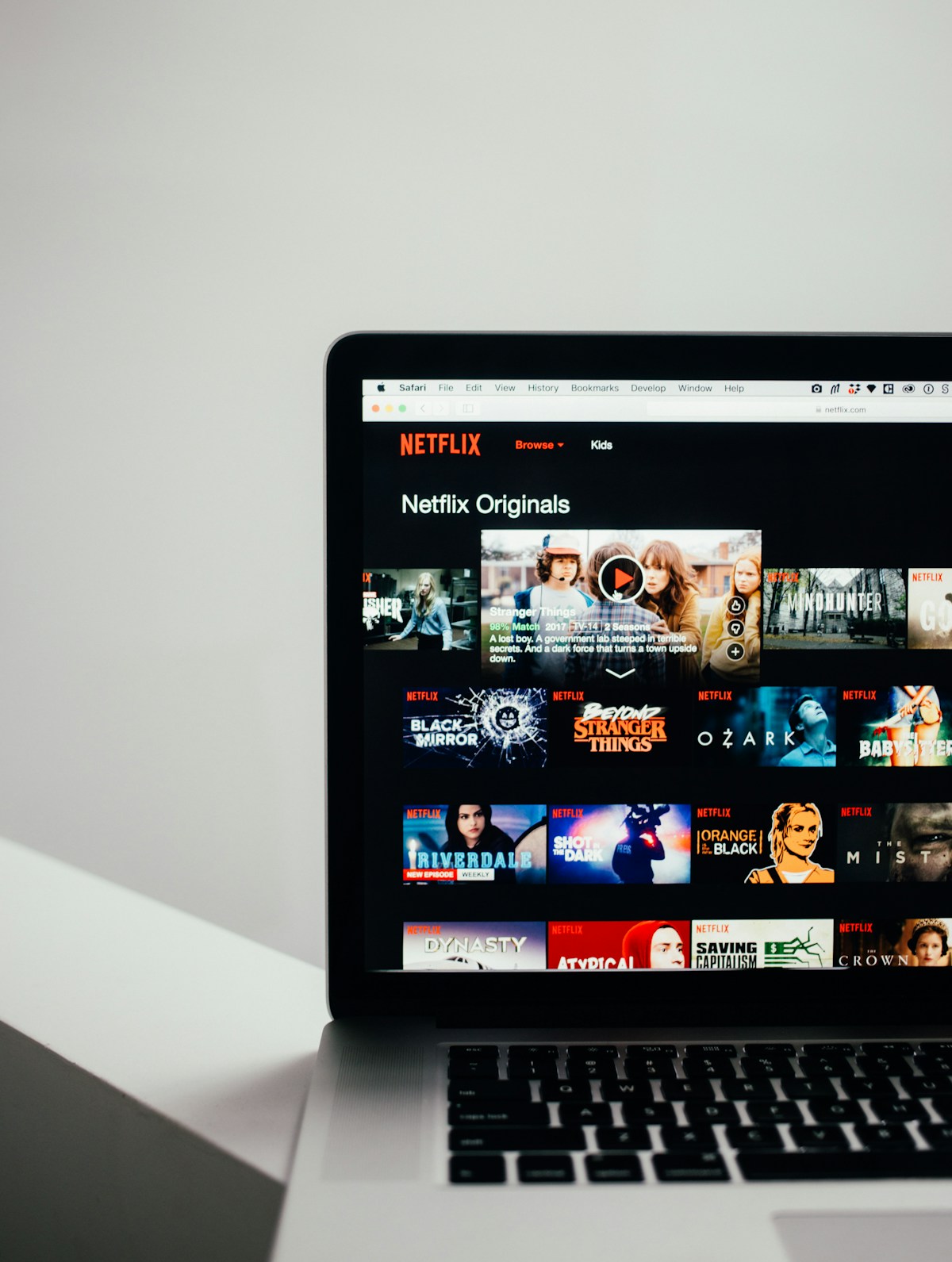

Crunchyroll, the anime streaming giant beloved by millions for finally making it legal to watch Attack on Titan, is now facing a class action lawsuit for allegedly sharing users' viewing habits with third parties. Which raises an obvious question: Who exactly needs to know that someone watched 47 consecutive episodes of One Piece at 3 AM?According to Anime Corner, the lawsuit claims Crunchyroll disclosed detailed viewing data to third parties without proper user consent, potentially violating privacy laws. The complaint alleges that the company shared information about what users watched, when they watched it, and for how long—essentially a complete behavioral profile of your anime consumption.Now, Crunchyroll will likely argue this is standard industry practice for targeted advertising and service improvement. And they're not wrong—every streaming platform does some version of this. But there's a difference between anonymized aggregate data ("users who like shonen anime also enjoy isekai") and granular individual viewing histories that could theoretically identify you.The lawsuit's timing is notable. Streaming platforms have spent years conditioning us to accept surveillance as the price of convenience. Netflix knows your viewing habits. Spotify knows your music taste. YouTube knows... well, everything. We've collectively shrugged at this Faustian bargain because the content was cheap and the algorithm was good.But the anime community tends to be more privacy-conscious than most, partly because many fans came of age in the era of fansubbing and peer-to-peer distribution, where anonymity was protection. Crunchyroll itself was born from that culture before going legit in 2009. The idea that the platform might be monetizing your viewing data feels like a betrayal of those roots.The broader issue here isn't just Crunchyroll—it's what all streaming platforms are doing with viewing data. When you cancel a show after one episode, they know. When you binge a series in a single weekend, they know. When you rewatch the same comfort show for the fifth time, they definitely know. And increasingly, that data isn't just for improving recommendations—it's a product being sold to advertisers, studios, and data brokers.California's privacy laws (likely the basis for this lawsuit) are among the strongest in the nation, requiring explicit consent for sharing personal data. But enforcement has been spotty, and most users click through privacy policies without reading them. Which is how we end up with situations where a streaming service knows more about your viewing habits than your actual friends do. hasn't publicly responded to the lawsuit yet, but expect the standard playbook: deny wrongdoing, claim everything was in the terms of service, maybe update the privacy policy going forward. Whether this leads to meaningful change or just another round of legal fees remains to be seen.In , nobody knows anything—except me, occasionally. And here's what I know: If you're watching anime at 3 AM, you probably don't want that information shared with anyone. Not advertisers, not data brokers, and definitely not your employer's HR department.
|