
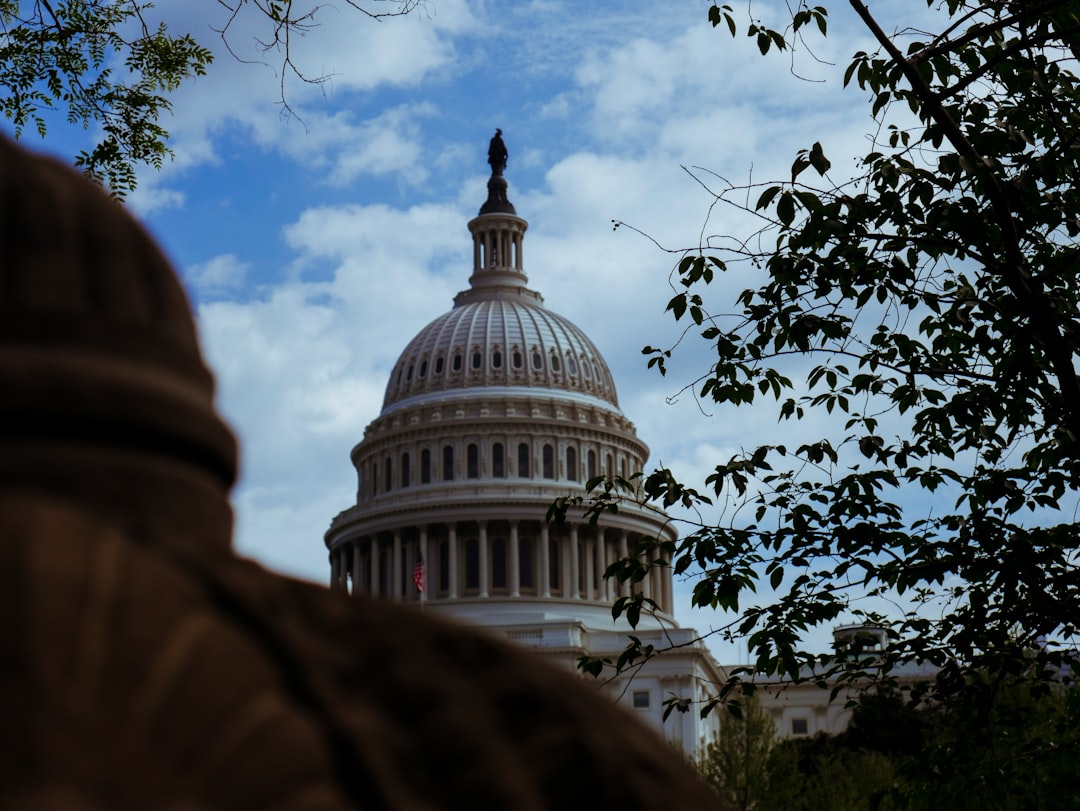
In a rare display of bipartisan unity, congressional leaders from both parties are moving to block President Trump's latest tariff escalation, signaling that corporate America's lobbying blitz is resonating on Capitol Hill.
Republican Representative Don Bacon of Nebraska stated Friday that Trump's new 15% global tariff order "will be defeated" by Congress, reflecting growing concern among lawmakers about economic fallout in their districts. The statement marks a significant break from typical partisan dynamics, with Republicans openly challenging their own party's president on economic policy.
Follow the Money
The bipartisan alignment isn't driven by principle—it's driven by pressure from corporate donors screaming about supply chain costs. Major business lobbying groups including the U.S. Chamber of Commerce, National Retail Federation, and Business Roundtable have launched aggressive campaigns to convince lawmakers that tariffs threaten jobs and competitiveness.
Manufacturers with complex supply chains are particularly vocal. Automotive companies, electronics firms, and industrial manufacturers have delivered a consistent message to lawmakers: tariffs raise costs, reduce exports through retaliatory measures, and ultimately destroy American jobs. When major employers in swing districts start talking about layoffs, politicians pay attention.
The agricultural sector adds another powerful voice. Farmers in states like Iowa, Nebraska, and Kansas suffered during the previous trade war as retaliatory tariffs from China devastated soybean and pork exports. Republican senators from these states face intense pressure from constituents who've seen commodity prices crater when trade wars escalate.
The Legislative Path
Congress has several options to block or limit tariff authority. The most direct approach would be a Congressional Review Act resolution disapproving Trump's executive order. This requires simple majorities in both chambers but faces a likely presidential veto, meaning a two-thirds override vote would be necessary—a high bar but potentially achievable given the breadth of opposition.