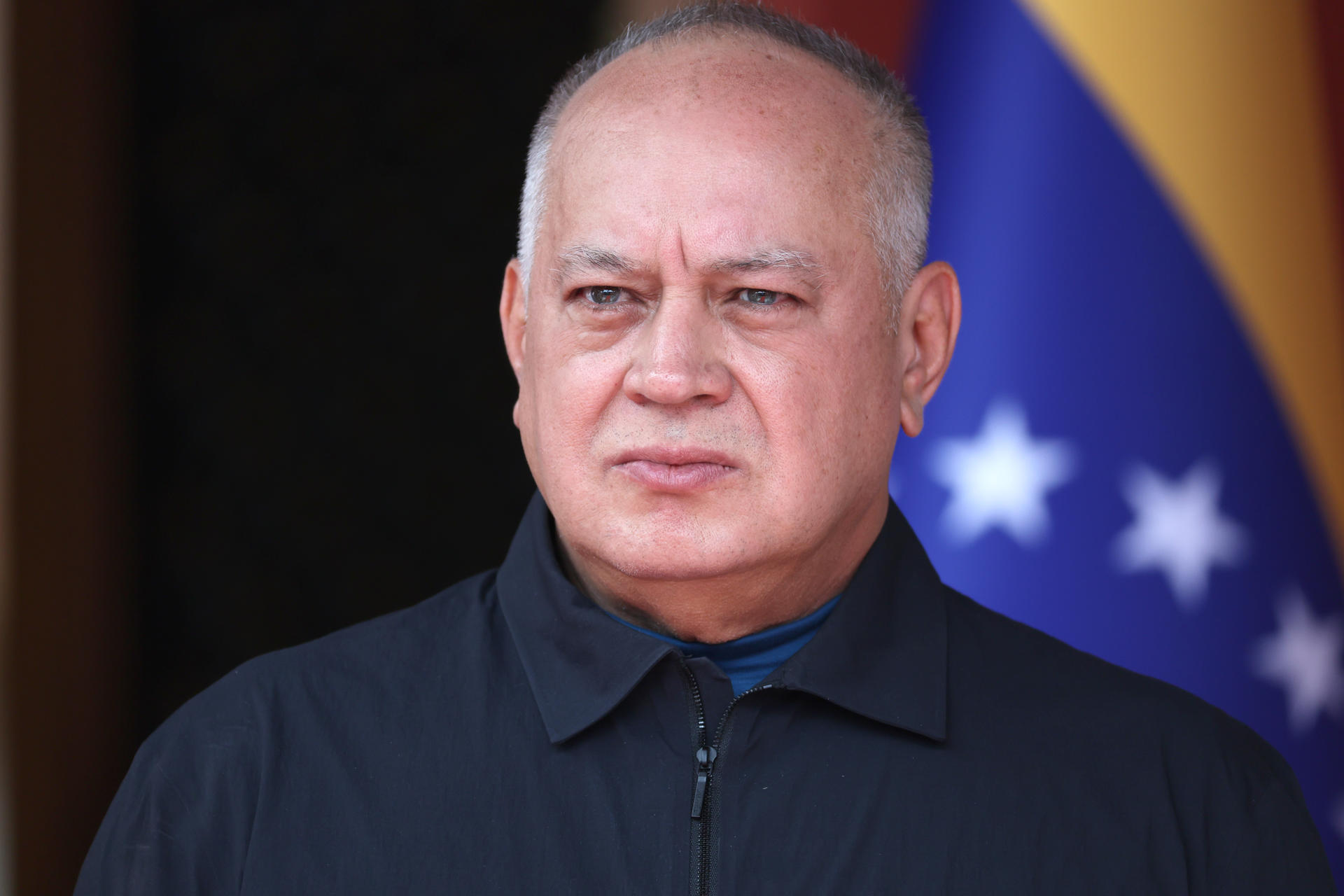
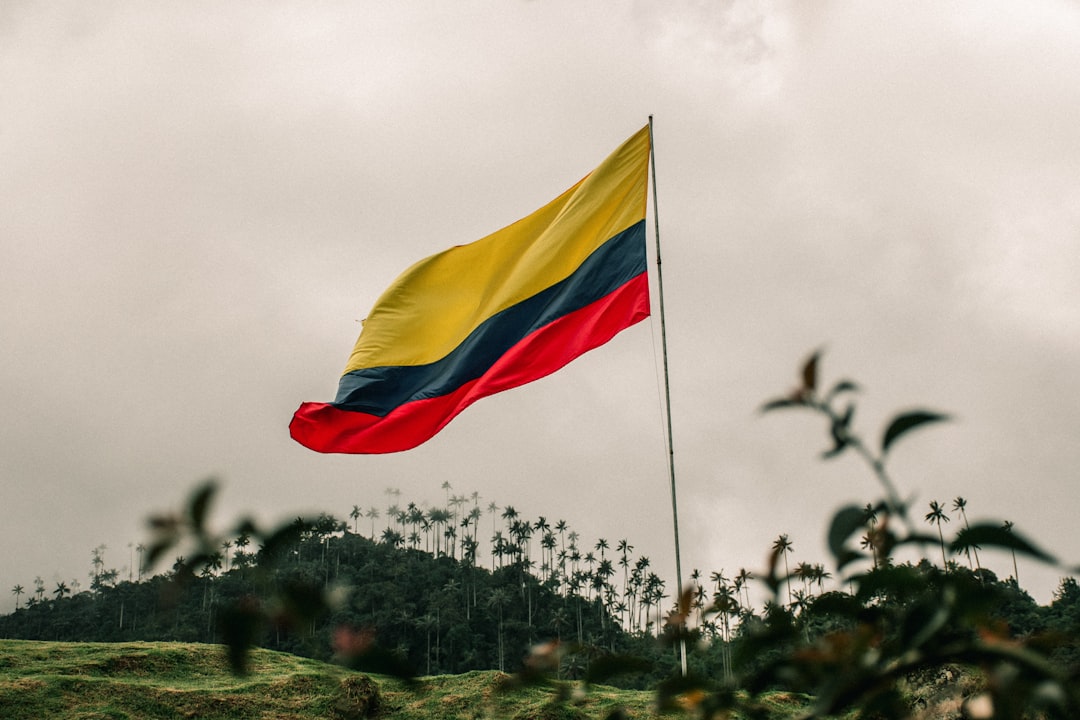
Colombia holds congressional elections today in a vote that will determine President Gustavo Petro's ability to govern his final two years, as voters weigh guerrilla resurgence, healthcare collapse, and economic stagnation against the peace-and-reform agenda they endorsed in 2022.
The elections test whether Colombians still support the transformative vision that brought the country's first leftist president to power, or whether implementation failures and security deterioration have shifted sentiment rightward—mirroring broader regional political oscillation between left and center-right governments.
Security concerns shadow voting
The election occurs as armed groups face pressure from multiple directions. Ecuador's hardline president Daniel Noboa has intensified border security, while U.S. operations in Venezuela squeeze traditional safe havens for Colombian guerrilla forces. The National Liberation Army (ELN) and dissident FARC factions have expanded operations in rural areas where the state's peace implementation efforts have faltered.
In former conflict zones, voters report intimidation attempts by armed groups seeking to influence congressional representation. The dynamic illustrates how peace—as I've long maintained—is not an event but a process requiring patience, investment, and political will.
Economic frustration meets reform fatigue
Voters express deep frustration with economic conditions. Colombia ranks 97th globally in worker productivity, half that of Chile and Uruguay, while resource depletion threatens development trajectories. Oil and gas reserves decline as coal demand weakens globally, exposing structural vulnerabilities that explain why the promised peace dividend never materialized.
The government's healthcare reform—intended as a signature achievement—has instead become a political liability, with the system now facing $32.9 billion in debt, emergency room closures, and medication shortages.
Fragmentation complicates governance