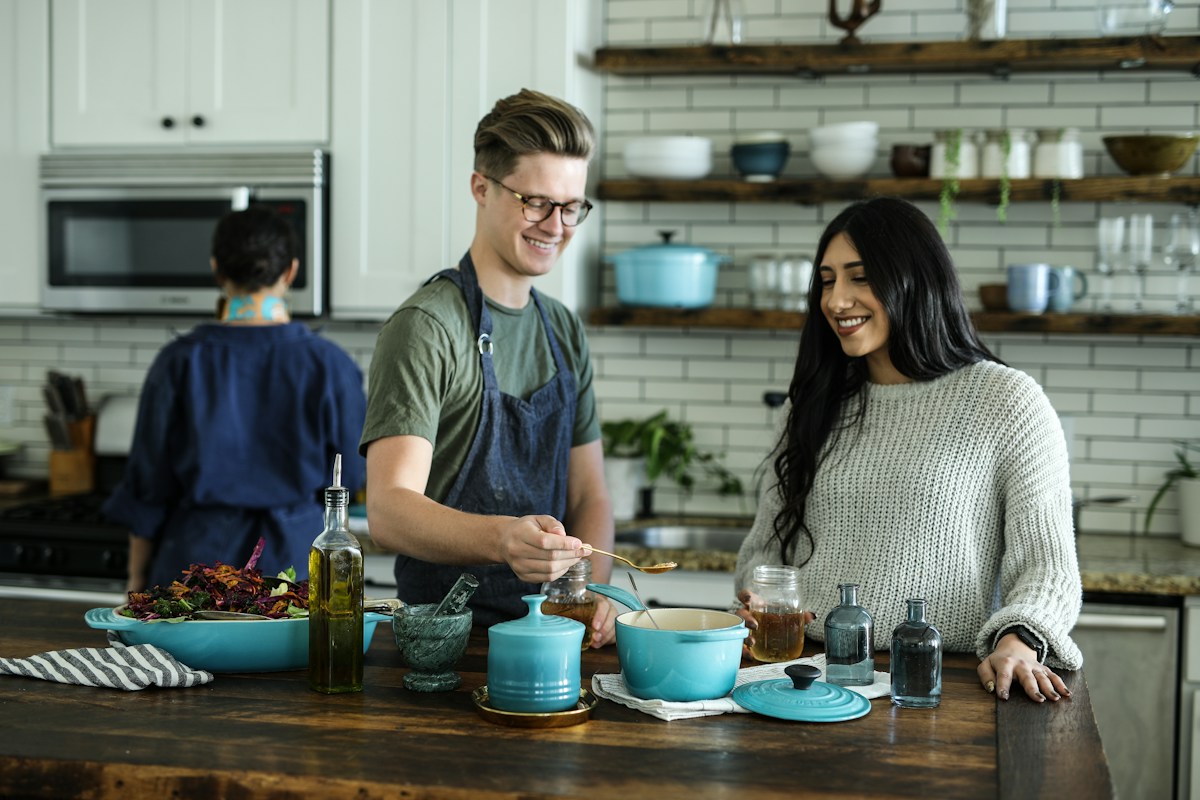
After trying meal-inclusive co-living for the first time in rural Colombia, a long-term nomad discovered they were eating healthier and focusing better on work—without the mental load of daily food decisions. The model remains rare but is growing, especially in Latin America and Southeast Asia, offering whole foods and community dining as competitive advantages.
Most co-living spaces compete on location, price, and amenities like fast wifi and ergonomic desks. But prepared meals as an included benefit addresses one of digital nomadism's most underreported pain points: the daily grind of feeding yourself while working full-time in unfamiliar places.
"I've stayed at co-livings around the world, but, until my current space in a small Colombian village outside Bogota, never one with prepared meals," one nomad posted on Reddit. "It's been a welcomed twist: I focus on work without worrying about food, and I eat healthier (more whole foods, fewer processed carbs/meats) than any time in my 5+ years on the road."
The challenge of eating well as a nomad is often invisible to non-travelers. Cooking requires:
• Finding grocery stores and navigating unfamiliar ingredients/brands • Buying quantities that make sense for short stays (most things come in sizes for families, not solo travelers staying 4-6 weeks) • Having adequate kitchen facilities (many co-livings and hostels offer minimal cooking equipment) • Time and energy after full workdays
The alternative—eating out every meal—becomes expensive and nutritionally questionable. Restaurant food, even in affordable countries, tends toward high-carb, high-fat options. The $5-8 daily savings from cooking yourself evaporates if you're too tired or busy to do it.
Meal-inclusive co-living solves this by providing 1-2 prepared meals daily, typically family-style communal dinners and sometimes breakfasts. The meals tend to emphasize whole foods and local ingredients, since co-livings can buy in bulk and prepare efficiently.
The benefits extend beyond nutrition:
Mental load reduction - Eliminating "what should I eat?" decisions three times daily frees cognitive resources for actual work. Decision fatigue is real, and nomads already make dozens of daily micro-decisions about logistics.
Community building - Shared meals create natural social opportunities without forced networking events. Conversations happen organically over food.
Cultural immersion - Co-livings in Latin America and Southeast Asia often prepare local cuisine, exposing nomads to authentic regional food without navigating restaurant menus.
Cost predictability - Meals included in monthly rates (typically $800-1,500 total depending on location) make budgeting simpler and often cost less than the combined expense of groceries plus eating out.
The model remains uncommon, concentrated in specific regions and property types:
Latin America - Colombia, Costa Rica, and Mexico have several meal-inclusive co-livings, particularly in smaller towns and rural areas where local food costs are low and community-oriented culture supports shared dining.
Southeast Asia - Bali, Chiang Mai, and Thailand islands offer some options, often positioned as "wellness" or "retreat" co-livings with vegetarian/vegan meal programs.
Europe - Less common due to higher food and labor costs, though some properties in Portugal and Spain offer meal plans as optional add-ons.
When researching meal-inclusive co-livings, nomads should verify:
• How many meals? Two meals daily (breakfast and dinner) is ideal; one meal requires self-sufficiency for the rest • Dietary restrictions - Can they accommodate vegetarian, vegan, allergies? • Meal quality - Are meals genuinely nutritious or just cheap carbs? Check reviews and ask for sample menus • Flexibility - What happens if you skip meals due to travel or social plans? Some co-livings offer meal credits or flexibility.
The trend reflects broader evolution in the co-living market. As digital nomadism matures beyond the backpacker phase, wellness and sustainability become differentiators rather than just location and price.
Nomads in their 30s and 40s, especially those traveling long-term, increasingly prioritize health and work-life balance over maximizing low prices and party scenes. Meal-inclusive co-livings serve this demographic shift.
For co-living operators, offering meals requires more operational complexity—hiring cooks, managing food supply chains, accommodating dietary needs—but creates strong competitive positioning in an increasingly crowded market. Properties that solve the "what's for dinner?" problem build loyal communities and command premium pricing.
The best travel isn't about the destination - it's about what you learn along the way. And sometimes what you learn is that the best productivity hack is simply eating real food without thinking about it.