For chronic overpackers, the idea of fitting a week's worth of travel into a single 45-liter backpack sounds less like minimalism and more like masochism. But a recent trip report from a self-described "chronic overpacker" proves it's not only possible—it's liberating.
The traveler documented their first successful onebag journey to Eastern Europe using a Patagonia MLC 45L, providing a detailed breakdown that offers practical guidance for anyone trying to break the overpacking habit. The psychology shift, they noted, was harder than the actual packing.
"As a chronic overpacker, I really wanted to get into onebag travel," they wrote on r/onebag. "I probably could do better still, so please have mercy while I'm still adjusting to the mindset."
That mindset shift is precisely where most aspiring minimalist travelers struggle. Overpacking isn't usually about needing more stuff—it's about fear. Fear of not having the right outfit, the right gear, the right "just in case" item. The solution isn't just packing less; it's reframing what "enough" means.
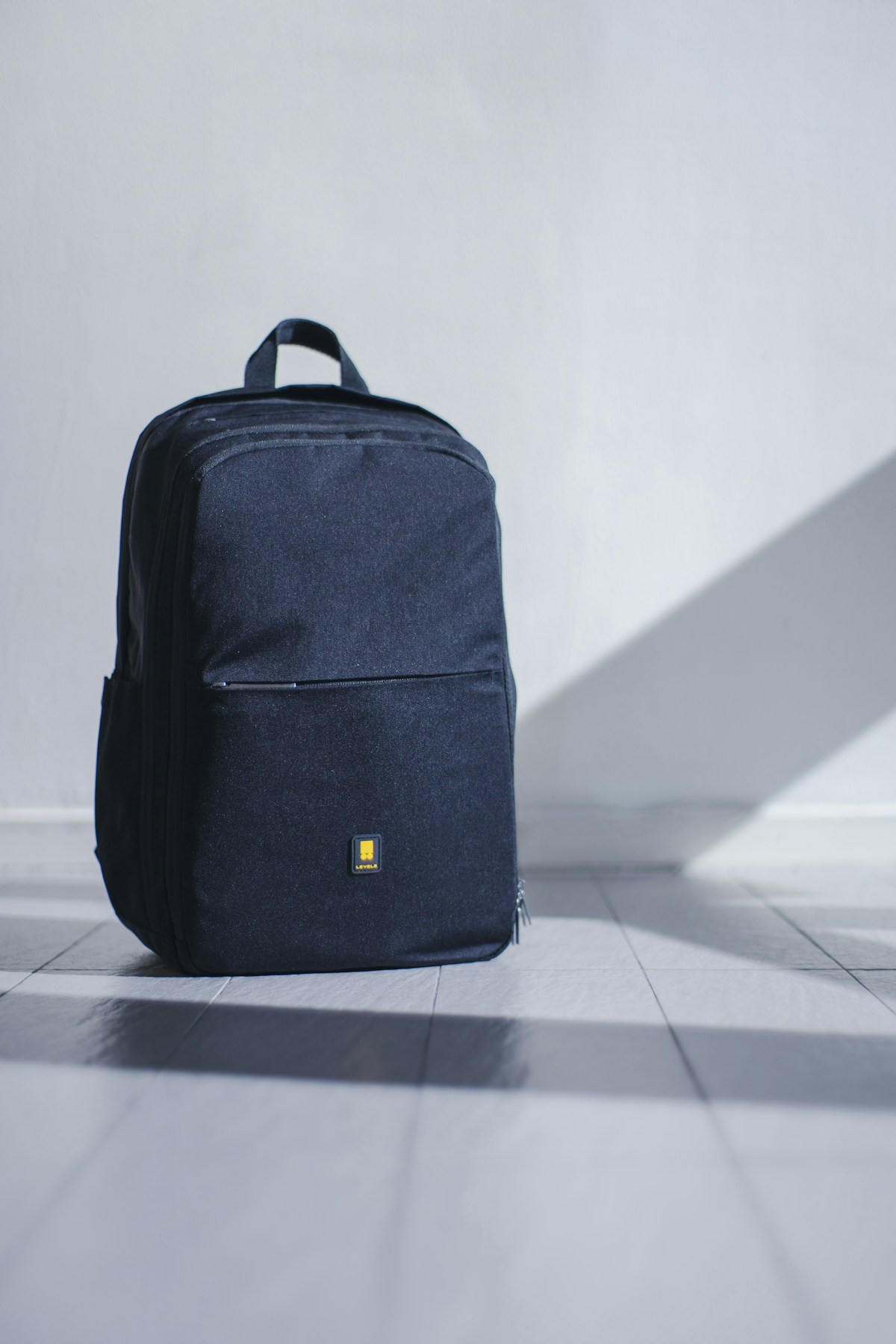
For their six-day trip, the traveler packed remarkably light by overpacker standards: six pairs of socks and underwear, six t-shirts, two nicer shirts for planned dinners, one warm vest, one jacket, and one pair of pants. They also brought a complete sports set including running shoes, plus a 13-inch laptop, Kindle, and charging accessories. The total: a 45-liter bag weighing 2.2kg (4.85 lbs) empty.
Several elements of this packing strategy stand out as particularly smart for first-time onebagging:
The One-to-One Rule: They packed exactly one pair of socks and underwear per day, eliminating the "what if" spiral that leads to packing ten pairs for a three-day trip. For longer journeys, experienced onebaggers typically pack 3-4 pairs and do laundry, but for a week, this approach works perfectly.
The Occasion-Based Approach: Instead of packing multiple outfit options, they identified specific needs (two nice dinners) and packed accordingly. This prevents the "I might want options" trap that fills suitcases with unworn clothes.
The Sports Set Strategy: Rather than packing athletic clothes that could double as everyday wear, they brought a dedicated exercise outfit. For some travelers this might seem like wasted space, but if fitness is a priority, having proper gear prevents the excuse of "I didn't have the right clothes to work out."
The Presents Problem: They packed eight chocolate bars and a Kindle as gifts. This is where many first-time onebaggers stumble—they nail the personal packing but forget about gifts, souvenirs, or items they need to bring to their destination. Planning for this from the start prevents overstuffing on the return journey.
Experienced onebag travelers offered validation in the comments, with many noting that first attempts are always learning experiences. Common suggestions for optimization included reducing the number of t-shirts (since they can be washed in a sink and dried overnight), choosing shoes that work for both running and casual wear, and embracing the fact that nobody notices if you wear the same pants every day while traveling.
The real insight came from veteran minimalist travelers who emphasized that onebag travel isn't about deprivation—it's about freedom. Freedom from checked bag fees, from waiting at luggage carousels, from lugging heavy bags up hostel stairs, from anxiety about lost luggage. One commenter perfectly captured the mindset shift: "You're not packing less. You're packing exactly what you need."
For travelers considering their first onebag trip, the Patagonia MLC 45L proved an excellent choice—large enough to not feel restrictive, small enough to force discipline, and well-designed with organization features that prevent the bag from becoming a chaotic mess.
The psychological journey from overpacker to onebagger isn't instantaneous. It requires trust: trust that you can buy forgotten items at your destination, trust that you can wear clothes more than once, trust that the perfect outfit matters far less than you think it does.
As this trip report demonstrates, the hardest part of onebag travel isn't the packing. It's giving yourself permission to pack less. Once you make that mental shift, fitting your life into 45 liters becomes not just possible, but preferable.