Beijing has issued its strongest warning yet about the escalating conflict in the Middle East, calling on the United States and Israel to immediately halt military operations and warning that continued strikes risk triggering a "vicious cycle" of regional destabilization.
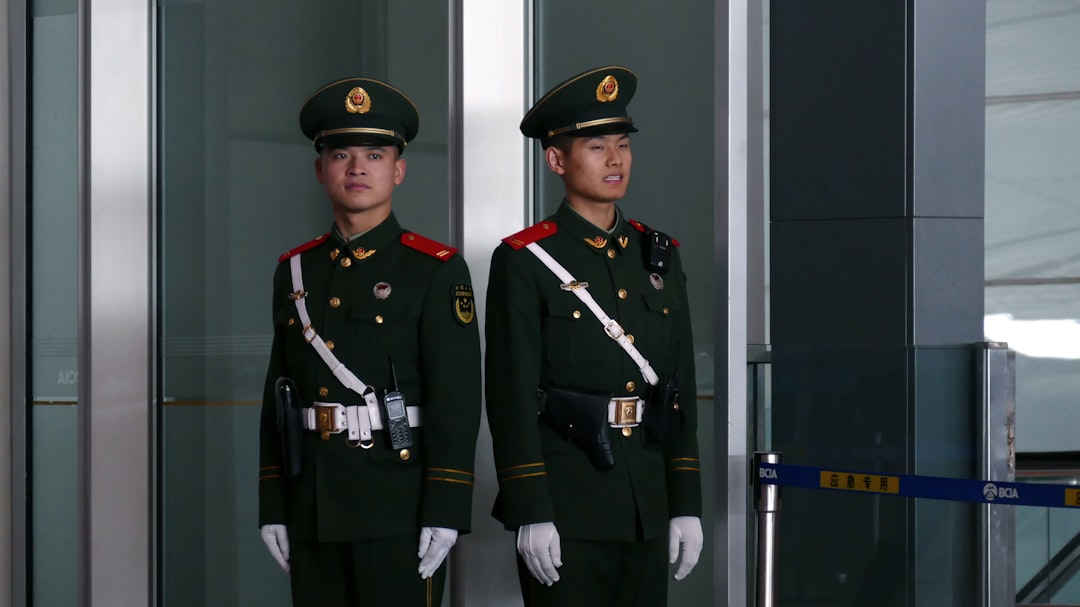
The statement from China's Foreign Ministry represents Beijing's most assertive intervention in the crisis to date, positioning the world's second-largest economy as an alternative diplomatic voice to Washington in a region where American influence has historically dominated.
"The continued military escalation serves no one's interests and threatens to drag the entire region into a cycle of violence from which there may be no easy exit," Foreign Ministry spokesman Wang Wenbin told reporters in Beijing on Sunday. "We call on all parties to exercise maximum restraint and return to the path of dialogue and negotiation."
The intervention comes as China has worked methodically over the past three years to expand its diplomatic footprint in the Middle East, positioning itself as a mediator and economic partner less encumbered by the historical baggage that complicates Western engagement in the region. The 2023 China-brokered rapprochement between Saudi Arabia and Iran demonstrated Beijing's capacity to achieve diplomatic outcomes that eluded Washington for decades.
To understand today's headlines, we must look at yesterday's decisions. China's growing role in Middle Eastern diplomacy did not emerge spontaneously. It reflects a calculated strategy to position itself as an indispensable economic partner—through investments—and a politically neutral mediator uncomplicated by alliance commitments to either or states.