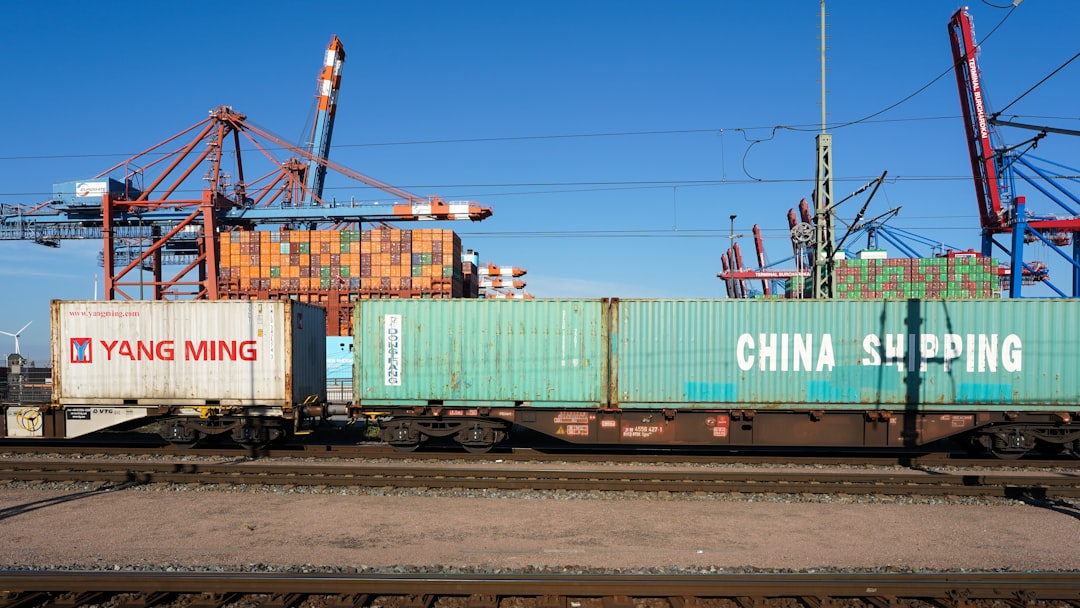
China's trade surplus surged to a record high in the first two months of 2026, with exports jumping 12.3% year-over-year as manufacturers rushed to ship goods ahead of threatened U.S. tariff increases—a massive front-running operation that economists warn could fuel inflation and distort global supply chains.
The combined January-February trade surplus hit $185 billion, shattering the previous record and far exceeding analyst expectations of $142 billion. Exports totaled $623 billion while imports grew a modest 3.1%, highlighting the imbalance between China's export machine and its domestic consumption.
Electronics, automotive parts, and consumer goods drove the export surge, with particularly strong growth in shipments to the United States and Europe. The data suggests that both Chinese exporters and foreign importers are stockpiling inventory ahead of the Trump administration's proposed 60% tariff on Chinese goods, effectively pulling forward months of future demand.
"This is classic tariff front-running," said Brad Setser, senior fellow at the Council on Foreign Relations and former Treasury economist. "U.S. retailers are filling warehouses now because they assume prices will be 60% higher in six months. The problem is that you can't keep doing that—eventually the pipeline fills up and orders collapse."
The phenomenon has worrying parallels to early 2018, when similar pre-tariff stockpiling created a temporary export boom followed by a sharp contraction. But this time the scale is larger and the potential tariff rates are more punitive, which could make the eventual correction more severe.
For China, the export surge provides a temporary cushion against a sluggish property sector and weak consumer spending. The government has made clear that supporting exporters is a top priority as it seeks to maintain employment and economic growth above the politically sensitive 5% threshold.
But the trade data also complicates diplomatic position. The record surplus will likely fuel arguments that is flooding global markets and justifies aggressive tariff action. Treasury Secretary has already cited trade imbalances as evidence of Chinese practices.