
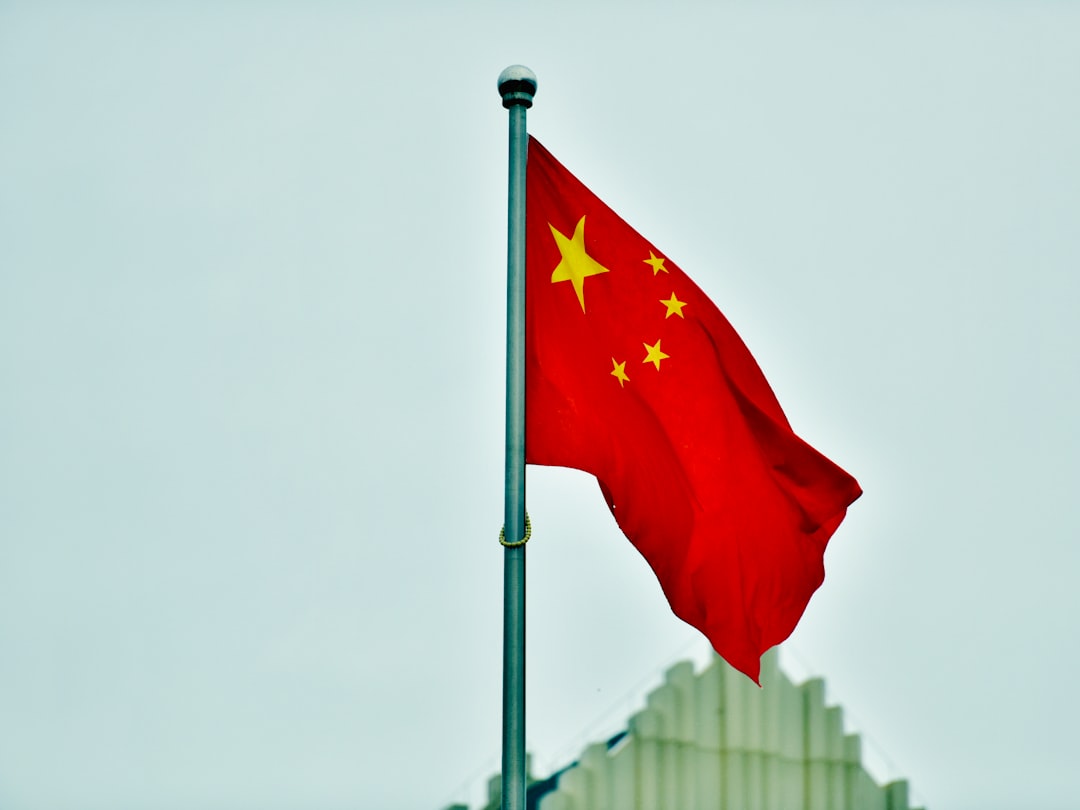
Beijing announced a $250,000 humanitarian donation to families of victims from recent U.S. and Israeli strikes on Iran, a measured response that underscores China's deliberate restraint in Middle East conflicts even as tensions with Washington escalate.
The donation, channeled through the Chinese Red Cross to Iranian civil society organizations, represents what Chinese officials characterized as "humanitarian assistance" rather than political or military support. The announcement came via a brief Foreign Ministry statement that avoided direct criticism of American military actions while expressing "concern" over civilian casualties.
In China, as across Asia, long-term strategic thinking guides policy—what appears reactive is often planned. The modest scale of China's response reveals priorities that diverge sharply from rhetorical solidarity. Beijing's carefully calibrated announcement arrives just weeks before President Xi Jinping is scheduled to host former President Donald Trump at a summit expected to address trade tensions and technology competition.
Chinese state media coverage of the Iran strikes has been notably restrained compared to previous U.S. military actions in the region. Xinhua and People's Daily ran factual reports without the inflammatory commentary that typically accompanies coverage of American overseas interventions. This editorial discipline reflects directives from the Central Committee's propaganda apparatus to avoid escalating rhetoric that could complicate the upcoming Xi-Trump meeting.
The $250,000 figure—equivalent to approximately 1.8 million yuan—is symbolically significant but materially limited. For context, China provides billions in development financing across the Middle East and maintains extensive energy partnerships with Iran. The restrained donation signals that Beijing views the Iran situation through a pragmatic rather than ideological lens.
Chinese diplomatic doctrine since the Zhou Enlai era has emphasized non-interference in other states' internal affairs and avoiding entanglement in conflicts that could jeopardize domestic stability or economic development. While China and Iran coordinate on opposing U.S. unilateral sanctions and share strategic interests in challenging American hegemony, their relationship lacks the binding security commitments that characterize formal alliances.