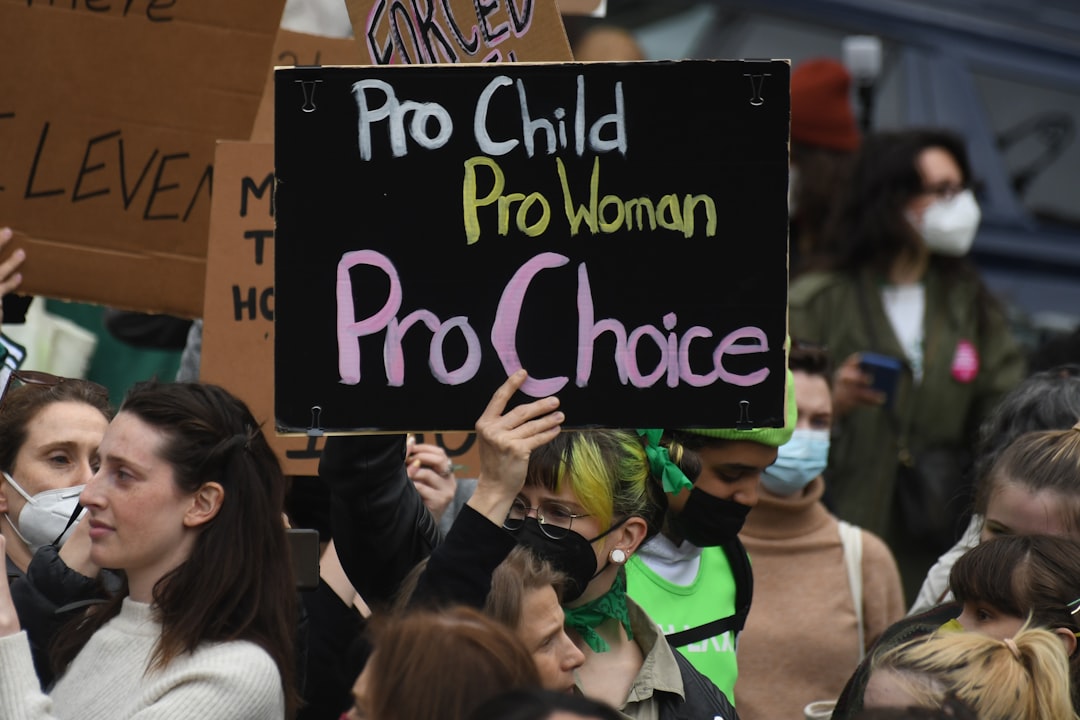
The New Zealand Law Society has raised serious concerns about a Policing Amendment Bill that could give police sweeping new powers to restrict political protests, RNZ reports.
The bill, currently before Parliament, would expand police authority to designate areas as restricted zones and impose conditions on gatherings with relatively low thresholds. The Law Society's submission argues this could fundamentally undermine the right to peaceful assembly.
Here's what's got civil liberties advocates worried: the bill would allow police to restrict protests based on concerns about disruption to traffic or business, not just genuine public safety threats. That's a significant expansion of power that could be used to shut down legitimate political expression.
The Law Society's concerns are specific and technical. They point to vague language around what constitutes sufficient grounds for restriction. They note the lack of robust appeal mechanisms when police designate an area off-limits. They highlight that the bill doesn't require police to demonstrate proportionality between the restriction and the supposed harm.
In other words, it's a lawyer's way of saying: this bill would let police shut down protests pretty much whenever they feel like it, with minimal oversight and weak justification requirements.
The government's counter-argument is that New Zealand has seen protests that genuinely disrupted public order and emergency services. They cite the Wellington Parliament grounds occupation, which lasted weeks and tied up significant police resources. They argue that clearer powers are needed to prevent similar situations.
Fair point. The Parliament occupation was a genuine problem that existing laws struggled to address quickly. But the Law Society's response is that you don't solve one difficult situation by creating powers that could suppress ordinary political protest.
The bill would put New Zealand in line with some jurisdictions that have tightened protest laws in recent years. Australia has seen similar debates, particularly around climate protests that block roads or disrupt resource projects. The question is always the same: where's the line between maintaining public order and protecting democratic rights?