
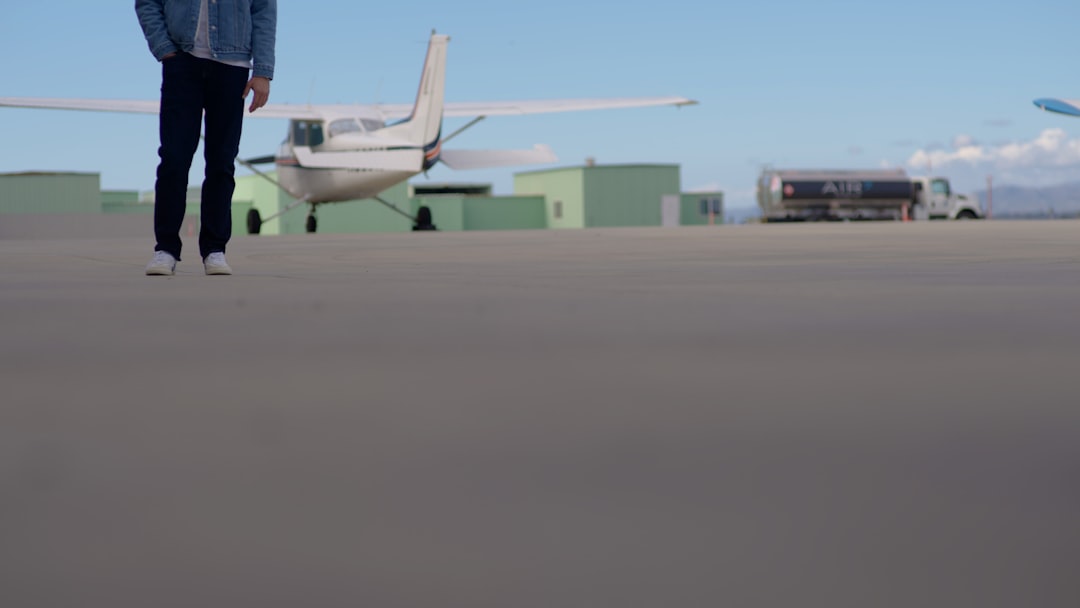
China has ordered its oil refiners to halt all fuel exports, with at least two jet fuel cargoes bound for Australia already affected in what experts are calling a "deeply worrying" development for the nation's aviation sector.
The move comes as Australia imported approximately 32% of its jet fuel from China in 2025, according to analysis from The Conversation. With no domestic refinery capacity at major airports like Sydney, the nation now faces a strategic vulnerability that could ground flights if the export ban continues.
Mate, there's a whole continent down here completely reliant on fuel imports. And right now, our biggest supplier just turned off the tap.
Sydney Airport's CEO confirmed the facility is "completely reliant on jet fuel imports" with zero refinery capacity, making any export restrictions "extremely concerning." Australia currently holds a strategic jet fuel stockpile of just 29-32 days—approximately 802 million litres—falling well short of the International Energy Agency's required 90-day stockpile obligation.
The Chinese decision follows reduced oil supplies due to the Iran conflict and attacks on tankers in the Strait of Hormuz. Asia receives up to 90% of its oil from the Middle East, creating a cascading effect as Australia now must compete with other nations for alternative suppliers in South Korea, Taiwan, Singapore, , and —all facing the same Middle East supply pressures.