While American markets were busy panicking about Iran, China's tech giants quietly dropped a coordinated wave of frontier AI models that cost a fraction of what U.S. companies charge. And if the Reddit crowd is right about the numbers, this could be the moment U.S. chip export restrictions officially backfired.
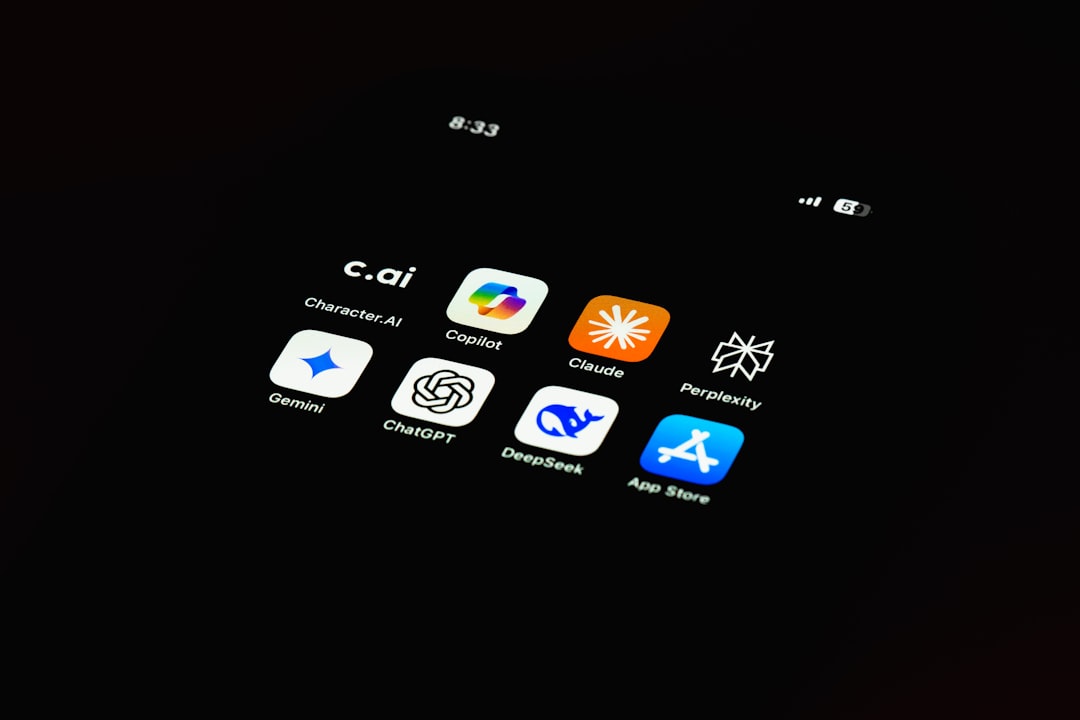
Here's what happened: During Chinese New Year, Alibaba, Baidu, ByteDance, Tencent, and a bunch of startups all released major AI model updates within days of each other. We're talking trillion-parameter models - comparable to what OpenAI and Anthropic are building.
The scale is legitimately wild. Baidu's ERNIE 5.0 hits 2.4 trillion parameters. Moonshot AI's Kimi K2.5 weighs in at 1.04 trillion and is fully open sourced. Over 700 generative AI services are now commercially deployed in China. Baidu alone claims 200 million monthly active users on their AI platform.
But the real story - the part that should have U.S. investors paying attention - is pricing. These Chinese models are charging $0.05 to $0.15 per million tokens for API access. That's roughly 1/20th of comparable Western pricing. Alibaba's Qwen 3.5 apparently activates only 4% of its parameters per inference through some sparse architecture magic, which is how they're hitting those price points.
Now, I need to caveat this hard: I'm relying on a Reddit post for these technical claims, and the editor specifically flagged this story to verify with independent sources. But even if the numbers are directionally correct rather than precisely accurate, the strategic implications are huge.
Here's the investment thesis: U.S. chip export restrictions were supposed to slow down Chinese AI development. Instead, they forced Chinese companies to optimize at the algorithm level. When you can't buy the latest Nvidia GPUs, you build better software. was allegedly trained entirely on domestic Chinese chips.