
In a watershed moment for neurotechnology, China has granted regulatory approval for NEO, the world's first invasive brain-computer interface cleared for commercial use beyond clinical trials. The device, designed for patients with limb paralysis due to spinal cord injuries, marks a significant shift from research-only applications to real-world medical deployment.
NEO targets a specific patient population: individuals with spinal cord injuries who have lost function in their limbs but retain some residual arm movement. Unlike fully paralyzed patients, these individuals can leverage the BCI to restore lost capabilities through direct neural control.
This approval represents more than just a technological milestone—it's a regulatory precedent. While companies like Neuralink continue human trials in the United States, and academic institutions worldwide pursue BCI research, China has moved first on commercial authorization for an invasive neural implant.
The distinction matters. Clinical trials operate under experimental protocols with extensive oversight and limited patient numbers. Commercial approval means the device can be manufactured, distributed, and implanted in qualifying patients through standard medical channels, subject to the usual medical device regulations.
The universe doesn't care what we believe. Let's find out what's actually true. In this case, the clinical trial data presumably demonstrated sufficient safety and efficacy for Chinese regulators to authorize broader deployment. The specifics of those trials—patient numbers, outcome metrics, adverse events—will be crucial for the global neurotechnology community to assess.
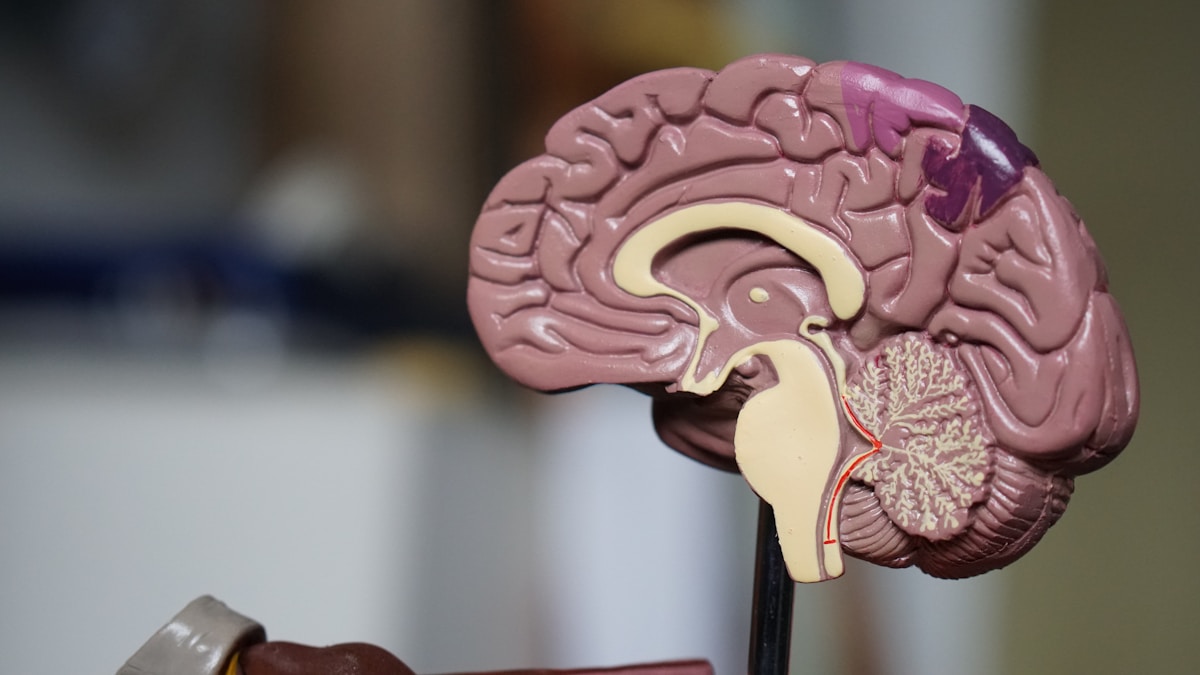
Brain-computer interfaces work by recording neural activity from the motor cortex, decoding the intended movement through signal processing algorithms, and translating those signals into control commands for external devices or, potentially, stimulation of the patient's own muscles. The invasive approach—electrodes placed directly on or in the brain—provides higher signal quality than external EEG-based systems, enabling more precise control.
But invasive also means surgical risk. Implanting electrodes requires opening the skull, positioning arrays on the cortical surface or inserting them into brain tissue, and creating a stable interface that won't degrade or provoke immune responses over months and years. That's why regulatory approval is so significant: it indicates the risk-benefit calculation has cleared a threshold.