China has unveiled ambitious renewable energy targets in its 15th Five-Year Plan, signaling an acceleration of the country's green energy transition that serves dual purposes: addressing climate commitments while cementing Chinese dominance in global renewable energy supply chains.
The plan, released by Chinese officials in Beijing, represents industrial policy disguised as climate policy—a strategic framework that positions China not merely as a participant in the global energy transition but as the indispensable supplier of the technologies that enable it.
In China, as across Asia, long-term strategic thinking guides policy—what appears reactive is often planned. The green energy push builds on decades of state-directed investment that has given Chinese companies commanding positions in solar panel manufacturing, battery production, electric vehicle supply chains, and wind turbine components. The 15th Five-Year Plan extends this advantage through coordinated policy across manufacturing, infrastructure, and export promotion.
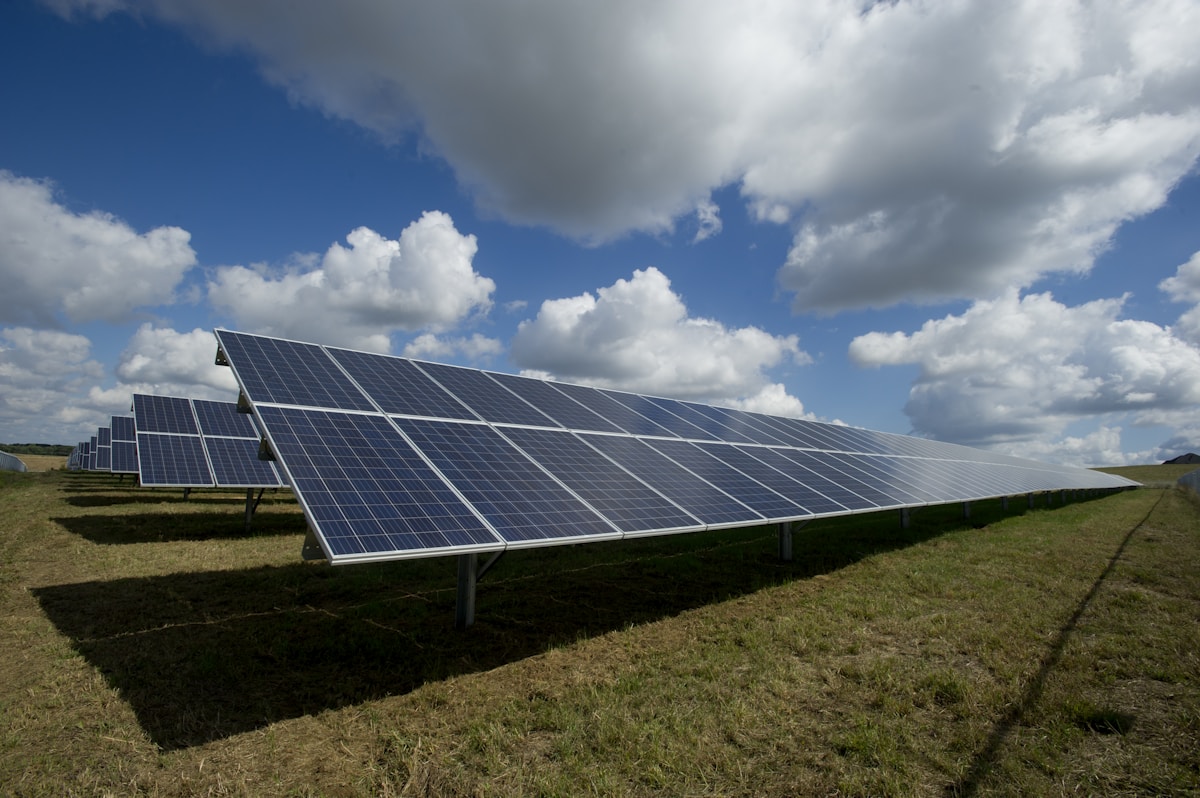
Chinese renewable energy capacity has grown at a pace unmatched globally, driven by state-backed financing, streamlined permitting processes, and integrated planning that connects generation capacity with transmission infrastructure and industrial demand. The country now produces over 80% of the world's solar panels and controls critical stages of battery supply chains from lithium processing to cell manufacturing.
The new plan's targets encompass not just installed capacity but also grid integration, energy storage deployment, and hydrogen infrastructure development. This comprehensive approach reflects lessons from earlier renewable energy buildouts, where generation capacity sometimes outpaced transmission and storage capabilities, creating inefficiencies and curtailment issues.
For Chinese officials, the green energy transition serves multiple strategic objectives beyond climate mitigation. It reduces dependence on imported fossil fuels, particularly oil and gas that must transit vulnerable sea lanes. It provides high-value export opportunities that generate foreign exchange and technological prestige. And it aligns with domestic priorities around air quality improvement in major cities.