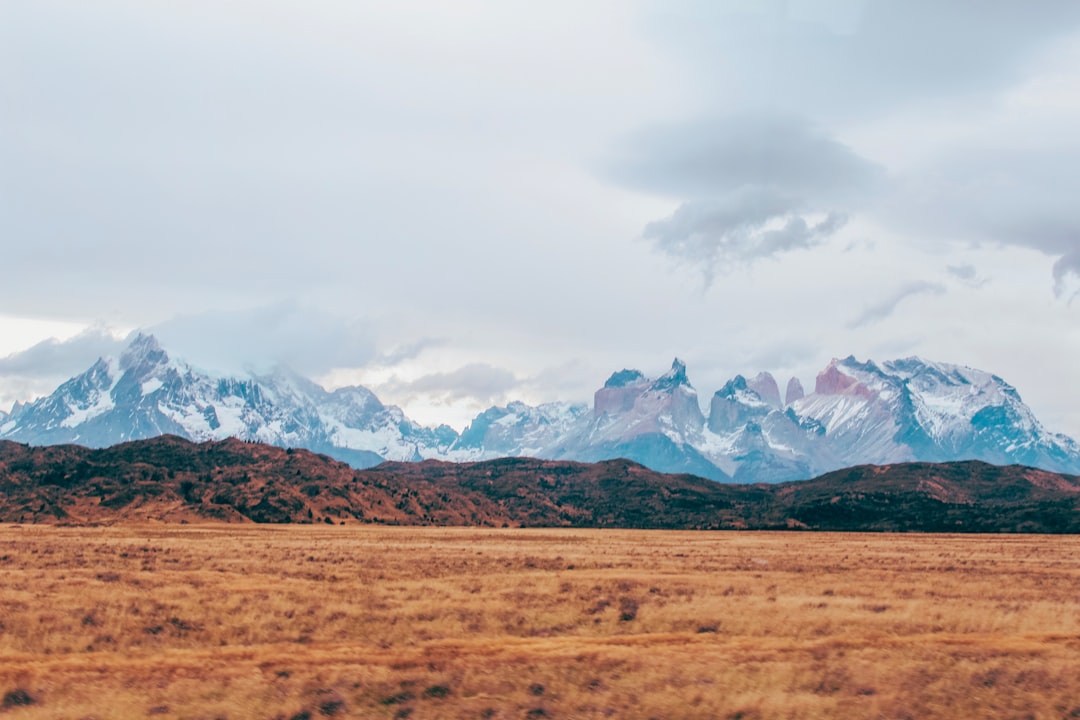
Torres del Paine National Park in Chilean Patagonia is proving why it remains one of the world's most spectacular multi-day hikes, as recent trip reports reignite interest in the iconic W Trek.
The 4-day, 71-kilometer trek showcases some of South America's most breathtaking landscapes, from the turquoise waters of Lago Pehoé to the dramatic granite towers of Mirador Base Torres and the massive Grey Glacier. Experienced hikers who completed the trek in February 2026 report pristine trail conditions and well-managed crowds during peak season.
An Alternative to Overtouristed European Trails
While popular European hiking routes struggle with overtourism, Torres del Paine offers equally spectacular scenery with better crowd management. The park's booking system and designated campsites help preserve the wilderness experience that's becoming increasingly rare on classic Alpine routes.
February through March represents peak hiking season in Patagonia, offering the most stable weather conditions. The trail covers multiple ecosystems and landmarks including Mirador Británico, Valle Francés, and Lago Nordenskjöld, with each day presenting distinctly different terrain and vistas.
What Hikers Need to Know
The W Trek requires advance planning and reservations, particularly during the summer months of December through March. Trail infrastructure includes refugios (mountain huts) and designated camping areas, though spaces book out months ahead for peak season.
Physical fitness is essential. While the trail doesn't require technical climbing skills, hikers should be prepared for long days carrying full packs across varied terrain, including steep ascents and potentially challenging weather conditions. Patagonia's legendary winds can arrive without warning, even during summer months.
Access to the park typically routes through , a small city about 112 kilometers south of the park entrance. Most hikers fly into and take a bus or transfer to , where they can arrange final permits and gear rentals.