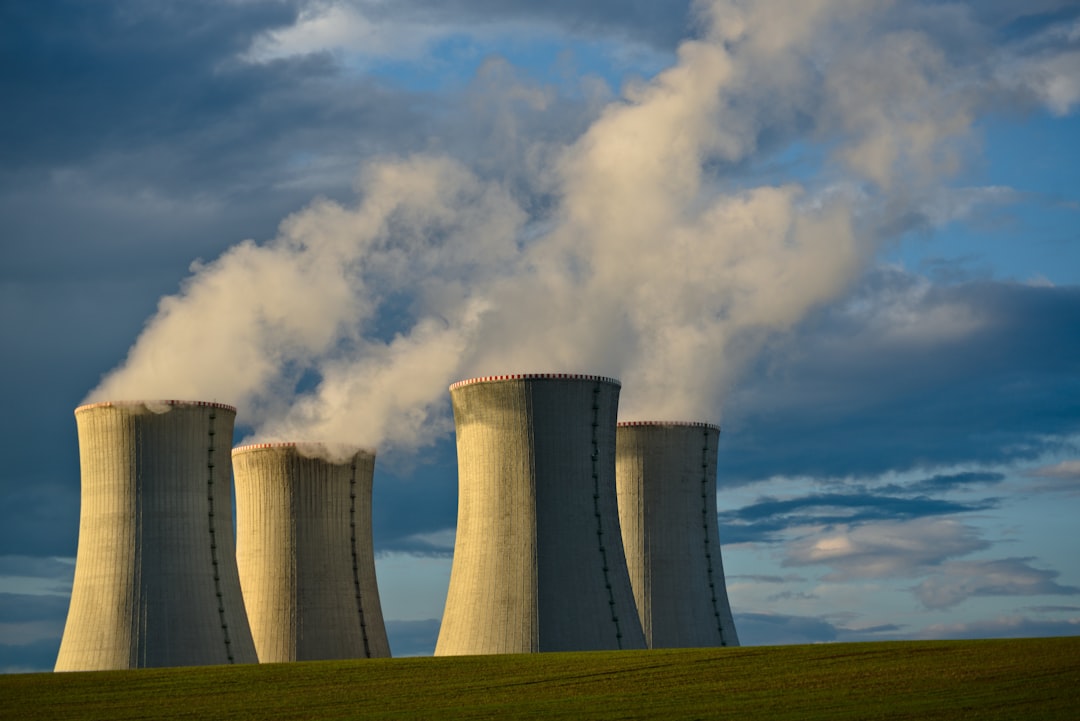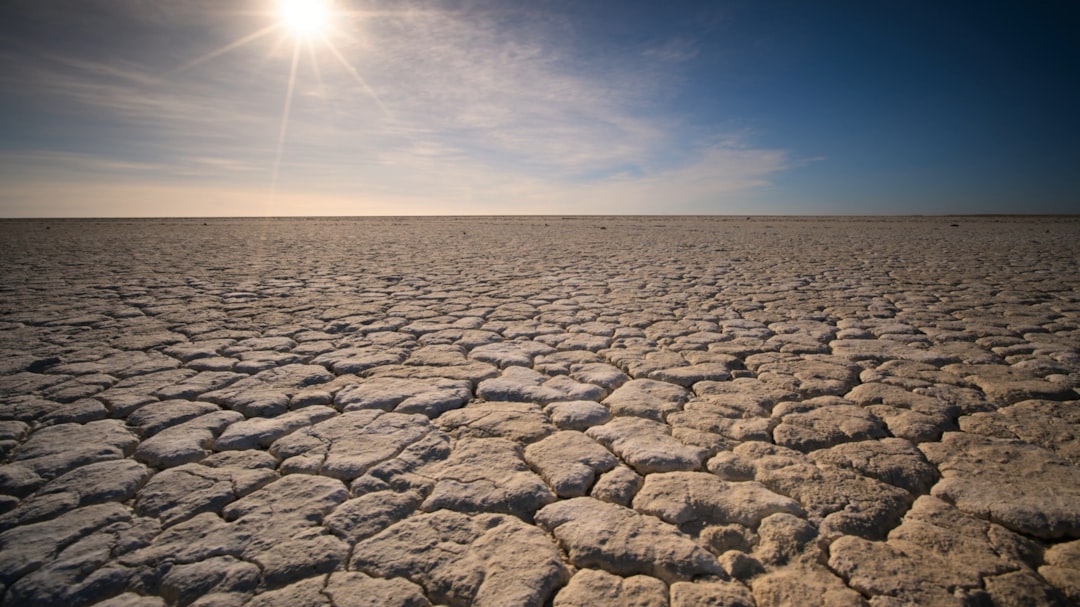
"What you see here is a wetland without water," a Chilean resident told The Guardian, standing in what used to be an ecosystem and is now cracked earth. The culprit? Data centers guzzling water to cool servers running AI models and cloud services.
Chile is in the middle of a mega-drought that's lasted over a decade. And tech companies decided this was the perfect place to build water-intensive infrastructure.
Let that sink in for a moment.
The region's data centers are consuming millions of liters of water daily for cooling systems—water that isn't going to agriculture, communities, or the wetland ecosystems that have existed for millennia. The result is environmental collapse in real time.
Tech companies love Chile for data centers. The country has cheap renewable energy, stable infrastructure, and used to have abundant water. That last part is the problem. The water was never going to stay abundant when you add massive industrial consumption to an already stressed system.
This isn't a new story. It's the same pattern we've seen with mining, agriculture, and now tech: extract resources from developing regions, promise economic benefits, leave when the wells run dry—literally.
What makes this particularly galling is that these data centers are often serving users thousands of miles away. Silicon Valley gets its AI models trained and cloud services hosted. Chile gets dead wetlands.
The economic argument for data centers—jobs, tax revenue, infrastructure investment—falls apart when the externalities destroy the region's ecological baseline. You can't eat GDP growth. You can't drink tax revenue. And when the wetlands are gone, they're gone.
Here's the tech industry's favorite dodge: "We use renewable energy!" Cool. That doesn't address water consumption. Solar panels don't refill aquifers.
What Chile needs: Regulations that account for the true environmental cost of data centers in drought-prone regions. Requirements for closed-loop cooling systems that don't pull from municipal water supplies. And probably a ban on new water-intensive facilities until the drought crisis is resolved.