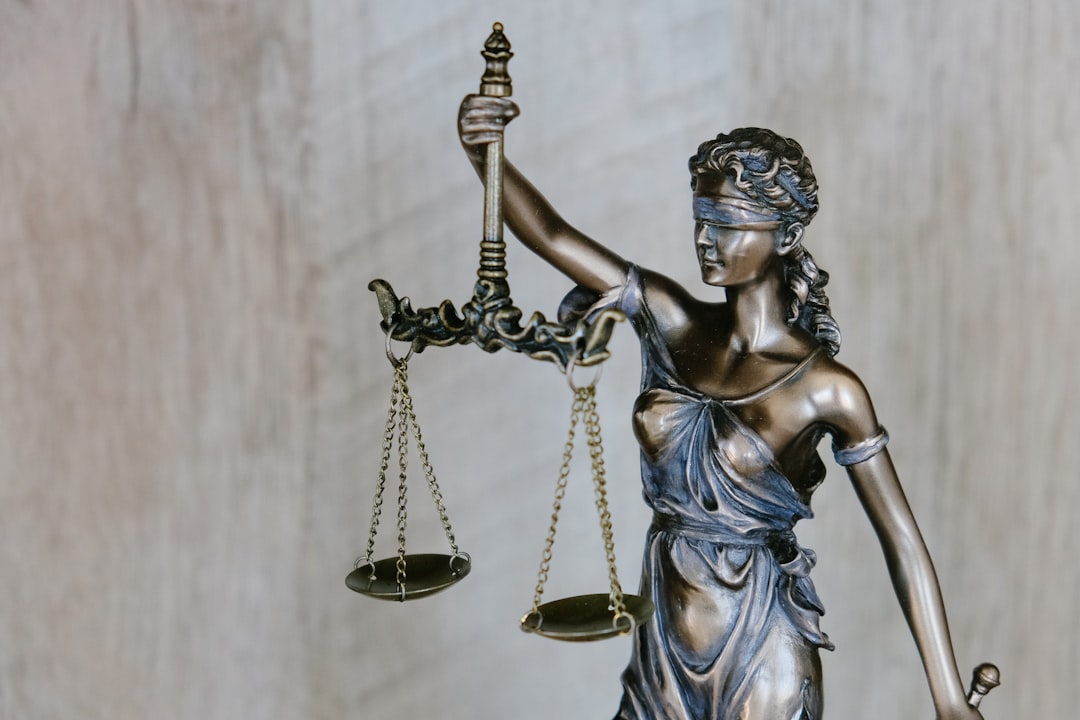
Judges across the country are dealing with a new nightmare: people armed with ChatGPT and zero legal training flooding courts with AI-generated lawsuits that sound professional but are legally nonsense.
Welcome to the democratization of litigation. Except instead of empowering access to justice, it's creating a procedural disaster.
The problem isn't that AI can help draft legal documents—that's potentially valuable for people who can't afford lawyers. The problem is that AI doesn't understand the law. It understands patterns in legal text. There's a massive difference.
What's happening: Someone feeds their grievance into an AI chatbot. The AI spits out something that looks like a complaint, complete with "Plaintiff alleges" and "Wherefore, premises considered" legalese. The person files it. The court has to process it. And then everyone discovers it cites cases that don't exist, misapplies basic legal principles, or demands remedies that make no sense.
This isn't theoretical. Court clerks are reporting a surge in pro se filings that have the structure of legal documents but the substance of Mad Libs. And unlike frivolous lawsuits filed by actual lawyers—who can be sanctioned—AI users often don't understand enough to know their filing is gibberish.
The cruel irony? AI is creating more barriers to justice, not fewer. When courts are buried in junk filings, legitimate pro se cases get lost in the noise. Processing times increase. Judges get frustrated. And the people who actually need help accessing the legal system suffer.
Here's what AI companies won't tell you: their models are trained on legal documents, but they don't understand law. They're very good at producing text that sounds lawyerly. That's not the same as producing text that's legally correct.
The technology is impressive. It can generate a 20-page complaint in minutes. The question is whether that complaint is worth the paper it's printed on—or whether it's just adding to the administrative burden crushing an already overwhelmed court system.
Some courts are considering new rules specifically for AI-assisted filings. Others are pushing for legislation. But enforcement is tricky when the filer genuinely believes the AI gave them good advice.