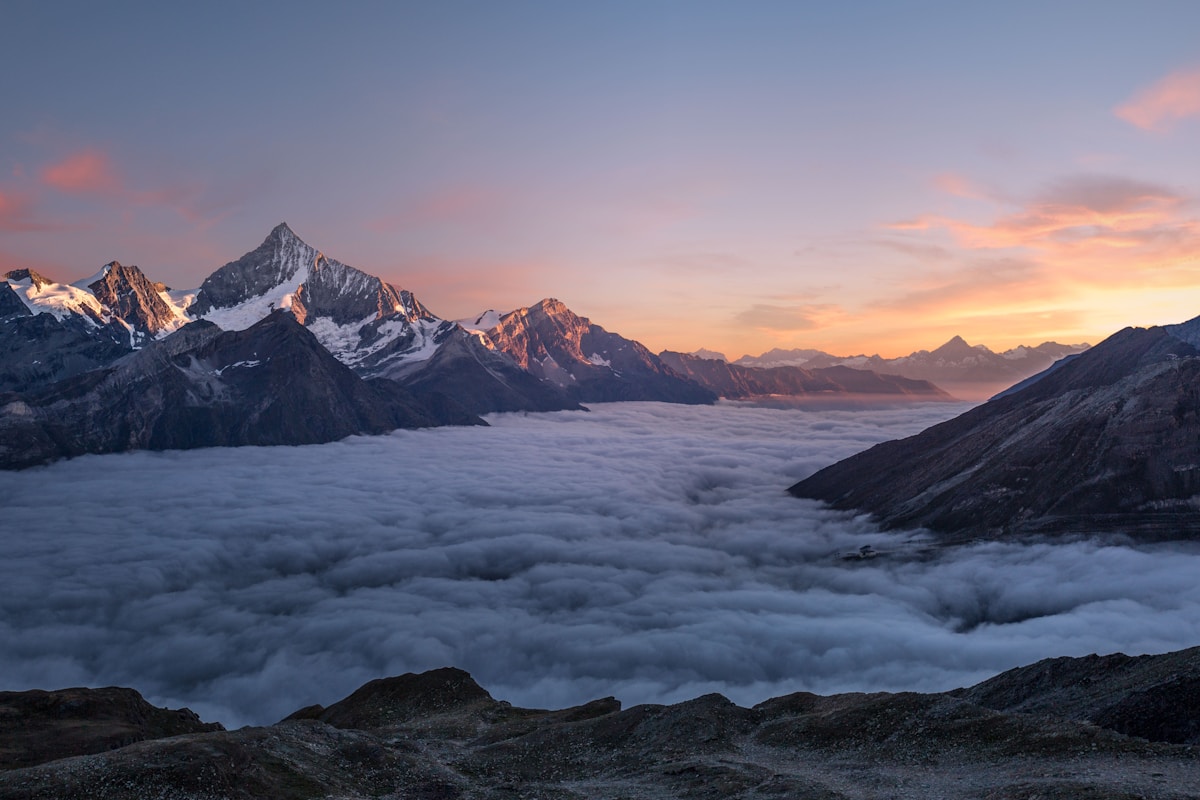
Just 90 minutes from Santiago—a city of 7 million—lies Cajón del Maipo, a mountain region where traditional arrieros (horsemen) still work the backcountry and, increasingly, share their world with travelers seeking authentic experiences.
But in an era where "authentic" has become a marketing buzzword and "hidden gems" trend on Instagram within weeks, one budget traveler asked the community to help distinguish genuine cultural exchange from tourist theater.
The Pitch
"I came across something called Cajón del Maipo," the traveler wrote, describing multi-day horseback trips where visitors actually travel with working horsemen rather than following a guide on a predetermined loop.
From research: "You ride through backcountry they know intimately, camp where they camp, eat simple food cooked over fire, basically experience their daily routine for a few days. No luxury lodges, no wifi, just mountains and horses."
The Proximity Paradox
What makes Cajón del Maipo intriguing is its accessibility-remoteness paradox. "It's 90 minutes from a city of 7 million people but supposedly feels completely remote."
This matters for budget travelers with limited time. Unlike Patagonia's multi-day journeys just to reach trailheads, Cajón del Maipo offers wilderness immersion on a long-weekend timeline.
The Authenticity Question
The traveler's skepticism shows healthy awareness: "I'm skeptical of anything marketed as 'authentic local experience' because that's usually code for tourist theater."
Their questions to the community:
• Has anyone done this or something similar?<br> • What made it feel authentic vs performative?<br> • Red flags I should watch for?
What Makes Horseback Experiences Authentic
Based on experiences from Mongolia, Patagonia, and similar destinations, authentic vs. performative indicators include:
Authentic:<br> • Horsemen actually working, not just guiding<br> • Flexible routes based on weather/conditions, not fixed itineraries<br> • Simple food (what they actually eat, not "traditional" meals for tourists)<br> • Participation in real tasks (moving livestock, camp setup)<br> • Small groups or individual travelers<br> • Limited English (working through a guide/translator)
Performative:<br> • "Traditional costume" that comes off after the ride<br> • Predetermined photo opportunities<br> • Luxury elements (glamping, catered meals) incompatible with working lifestyle<br> • Large groups cycling through daily<br> • Perfectly choreographed "authentic moments"
The Chile Context
Cajón del Maipo's arrieros represent a genuine working tradition. These horsemen navigate Andes backcountry moving livestock, maintaining mountain refuges, and accessing remote areas where vehicles can't reach.
Tourism income supplements (rather than replaces) their traditional livelihood—a key distinction. They're horsemen who take travelers, not tour guides dressed as horsemen.
Riding Level Reality
"I'm comfortable riding (intermediate level) and don't mind camping," the traveler noted.
This is crucial. Authentic experiences require genuine skill. If marketed to complete beginners, it's probably modified for safety/comfort in ways that compromise authenticity.
How to Vet
• Ask about group size: Authentic experiences limit numbers<br> • Inquire about routes: Fixed routes = tour; flexible = working trip<br> • Check who's operating: Are arrieros running it or is it a tour company hiring them?<br> • Read reviews carefully: Look for details about daily routine, not just "amazing!"<br> • Ask about difficulty: If they say "suitable for everyone," it's been sanitized
Budget Considerations
Multi-day horseback experiences in Chile typically run $100-200/day including food, horses, and guide. Significantly cheaper usually means large groups; significantly more expensive suggests luxury additions.
The best travel isn't about the destination—it's about what you learn along the way. In Cajón del Maipo, the lesson is that authentic cultural exchange requires skepticism, research, and willingness to be uncomfortable.